

Fresh cheese quality in Queso Blanco still depends on how hot and how long you pasteurise the milk, and this remains true whether you make queso blanco for a simple queso blanco dip or as part of more elaborate authentic Mexican recipes. Correct pasteurisation is just as important for artisan producers as it is for anyone developing a restaurant style queso dip to serve warm with tortilla chips, tacos or other dishes.
For Australian makers, the goal is safe, consistent fresh cheese that tastes clean and mildly tangy while staying easy to slice, crumble or melt into a creamy cheese dip. Pasteurisation temperature affects how curds form, how much moisture your fresh cheese holds, and how easily it can be used in a queso blanco recipe, queso fresco recipe, or other reader favorites. When you control this step carefully, you can make queso blanco that feels equally delicious whether crumbled cold, used as a white cheese dip or gently heated as homemade queso blanco for taco Tuesdays.
Why Does Pasteurisation Temperature Matter for Queso Blanco Quality?
Pasteurisation temperature matters because it shapes the way milk proteins set into curds, which controls texture, moisture and melt when you make queso blanco or other fresh cheese. If the milk is not heated enough, the cheese may feel loose and fragile; if heated too high, the result can be a rubbery white cheese that does not give the desired creamy dip when melted.
For cooks or cheese makers who want a smooth queso blanco dip or white cheese dip that will melt gently over low heat, correct pasteurisation gives a balanced curd that holds together but still softens easily. The same principles apply whether you use whole milk, goat milk or a mix for a different flavor, and whether your final plan is to crumble queso fresco over tacos or turn it into a Tex Mex style queso that you serve immediately.
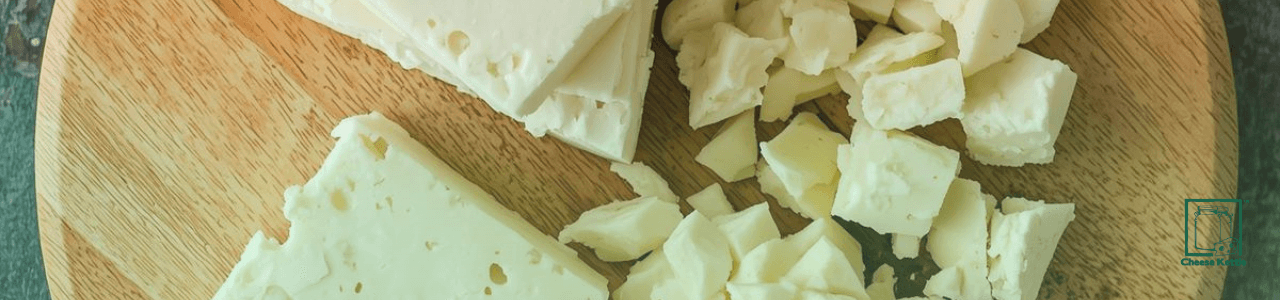
How Do Standards and Practical Cooking Temperatures Work Together?
In a professional setting, milk is heated to a defined minimum temperature for a set time, then cooled quickly, which keeps queso blanco and other Mexican cheese styles safe while still versatile for cooking. At home, when people follow an easy recipe to make queso blanco or queso fresco, they often heat milk to a gentle medium heat or slightly higher, watching closely so it does not boil or scorch.
The key is to warm the milk evenly and stir, using a good whisk or spoon, so the heat reaches the same level throughout and the curds form evenly when acid is added. Whether you are aiming for a block of fresh cheese that you will slice, a softer cheese dip to serve warm, or a batch of cottage cheese style curds for other recipes, the same time and temperature discipline helps you get repeatable results.
How Does Pasteurisation Temperature Shape Texture, Melt and Yield?
Pasteurisation affects how tightly proteins knit together, which changes how soft, crumbly or elastic the final cheese feels and how it behaves in a queso blanco recipe. Moderate heating produces curds that give a clean break, stay moist and crumble neatly, making them perfect when you want to make queso fresco or a simple white cheese for salads and tacos. Higher heat tends to create firmer, more elastic curds that may be better suited to dishes where you want the cheese to hold its shape, but too much heat can make it harder to melt into a smooth dip.
When you want a creamy, scoopable queso that will coat tortilla chips without becoming oily or grainy, pasteurisation and later melting steps need to stay gentle. Using whole milk and avoiding ultra pasteurized cartons, where possible, usually helps create richer body and better melt, especially if you plan to melt the cheese with additional milk, heavy cream, diced tomatoes, diced jalapeños or green chiles.
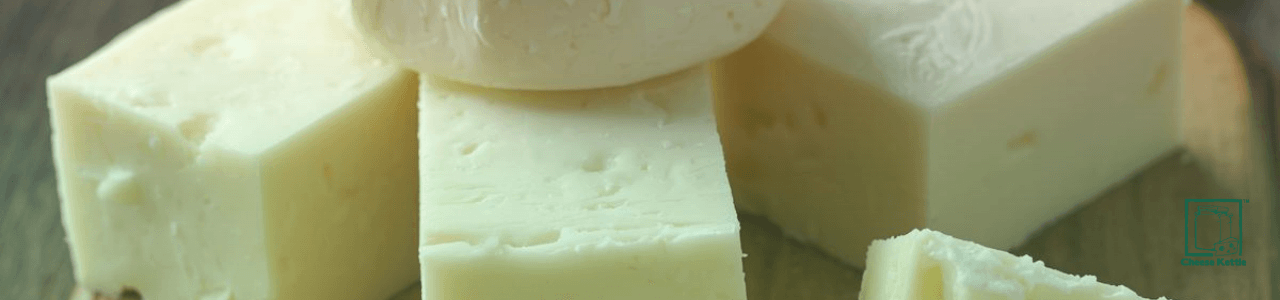
Pasteurisation Temperature and Everyday Queso Uses
| Pasteurisation Approach | Typical Home Practice | Likely Cheese Texture | Best Use In Recipes | Notes For Queso And Dips |
|---|---|---|---|---|
| Gentle, Controlled Heating | Warm milk to just below boiling, then cool slightly before adding lemon juice or acid | Soft, moist curds that crumble and melt with minimal help | Fresh queso blanco, queso fresco, cottage cheese style curds | Good for white cheese dip that will melt smoothly with extra liquid and gentle heat |
| Moderate High Heating | Heat milk closer to boiling while stirring, then add acid | Firmer, more elastic fresh cheese with tighter body | Slicing, grating or cubing for tacos and other dishes | Needs more milk, heavy cream or butter to become creamy queso dip |
| Very High Or Prolonged Heating | Boil milk hard or keep at high heat for a long time | Dense, rubbery curds with lower moisture | Limited use as crumbly topping or for frying | Difficult to melt; even with pre shredded cheese or white American cheese mixed in, texture can remain uneven |
How Does Pasteurisation Connect with Flavour, Safety and Everyday Cooking?
Pasteurisation supports safety by reducing unwanted bacteria in the milk, which is important both for commercial Queso Blanco production and for any homemade queso blanco that will be stored before use. This step also influences the gentle dairy flavor that makes fresh white cheese so flexible for Mexican restaurants and home cooks, because very high heat can dull subtle notes in the milk.
Once the milk has been correctly heated, the way you handle the curds, salt and storage will have a bigger impact on final flavour than the exact pasteurisation number, as long as you stay in the right range. This means you can tune recipes for queso fresco, queso blanco dip or other Tex Mex style dips by switching between lemon juice and other acids, adding green chiles or pepper jack, or blending in monterey jack or American cheese without losing safety.
- Properly pasteurised milk helps the cheese stay safe when stored in an airtight container, ready to be reheated to dip warm with tacos or tortilla chips.
- Good control over temperature and stirring supports that clean dairy taste people expect when they review recipe ideas that promise absolutely delicious, creamy results.
- Balanced salt levels, gentle melt and simple ingredients help you keep nutrition calories in check while still making a great recipe the whole table enjoys.

Which CheeseKettle Tools Support Reliable Pasteurisation for Queso Blanco Makers?
For commercial and serious artisan producers, precise equipment makes it easier to pasteurise milk consistently and then use the same batch for different recipes, from crumbly queso fresco to creamy restaurant style queso blanco dip. CheeseKettle pasteurisers and kettles are built to heat milk evenly, hold it at a stable temperature and support careful cooling, which matters whether you are producing white cheese for the deli counter or supplying local Mexican restaurants.
A smaller operation can use a 50 litre pasteuriser to prepare milk for fresh cheese, then turn part of that batch into a basic queso blanco recipe while pressing the rest into blocks that can be sliced or crumbled. Growing businesses often choose a 100 litre milk pasteuriser with an integrated chiller, or a 200 litre pasteuriser paired with a cheese making kettle vat, to streamline how they heat, cool and hold milk for multiple cheese and queso styles.
- Jacketed kettles and pasteurisers help you stir continuously over low heat so the milk warms uniformly without scorching.
- Reliable controls reduce the risk that milk or cheese will overheat and lose the creamy texture that customers expect from real cheese dips.
- Purpose‑built vats make it easier to handle larger volumes without resorting to improvised slow cooker setups that are better suited to reheating dip than pasteurising milk.

How Can You Optimise Pasteurisation and Melting for Consistent Queso Results?
To optimise pasteurisation for Queso Blanco, first decide what you want your cheese to do: crumble like queso fresco, melt like a smooth queso, or perform both roles in different recipes. Then choose a temperature and time that keeps the milk safe but still lets the curd stay tender enough to melt into a creamy dip when combined with additional milk, heavy cream or other ingredients.
During both pasteurising and later melting, keep the heat gentle and stir with a good whisk or spoon so nothing catches on the bottom and the texture stays smooth. When you turn your fresh cheese into a queso blanco dip, watch the heat just as closely as you did during pasteurisation, adding more milk or a splash of cream as needed to keep a creamy flow that will coat tortilla chips without clumping.
- Cut or crumble the fresh cheese into smaller pieces so it melts more evenly, especially if you are combining it with monterey jack, pepper jack or white American cheese.
- Add salt gradually and taste often, since both cheese and milk already contain salt and you may not need as much as some other recipes suggest.
- Store leftover dip or fresh cheese in an airtight container in the fridge and reheat gently, adding a little more milk if needed to restore the desired consistency.
Contact CheeseKettle today about the 100 Ltr Milk Pasteuriser with Chiller or the Milk Pasteurization Machine with Heat Recovery System to gain precise control over pasteurisation temperature, make queso reliably at scale, and create fresh cheeses and dips that are easy to melt, easy to serve warm and consistently delicious.