

Stirred-curd Cheddar simplifies the way you make cheddar by cutting out the most labour-heavy steps while still delivering a firm, sliceable cheese. Whether you are aiming for mild cheddar for everyday snacking or a more aged cheddar with a sharp taste, choosing the right workflow and equipment shapes the texture, flavour, and consistency of your cheese production. This guide compares stirred-curd and traditional methods in a practical way for small Australian plants.
Both styles start from the same point: high-quality milk, a reliable cheese making process, and clear goals for the type of cheddar cheese you want to produce. From the moment the cheese begins to form as curd through draining whey and pressing, each decision affects moisture, fat content, and final body. Understanding where stirred-curd and traditional Cheddar diverge will help you invest in the right tools and layout for your dairy.
Stirred-Curd Vs Traditional Cheddar: Which Workflow Fits Small-Scale Plants?
Stirred-curd Cheddar keeps the curd in the vat and gently stirred after you drain the whey, so the curd is not stacked as blocks on a table. This shortens the process and reduces handling, which suits many small cheesemakers who want reliable production and a smooth workflow. Traditional Cheddar, by contrast, uses stacked slabs of curd that are turned and later milled, creating the classic crumbly yet firm texture many people associate with vintage Cheddar.
In practice, stirred-curd is designed to give you a consistent, firm cheese with good slice quality for snacking, cooking, or general food service. Traditional methods tend to take more time and attention, but they can produce a more layered body and complex aroma in matured or aged cheddar. Your choice depends on whether you want a mild, mellow profile that is easy to eat young, or a more intense, sharp Cheddar that you are comfortable labelling and marketing as a slow, handcrafted product.
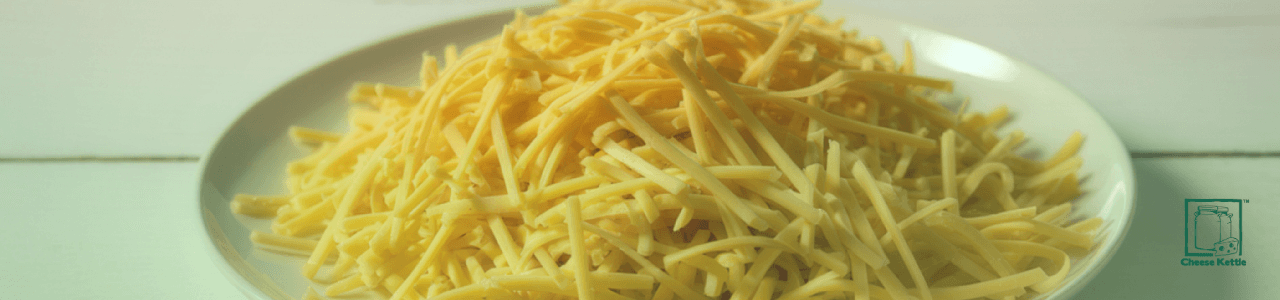
How Does the Cheddar Make Look Before Cheddaring?
Before the paths split, making Cheddar follows the same science: you heat the milk, add starter, then rennet, and wait for the curd to set. The curd is cut into small pieces and slowly heated, which helps whey separate from the curd and controls moisture and protein structure. At this stage, you are building the base that will decide how firm, smooth, or crumbly the final blocks of cheese become.
As the curd is gently stirred and heated, you manage acidity and temperature to shape flavour and body. A steady process supports both mild cheddar and stronger aged cheddar, and it is also similar to what you might do for other cheeses such as Colby or Red Leicester. The same vat, curd knives, and draining tools serve both stirred-curd and traditional methods, so your early investment in equipment works across your wider range.
What Changes with Curd Handling in Stirred-Curd Vs Traditional Cheddar?
In stirred-curd Cheddar, once you drain most of the whey, the curd stays warm in the vat and is kept moving at a gentle pace. This prevents the curd from knitting into a single mass and allows more moisture to leave the body without stacking or walking around heavy slabs. When acidity and texture reach your target, you salt the curd, then hoop and press, often without a separate milling step.
Traditional Cheddar moves the curd to a table after draining, where it is cut into slabs that are stacked and turned several times. These stacked slabs are warm, firm, and elastic, and this traditional handling builds the layered, fibrous body associated with classic Cheddar from England and other parts of the world. After this stage, the slabs are milled into smaller pieces, salted, then hooped and pressed, giving a slightly different mouth feel and chew compared with stirred-curd.
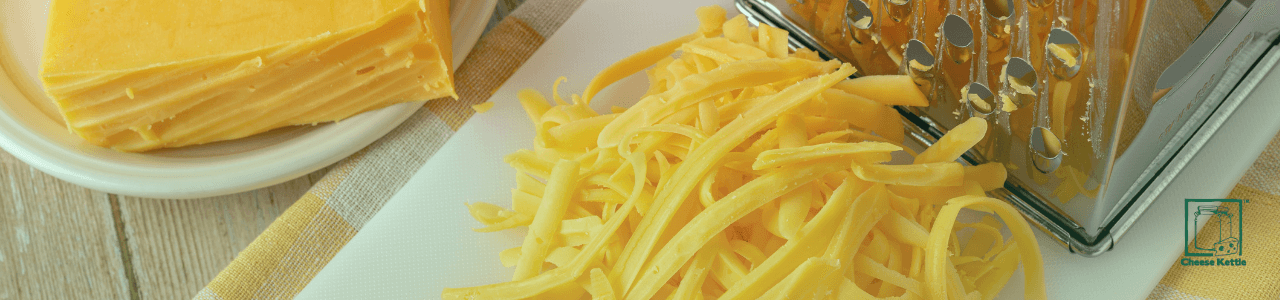
How Do Pressing, Cloth Wrapping, And Aging Compare?
Once curd is salted and hooped, both styles are pressed to create firm blocks with a smooth outer surface. Pressing drives out more whey and helps the body knit so each slice holds together without breaking in the mouth. For mild cheddar, pressing schedules and moisture targets are usually set to keep the texture soft enough for easy eating and cooking, while still holding shape on a cheese board or in sandwiches.
Many traditional brands use cloth wrapping for Cheddar, sometimes with butter or fat on the cloth, before aging. This cloth wrapping allows the cheese to breathe, building a natural rind and deeper aroma as it matures into a more sharp, rich, and sometimes slightly sweet profile with hints of hazelnut or other savoury notes. Whether the cheese was made by stirred-curd or traditional methods, aging time, temperature, and humidity all influence the final flavour, from mellow and mild to strong and vintage.
What Equipment Do Small-Scale Plants Need for Stirred-Curd Cheddar?
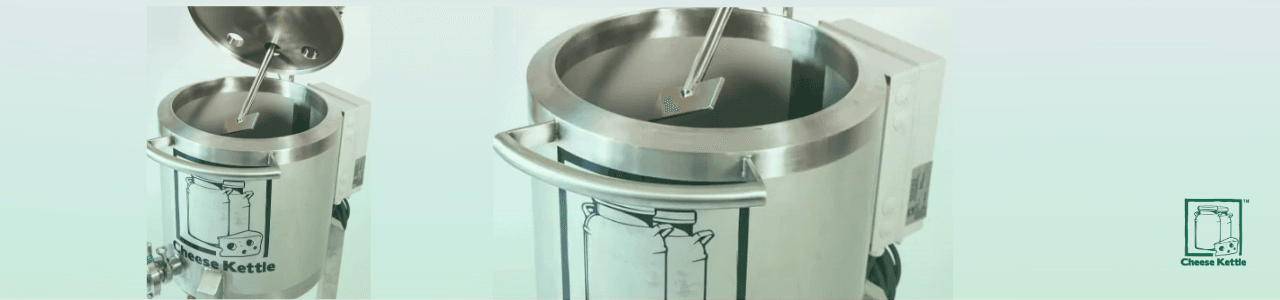
For stirred-curd Cheddar, you need a vat that can heat, hold, and gently stir the curd over a longer period after you drain the whey. CheeseKettle’s 200 Ltr Cheese Making Kettle Vat is designed for this style of production, combining jacketed heating with built-in agitation and precise temperature control. This kind of kettle lets you run a full cheese making process for Cheddar and other cheeses in a compact footprint, which is ideal when space and staff are limited.
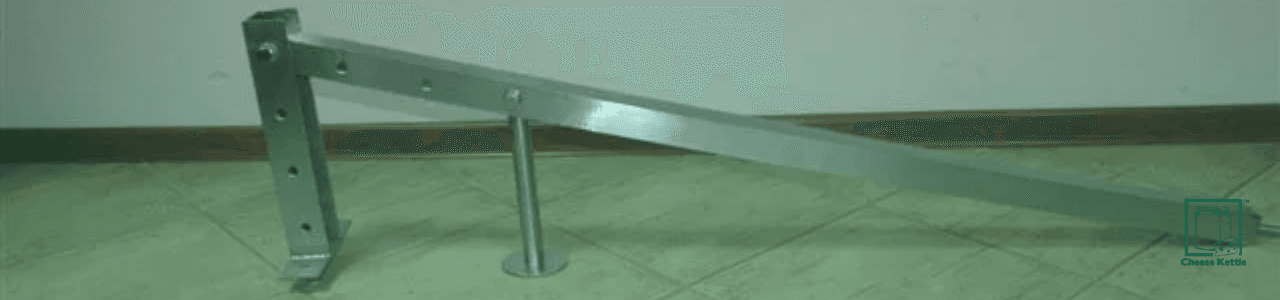
If you do not have access to three-phase power, the 240V Single Phase Cheese Vat offers a similar approach using standard power supply, which is common for regional and farm-based operations in Australia. Pairing your vat with a custom Cheese Harp supports even cutting of the curd, which helps control moisture and ensures a more uniform texture and mouth feel in both mild and aged batches. For many plants, stirred-curd plus the right vat and harp provides a practical path into regular Cheddar production without extra tables or mills.
What Extra Equipment Does Traditional Cheddar Usually Require?
Traditional Cheddar uses everything in the stirred-curd setup plus gear to support slab cheddaring and milling. You will need draining or cheddaring tables where the curd can be cut, stacked, turned, and left to wait between moves. Strong, easy-to-clean tools are needed to handle slabs safely, as they are warm, heavy, and can weigh several kg each, especially in larger batches.
A curd mill is also part of a traditional system, breaking the stacked slabs into small pieces before you add salt and move to pressing. CheeseKettle’s Cheese Making Press (Custom Sizes) and Commercial Mechanical Gravity Cheese Press give you flexible pressing options once your curd is ready for moulds. When combined with brine tanks and milk storage, these presses support a complete traditional Cheddar line that can later be extended to Red Leicester, Colby, or other pressed cheeses with a similar workflow.
How Do Labour, Time, and Consistency Differ for Small Plants?
Stirred-curd Cheddar is usually quicker from set to press because you avoid repeated stacking and milling. This can be a clear benefit when your team is small and you need to manage several tasks at once, from cleaning to packing to looking after other cheeses. The process also lends itself to written procedures that are easier to reproduce across staff, which reduces variability from batch to batch.
Traditional Cheddar takes more time and depends heavily on the judgement of the cheesemaker, including how the curd feels when pressed by hand and how easily it bends or breaks. For some brands, that human touch and link to history are part of the selling point, especially for matured or vintage products. For others, especially where staff turnover or training time is a concern, stirred-curd may offer a more manageable way to produce a staple Cheddar that is reliable and easy to slice, cook with, and eat every day.
How Do Texture, Flavour, and Product Style Compare?
Stirred-curd Cheddar typically gives a firm yet smooth body with a clean, balanced flavour that works well for mild cheddar and everyday snacking. When aged, it can still develop a sharp taste, but the texture often remains a little more open and less fibrous than classic traditional Cheddar. This makes it a versatile cheese for cooking, grating, and use across different cuisines, from simple toasties to more complex dishes.
Traditional Cheddar is often associated with a tighter, more layered structure and a rich, savoury flavour, especially when aged. Over time, this style can develop a noticeable aroma, with a hint of nuttiness that some describe as hazelnut and a more pronounced tang on the edge of the tongue. Both methods can produce mild or strong cheeses, and some makers add annatto to create the familiar orange colour seen in parts of America and other regions, while others keep a natural ivory tone that reflects their local dairy and brand.
Which CheeseKettle Solutions Best Support Your Cheddar Direction?
If you want a streamlined, repeatable way of making Cheddar and other cheeses, focusing on stirred-curd with a CheeseKettle 200 Ltr Cheese Making Kettle Vat or 240V Single Phase Cheese Vat is a practical path. These vats support careful control of the make process and help you balance moisture, fat, and protein in your curd to match your flavour and texture goals. Adding a Cheese Harp and appropriate pasteuriser sizes lets you scale up production in measured steps without overcommitting to infrastructure.
If your vision leans towards a strong story about traditional methods, cloth wrapping, and matured Cheddar with a big personality, then combining your vat setup with the Cheese Making Press (Custom Sizes) and the Commercial Mechanical Gravity Cheese Press gives you room to grow. These presses support a range of block sizes and formats so you can offer mild, aged, and vintage products under different labels and brands. With either path, CheeseKettle helps you align science, process, and equipment so your Cheddar line feels grounded, practical, and ready for the Australian market.
Ready To Match Your Cheddar Workflow to Your Plant’s Capacity and Style? Contact CheeseKettle today about the 200 Ltr Cheese Making Kettle Vat, 240V Single Phase Cheese Vat, and Commercial Mechanical Gravity Cheese Press so we can talk through the best setup for your cheese production.