

Getting halloumi to brown and stay in shape on a grill or pan depends on how you manage curds, whey, and heat at every step of the whole process. When you handle the curds gently, cook them at the right temperatures, and control brine and pressing, you can rely on a firm, semi-hard cheese that holds its melting point.
This applies whether you are making traditional halloumi in small batches of raw milk or scaling halloumi-style production with a larger vat and brining system. As CheeseKettle, we focus on giving you practical cooking tips, clear targets, and equipment choices so you can cook halloumi that grills, fries, and slices consistently across every batch.
What Makes Halloumi’s Melting Point Different From Other Cheese?
Halloumi is a semi-hard Cypriot cheese known for its high melting point, which means it can be fried, grilled, or pan-fried without losing its shape. This is why fried halloumi and grilled slices are so popular in salad, wraps, and hot dishes at Greek restaurants and cafés across Australia.
Unlike many other types of cheese, halloumi cheese is usually made from sheep’s milk, sometimes blended with goat’s and sheep’s milk, and in modern versions, cow’s milk is often added to the milk mixture. The way the curds are cooked in hot whey and then stored as brined cheese keeps the firm texture and prevents it from melting like softer cheeses.
How Does Curd Handling Affect Halloumi Texture and Melting Point?
To achieve the right firm texture, you need to control how you handle curds from cutting to pressing. If you cut into very small cubes and stir too hard, you can lose too much whey, leading to overly dry pressed curds that are tough when cooked.
If you barely cut or stir, the curds rest with too much excess liquid, and the finished Cypriot halloumi may soften and slump when you cook halloumi cheese on a grill pan or non-stick pan. The goal is a balanced curd that holds shape when sliced and stays firm when heated but still gives a pleasant bite when fried or eaten raw in a salad.
Which Temperature Stages Are Most Important for Consistent Halloumi?
The whole process of making cheese for halloumi involves several temperature stages that affect texture and melting point. First is the gentle heating of milk for setting with rennet or vegetarian rennet, then the warm curd cooking, followed by the hotter whey phase and finally cool storage in brine.
Small changes at each stage can change how the cheese behaves when you cook halloumi on medium-high heat in a pan or on a grill pan. When you repeat the same temperature pattern each time, you also repeat the same firm texture and high melting point.
How Should You Heat Milk and Set Curds for Halloumi?
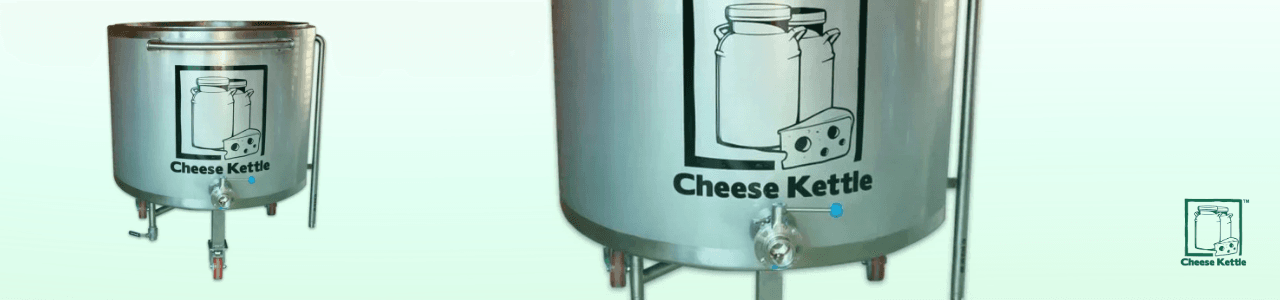
Whether you use raw milk, pasteurised sheep’s milk, cow’s milk, or a blend, milk should be heated slowly and evenly in a vat that lets you stir without creating hot spots. For small to mid-scale producers, CheeseKettle’s 50 Ltr Pasteurizer for Milk and 100 Ltr Milk Pasteuriser with Chiller give you precise control over this first heating step.
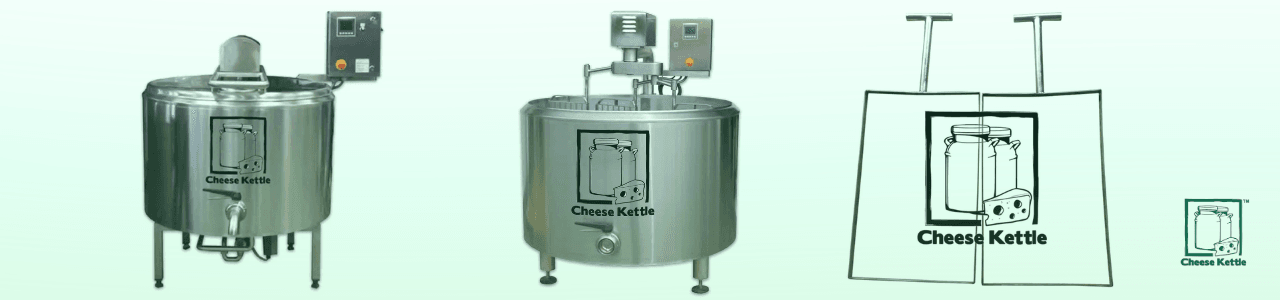
These units allow controlled heating of the milk mixture, gentle stirring, and tight temperature control before adding rennet or vegetarian rennet. For larger production runs, the 200 Ltr Cheese Making Kettle Vat allows uniform heating and managed agitation to avoid uneven setting and irregular curds.

How Should You Cut and Stir Curds to Support a High Melting Point?
Once you have a good set, the next step is to cut the curd into pieces that will drain at the right rate. Using a Cheese Harp custom-made to fit your vat helps you slice the curd into consistent small cubes or slightly larger blocks, which makes moisture loss more predictable.
After cutting, allow the curds rest briefly to firm the edges, then gently stir using a wooden spoon or similar tool. This avoids breaking curds into crumbs and creating a mix of sizes, which can lead to uneven texture and variable melting point when you later cook halloumi cheese or pan-fry slices.
How Do Curd Cooking and Hot Whey Affect Halloumi’s Structure?
The main difference between halloumi and many other cheeses is the second stage where pressed curds are reheated in hot whey. After the first cook and light pressing, you cut the blocks, then carefully place them into hot whey so the outside does not tear.
In this stage, the cooking time in hot whey helps set the firm texture and gives the cheese the high melting point that makes it ideal for fried halloumi, grilling, and pan-fried slices. If you under-cook at this step, the cheese can soften too much in the pan; over-cook and it can become too tough when you serve immediately.
What Role Do Brine, Salt, and pH Play in Halloumi’s Behaviour When Cooked?
After the hot whey phase, halloumi is usually stored in brine as a brined cheese, sometimes with dried mint added for extra flavour in true halloumi or authentic Cypriot halloumi. The brine helps balance salt, moisture, and texture so that slices are pleasantly salty, flexible, and ready to grill yet still hold their shape.
For larger producers, a 500 Ltr Brine Tank from CheeseKettle allows you to standardise brining conditions so every batch gets the same treatment. This is especially useful for halloumi made from blends of sheep, goat, and cow’s milk, where consistent brine contact and temperature protect your target firm texture and melting point.
How Do You Cook Halloumi Cheese for the Best Texture and Flavour?
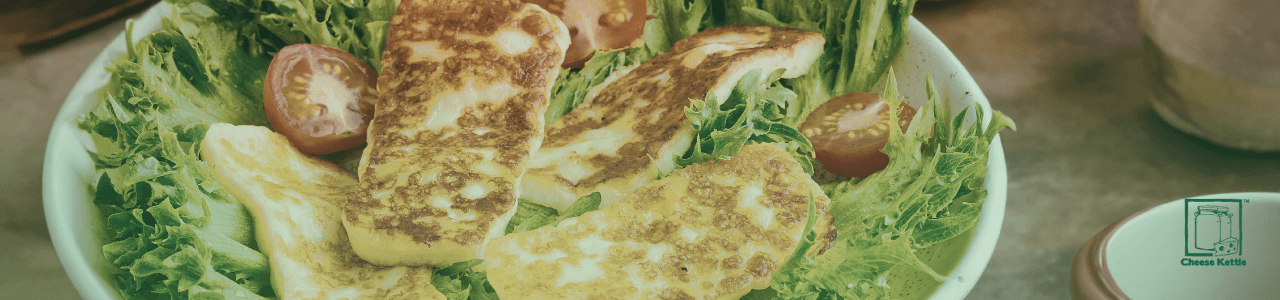
Once the cheese has settled in brine, you can slice it and cook halloumi in many ways: on a grill pan, non-stick pan, barbecue grill, or even baked in dishes. The classic method is to slice into medium-thick slices, pat dry with paper towel, brush or drizzle with olive oil, and cook over medium-high heat.
When done well, you get a crispy surface and soft center without sticking or breaking apart. Using a non-stick pan or a well-seasoned grill pan helps avoid a stick pan problem, and you can serve immediately as fried halloumi on its own, in a salad, or alongside grilled vegetables. This simple recipe shows off the firm texture and salty taste that make halloumi cheese so popular, from home kitchens to Greek restaurants and modern cafés.
How Do Milk Type and Fat Relate to Halloumi’s Health Profile and Structure?
Traditional halloumi and authentic Cypriot halloumi from the island of Cyprus or another Mediterranean island is often made from sheep’s milk or a mix of goat’s and sheep’s milk. Modern versions sometimes include cow’s milk for milder flavour and easier supply. Each milk type has its own balance of saturated fat, monounsaturated fat, and polyunsaturated fat, and this blend shapes both texture and health benefits.
Higher fat content supports a rich taste and helps create a smooth, semi-hard body that browns nicely when you fry or grill the cheese. People often enjoy halloumi as part of varied dishes, from salad to breakfast plates, and treat it more like a flavourful protein element than a simple garnish. While some shoppers may know brands like Trader Joe overseas, local Australian makers can highlight their own milk sources and health benefits to stand out.
What Equipment Helps Australian Producers Scale Halloumi Consistently?
As you move from home-scale making cheese with cheese cloth and a small pot to commercial runs, manual control becomes harder to repeat. CheeseKettle offers equipment that supports consistent curd handling, cooking, and brining, which protects the melting point and texture of your halloumi cheese at scale.
The 50 Ltr Pasteurizer for Milk and 100 Ltr Milk Pasteuriser with Chiller help you standardise heating and cooling for smaller operations, while the 200 Ltr Cheese Making Kettle Vat gives you jacketed heating and agitation for uniform curds in larger volumes. A Cheese Harp ensures even cutting, and the 500 Ltr Brine Tank keeps brine conditions stable for every batch of Cypriot halloumi or haloumi you produce.
Conclusion
To achieve a reliable high melting point with halloumi, you need to control curd handling, temperature, and brine from the first heating of milk through to final storage. Balanced curd cutting, gentle stirring, controlled hot whey cooking, and stable brine conditions all work together to create a semi-hard cheese that can be grilled, pan-fried, or fried without falling apart.
When you slice, pat dry with paper towel, brush with olive oil, and cook halloumi cheese over medium-high heat, you unlock the classic crispy outside and soft center that keeps diners coming back. With the right CheeseKettle equipment behind you, from pasteurisers and kettles to Cheese Harp and brine systems, you can deliver consistent true halloumi style results for every batch you send to your customers.