

Small‑scale Parmesan‑style cooked‑curd production focuses on three main levers: kettle geometry, stirring, and settling. When these work together, you create consistent curd for Parmesan cheese that is ideal for grating, shaving, and adding to pasta dishes and soups. With the right vat and a clear routine, you can reliably make small wheels that deliver the rich flavour people expect from grated parmesan cheese and other hard styles.
For artisan makers in Australia, the challenge is translating traditional methods from northern Italy into smaller, flexible setups. Extra‑hard cheese such as parmigiano reggiano or grana padano needs low moisture, a firm but not dry texture, and a natural rind that protects the wheel during long aging. This article explains how kettle design, stirring patterns, and settling techniques help you produce top quality cooked‑curd cheese that can stand proudly on any cheese board or in everyday dishes like pasta and salads.
What Defines Small‑Scale Parmesan‑Style Cooked‑Curd Production?
Parmesan cheese‑style cooked‑curd cheeses are extra‑hard, long‑aged cheeses where curd is cut small, stirred actively, and heated to a relatively high temperature. On a small scale, this means tight control of cut size, stirring intensity, and a stepped cook that gives a firm curd that still knits into a solid wheel. The result is a cheese that can be grated, shaved, or broken into chunks for snacking, with a rich, savoury taste that lifts many recipes.
These cheeses draw inspiration from traditional parmigiano reggiano, which has its origin in places like Parma, Reggio Emilia, Modena, and Bologna in Italy. Protected by European law and wider European Union rules, the name parmigiano Reggiano can only be used for cheese produced in specific areas with certain methods using milk, animal rennet such as calf rennet, salt, and a minimum aging period. In Australia, you can still make Parmesan‑style and grana‑style cheeses that echo this tradition while meeting local dairy rules and food safety standards.

How Does Kettle Geometry Influence Parmesan‑Style Curd?
Kettle geometry shapes how curd and whey move, how evenly the milk heats, and how gently curds are handled. A wide vat with a gentle base curve helps keep curd grains moving during stirring and reduces dead spots where curds could sit and overcook. For Parmesan cheese, this geometry supports a fine, even texture that later gives a smooth melt when grated or shaved over hot dishes.
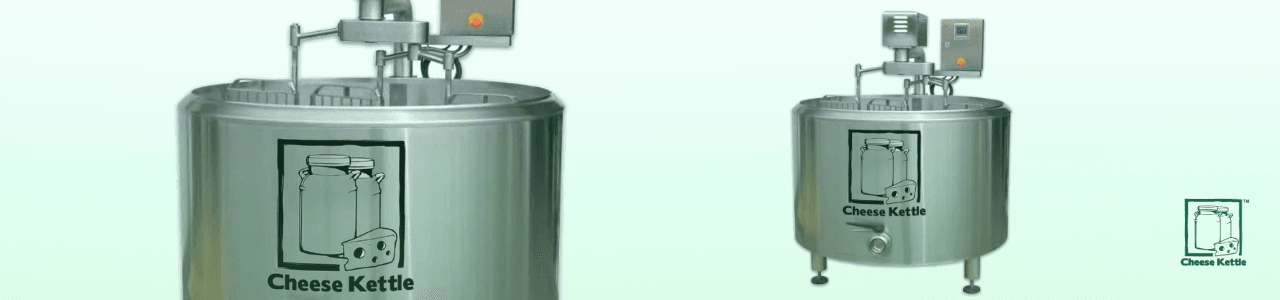
CheeseKettle’s 200 Ltr Cheese Making Kettle Vat and 240V Single Phase Cheese Vat are built from food‑grade stainless steel and use a jacketed heating system for even heat. This supports controlled temperature ramps and avoids hot spots that could scorch milk solids or create a tough rind on individual curds. Both kettles are suitable for small to medium producers who want to produce consistent Parmesan‑style cheese in Australia.
A moderate diameter and depth encourage gentle circulation and easy access for manual tools, while a slightly curved bottom helps curds move smoothly and settle evenly before draining. Jacketed heating around the vat gives better control when raising temperature to cook the curd, leading to a uniform curd bed that matures into a balanced flavour and aroma.
What Stirring Strategies Work Best for Parmesan‑Style Curds?
Stirring controls how quickly curds lose whey, how many fine particles break away, and how well curds stay suspended during cooking. If stirring is too gentle, curds can clump and trap moisture; if too strong, you create many fines and lose valuable dairy solids in the whey. A planned stirring schedule, matched to curd firmness and temperature, is essential for Parmesan cheese.
A simple pattern is to start gently after cutting, then gradually increase stirring as curd firms and the temperature rises. In many Parmesan‑style methods, curds are cooked from the low‑to‑mid 30s up to around 50–52 °C over about half an hour, with frequent or constant stirring. As curd becomes firmer, you can move to stronger stirring to avoid clumping and help form small, resilient grains that later give a clean, even grate and a pleasant, slightly creamy mouthfeel when eaten.
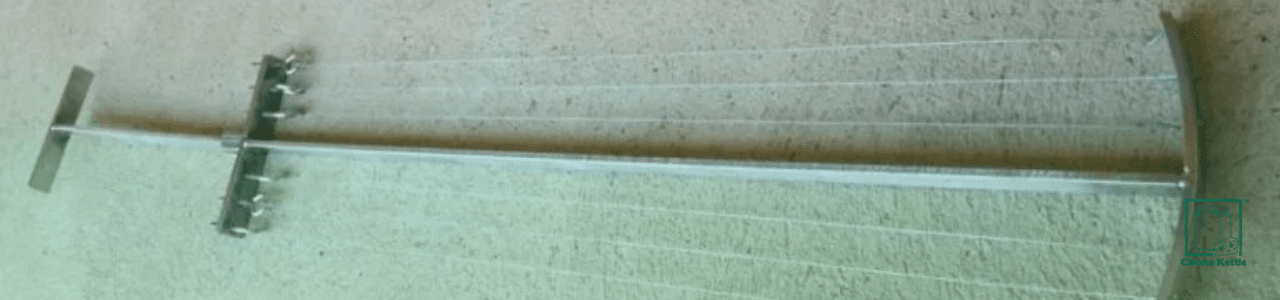
CheeseKettle’s Cheese Harp can be custom‑made to your vat, helping you cut uniform curd pieces before stirring. For specific styles or blends, a Swiss Style Cheese Curd Cutter can give distinct grain dimensions that support mixed production, from parmesan to other cooked‑curd types.
How Should You Manage Settling (Pitching) and Draining?
Settling, or pitching, is when you stop stirring and allow curd to sink to the bottom, forming a soft bed before draining. If you pitch too soon, soft curds clump and trap too much whey; if too late, grains become too dry and may not knit well into a solid wheel. Careful settling and draining help you hit the moisture level that supports long aging and a balanced flavour.
A commonly used approach is to rest the curd briefly after the main cook, then remove some whey, stir again, and finally let it settle before draining to mould. During the short rests, curds consolidate but should not form a compact block in the vat. When done well, you create a curd mass that presses easily, forms a natural rind, and develops complexity over time, similar in spirit to how parmigiano reggiano or grana cheese is matured.
Which CheeseKettle Products Support Reliable Parmesan‑Style Batches?
Reliable Parmesan‑style production benefits from equipment that can manage high‑temperature cooking, active stirring, and hygienic handling from milk to finished wheel. The right tools also make it easier to work within local rules that, like European law, focus on safe cheese produced for public sale. CheeseKettle offers several products that support this type of cooked‑curd process for artisan and small commercial makers.
From milk heating to pressing and brining, you can build a simple line suited to Parmesan cheese and other hard cheeses that pair well with pasta, soups, and salads. The table below outlines key stages and matching CheeseKettle equipment for makers who want to create a local take on the “king of cheeses” style while respecting that genuine cheese parmigiano reggiano remains tied to specific regions of Italy.
Process Stage | Relevant Equipment | Practical Role in Parmesan‑Style Production |
|---|---|---|
Milk treatment | 50 Ltr Pasteurizer for Milk; 100 Ltr Milk Pasteuriser with Chiller | Pasteurise and cool milk to a stable starting point for small and medium batches. |
Medium‑scale runs | Treat larger milk quantities for steady wheel production. | |
Curd cooking | 200 Ltr Cheese Making Kettle Vat; 240V Single Phase Cheese Vat | Provide jacketed heating, controlled stirring, and stable temperatures. |
Curd cutting | Cheese Harp; Swiss Style Cheese Curd Cutter | Cut curd evenly to support controlled whey loss and consistent grain texture. |
Pressing | Cheese Making Press (Custom Sizes); Commercial Mechanical Gravity Cheese Press | Press single or multiple wheels to build a firm rind and tight body. |
Brining and storage | 500 Ltr Brine Tank; 400 Ltr Stainless Steel Milk Tank; Milk Cooling Tank with Chiller and CIP System | Brine hard cheese, hold milk, and manage cooling and cleaning efficiently. |
This combination allows you to produce Parmesan cheese that can be grated, shaved, or eaten as a snack with wine, honey, or a glass of juice or water. Finished wheels can be cut and packed for delivery to local markets and supermarket shelves, where clear labels explain style, origin, and how best to use the cheese in home cooking.

How Does Parmesan‑Style Cheese Fit into Everyday Use and Australian Contexts?
Parmesan cheese‑style cooked‑curd cheese is one of the most flexible foods in the kitchen. Once aged, it can be grated into pasta dishes, soups, and mixed into sauces, or shaved over salads and pasta for a light, savoury finish. Small wedges or chunks make a simple snack, especially when paired with wine, nuts, cured meats, or a little sweet honey on a cheese board.
Although genuine Parmigiano Reggiano is bound to specific regions such as Parma, Reggio Emilia, Modena, and Bologna in northern Italy, and monitored by the European Union, Australian makers can craft local parmesan‑style and grana‑style cheeses that honour these traditions in a practical way. Producers in southern Italy and other parts of the country also create distinctive hard cheeses that show how flexible this style can be beyond the original heartland. With good milk, careful curd handling, and attention to aging, your cheese can develop a rich aroma, a firm but not overly hard body, and a flavour that blends savoury, nutty, and gently creamy notes.
This kind of cheese can hold its own in-home recipes, on a family table, or in the hands of a chef looking for reliable ingredients from the same country. For makers using CheeseKettle equipment, the next step is to refine how you combine kettle geometry, stirring schedules, and settling routines into a repeatable method. Review how your current batches behave, adjust cut size and stirring to suit your chosen vat, and set clear checkpoints for when to pitch and drain. Ready to lift your parmesan production? Contact CheeseKettle to talk about the 200 Ltr Cheese Making Kettle Vat, 240V Single Phase Cheese Vat, and matching tools so you can confidently produce rich, delicious, small‑scale Parmesan‑style cheese that suits Australian kitchens and tastes.