

Integrating whey ricotta into a cheddar and feta line is still about practical heat and flow planning, even when you think about it from a homemade cheese or kitchen perspective. Many of the same ideas that apply when you boil milk, add lemon juice or white vinegar, watch curds form, and scoop them with a slotted spoon through cheesecloth also apply at production scale, just with more stainless steel and more litres of milk. The aim remains simple: use whey left from cheddar and feta to make ricotta and turn it into good food with a clean flavor and soft texture.
At plant scale you are not following a recipe for homemade ricotta cheese, but you are still controlling heat, acidity, and time so milk proteins and whey protein can form ricotta curds. The equipment you choose and how you schedule it needs to feel as straightforward as heating whole milk in a pot at home, stirring so it does not catch, and waiting for a creamy mixture of curd and liquid to separate cleanly. All of this needs to sit comfortably with your brand as a reliable, practical partner for making cheese.
Why Integrate Whey Ricotta into a Cheddar and Feta Line?
Integrating whey ricotta lets you turn leftover whey from cheddar and feta into fresh cheese instead of a waste stream. In a kitchen you might boil a few litres of whey, add a little lemon or vinegar, and call it homemade ricotta; in a dairy this becomes a controlled ricotta making process that fits around your existing cheese production. The result is more cheese and less whey to manage.
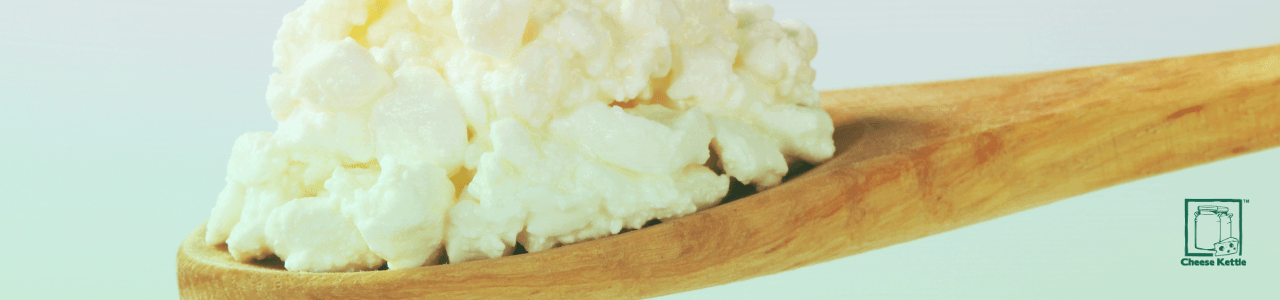
This extra fresh ricotta can be sold quickly or used in other products such as ravioli, lasagna, or filled pasta, helping you move milk solids into higher value uses. Just like serving own ricotta still warm with fresh bread, a drizzle of olive oil, a pinch of salt, or even a touch of powdered sugar, adding ricotta to your range gives you more ways to tell a story about whole milk use and good food. The aim is not to chase “real ricotta” style claims but to deliver a consistent, honest product that suits your customers.
What Are the Core Heat and Acidity Requirements for Whey Ricotta?
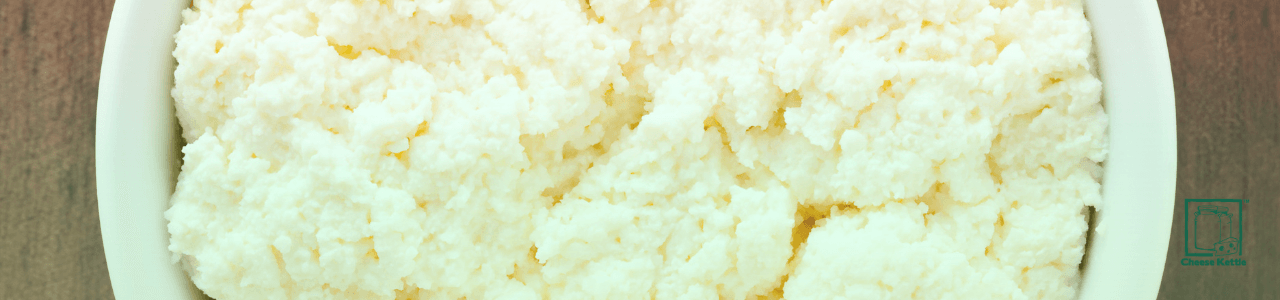
At home, many people make ricotta by heating whole milk or cream milk until very hot, adding lemon juice, white vinegar, or citric acid, then letting warm curds rise to the surface. In the plant, you do the same with whey and sometimes a portion of milk: you raise the temperature of the mixture to a high temperature just below a full boil, hold it, and add controlled acidity so curds can form and separate. You are effectively doing a larger, more repeatable version of the simple heat plus acid method people use for homemade ricotta.
You also need to think about the starting point of the whey you are using. Cheddar whey is often sweeter, more like pasteurized milk in flavour, and may need more added acid, while feta whey can be more tangy, like a milk that has already been partly re cooked by culture activity. Whether you rely on natural acidity or additions like lemon, vinegar, or citric acid, the goal is always to create stable ricotta curds that hold together once scooped and drained. Keeping control of heat and stirring gently so curds stay soft is key.
How Should Whey Flow from Cheddar and Feta into Your Ricotta Step?
In a home ricotta recipe, the flow is simple: you heat, add acid, wait, then ladle curd into a fine mesh strainer lined with cheesecloth. In a cheddar and feta line, the same steps are broken into stages: vats drain whey, whey runs to a balance tank, the tank feeds a heating vessel, and from there ricotta curds are transferred to draining tables or small containers. Each step must be easy for operators to follow, just as straightforward as lifting curds with a slotted spoon.
You can choose to keep cheddar whey and feta whey separate if you want two slightly different styles of fresh ricotta or blend them if that suits your cheese production plan better. What matters is that whey left from the main makes moves quickly while still warm, so you do not need to boil it from cold and waste energy. With clear pipework, sensible valves, and simple controls, your whey to ricotta route should feel like a scaled-up version of pouring a pot of whey into a second pot for recooking.
How Can You Use Existing CheeseKettle Kettles and Pasteurisers for Ricotta?
Most artisan and regional plants are used to boil milk or bring it to set temperature in a vat before adding starter and rennet, so using the same vessels for ricotta is a natural next step. A flexible vat like the CheeseKettle 200 Ltr Cheese Making Kettle Vat can heat milk for cheddar and feta in the morning and then be used to bring whey up to ricotta temperature in the afternoon. This gives you a practical way to handle both milk and whey in one multipurpose unit, without adding complicated new steps.
If you are working in a smaller operation or on single phase power, the 240V Single Phase Cheese Vat offers similar flexibility with a footprint and power draw suited to rural sites and farm dairies. For dedicated heating of smaller whey batches, especially if you want to trial a new ricotta making process, the 50 Ltr Pasteurizer for Milk is a useful tool for test runs and small volume production. Once volumes grow, moving ricotta heating into a 100 Ltr Milk Pasteuriser with Chiller or a 200 Ltr Milk Pasteurizer lets you match your vessel size to your daily whey flow and cool the system back for milk duty when needed.
How Should You Schedule Heat and Tank Utilisation Across the Day?
When planning a day in a plant, it helps to think in the same order as a thoughtful home cook. First you treat milk: cooling from raw milk, storing, then heating pasteurized or ultra pasteurized milk for cheddar and feta in a cheese vat or pasteuriser. Next you make those cheeses, leaving you with whey and curd. Only then do you treat the whey left as second use milk and schedule time to re cooked it into ricotta in the same CheeseKettle vat or pasteuriser you used earlier.
Ricotta can sit in the middle or end of the day, once your main vats are free and can go to high temperature without affecting other batches. You can cluster smaller ricotta runs into one larger run in the 200 Ltr Cheese Making Kettle Vat or in a 200 Ltr Milk Pasteurizer so you are not constantly stopping and starting heat cycles. The goal is to keep the rhythm as simple as cooking at home: heat milk or whey, let curds form, scoop, then clean your pots before the next use.
How Can You Manage Energy and Heat Recovery When Making Ricotta?
Heating large volumes for ricotta is like the difference between warming one litre of milk and heating a full stockpot: the more you move, the more it pays to plan. At home you might accept that boil milk uses a fair bit of gas or electricity, but in a plant you look closely at how much heat is going in and how much you can reuse. This is where matched kettles, pasteurisers, or heat recovery systems from CheeseKettle can help.
Working with warm whey instead of cold liquid is a simple saving, just as making homemade ricotta right after you finish a mozzarella batch at home saves reheating. If you are ready to invest in energy efficiency, the CheeseKettle’s Milk Pasteurization Machine with Heat Recovery System can preheat incoming milk or whey using outgoing hot streams, which reduces overall energy consumption while still giving you the high temperature step needed for ricotta. The more you treat whey heating like every day cooking, avoiding needless cooling and reheating, the easier it is to keep running costs under control.
What Whey Quality and Yield Factors Do You Need to Watch?
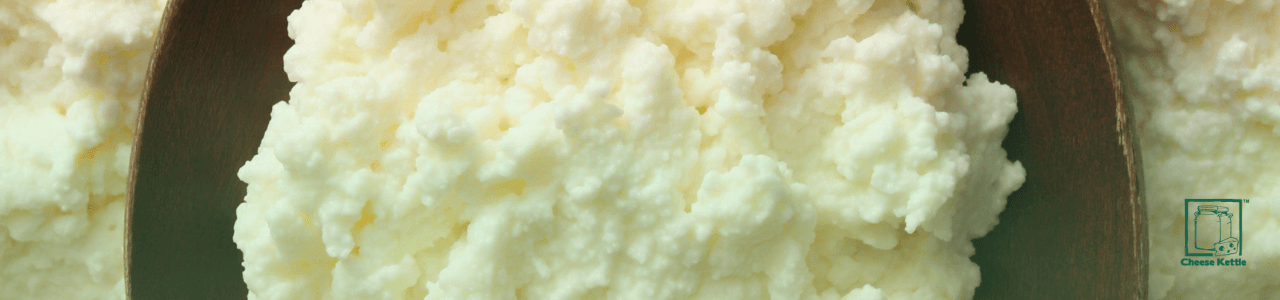
The quality of your ricotta is tied to the quality of your whey, just as homemade ricotta made from fresh, sweet whey or gentle pasteurized milk tastes better than one made from tired, over acidic liquid. Whey from whole milk, cream milk, or even sheep’s milk will all behave slightly differently, just as real ricotta made from different milks at home varies in flavor and texture. Paying attention to how much cream stays with the curd, how much ends up in the whey, and how quickly you process it will help you get more predictable results.
Recording how much drained ricotta you get from each type of whey, and noting when ultra pasteurized or ultra pasteurized milk has been used in the main cheese, helps you build a realistic baseline. Many home makers find that very high heat treated milk can give different curd behaviour, and you may see similar changes at scale. Over time this lets you adjust heat, acidity, and holding time to keep yields steady, much as you might tweak a recipe at home based on how the curds looked last time.
How Can You Balance Milk, Whey, and Storage When Adding Ricotta?
Bringing ricotta into your range means finding space for another fresh cheese alongside cheddar and feta. In the same way that you clear fridge space when you plan to make a big batch of homemade ricotta and keep it for pasta, toast, or desserts with powdered sugar, a plant needs enough chilled storage for trays, tubs, or small containers of fresh ricotta. You also need room for whey tanks and for the milk that still has to become your main cheeses.
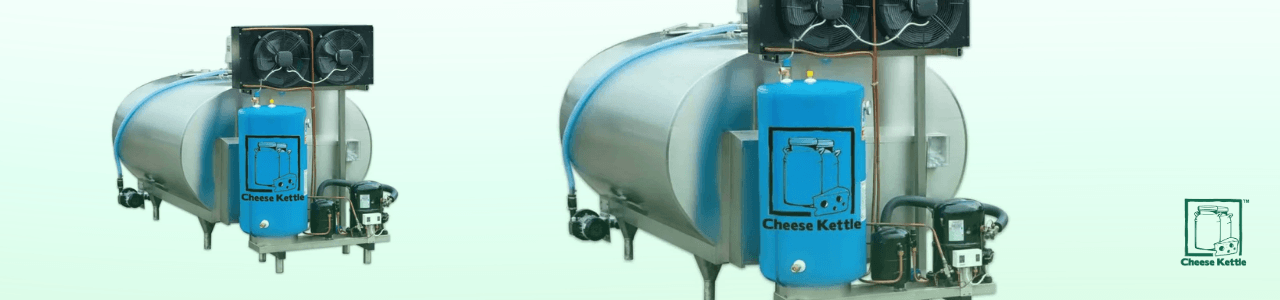
For brining and storage, CheeseKettle’s 500 Ltr Brine Tank gives you a dedicated space for feta and other brined cheeses so ricotta can stay in its own tubs without competing for that volume. The 400 Ltr Stainless Steel Milk Tank can focus on holding milk before pasteurisation and cheesemaking, keeping raw and pasteurized milk organised while whey and ricotta are processed elsewhere. Planning this space up front ensures ricotta feels like part of the line, not an afterthought squeezed between other products.
How Does Cleaning and Hygiene Change When Adding Ricotta?
Adding ricotta introduces a new step where high temperature whey and curd touch your vats, pipework, and draining gear. Just as you would wash a pot, fine mesh strainer, and cheesecloth thoroughly after making homemade cheese, you need clear cleaning routines for kettles, pasteurisers, tanks, hoses, and strainers in the plant. The aim is to avoid burnt on residues, flavour carry over, or any build up that might affect later cheddar or feta.
If you are using a CheeseKettle’s Milk Cooling Tank with Chiller and CIP System, you already have built in support for consistent cleaning and sanitising, which helps when that tank has contact with both milk and whey. For open vats and smaller units like the 50 Ltr Pasteurizer for Milk, pairing simple manual rinses with regular CIP or wash cycles keeps the system under control. Clear checklists reduce the chance that someone forgets a step on a busy day and supports reliable cheese quality.
When Does It Make Sense to Scale Up Your Ricotta Capability?
As demand grows, you may reach a point where ricotta is no longer a small side project and instead becomes a core product. This is similar to realising that your occasional homemade ricotta cheese has turned into a weekly habit where you keep a tub of fresh ricotta ready for toast with olive oil, for pasta, or for desserts, and now you want bigger pots and strainers. In a plant, that may be the moment to look at dedicated kettles, more whey storage, or more draining capacity.
At that stage, you can also consider continuous heating options such as a CheeseKettle Double Pipe Heat Exchanger, especially if you are handling larger whey volumes every day. This helps smooth out your heat load and gives you finer control of the ricotta making process across different batches and seasons. Scaling up with the same calm, practical mindset you apply to your cheddar and feta means ricotta will develop smoothly and sit comfortably within your overall cheese production.
Conclusion
Integrating ricotta into a cheddar and feta line is really about treating whey with the same care you give to milk, whether you are running a plant or making cheese at home. By planning heat, flow, and tank use with the same simplicity you bring to a pot of homemade ricotta, you can turn leftover whey into reliable, delicious fresh cheese without disrupting your main work. The familiar steps, heat, acid, wait, curds form, drain, simply happen in larger vessels.
From here, your next steps are to map where whey appears in your day, choose which CheeseKettle equipment, such as the 200 Ltr Cheese Making Kettle Vat, 240V Single Phase Cheese Vat, 50 Ltr Pasteurizer for Milk, or Milk Pasteurization Machine with Heat Recovery System, will handle the ricotta making process, and check that you have the draining and storage space to hold drained ricotta safely. Once those basics are set, you can focus on refining flavor, texture, and uses, from tubs for fresh bread to ingredients for pasta, lasagna, or ravioli.
Ready to elevate your cheese making in a practical way? Contact CheeseKettle today about the 200 Ltr Cheese Making Kettle Vat and Milk Pasteurization Machine with Heat Recovery System to integrate ricotta smoothly alongside your cheddar and feta production.