

Designing a multi‑use cheese room means creating clear zones so cooked styles, fresh cheeses, and mold‑ripened cheeses like blue cheese can share one facility without compromising safety or flavour. This approach helps you control moisture, temperature, and airflow around different types of cheese, from soft surface ripened wheels to hard cheese with a sharper flavour profile. It also gives cheesemakers room to grow from small, traditionally produced batches to a more consistent, commercial‑ready range.
A well‑planned layout matters because milk, curd, and whey change quickly as the cheesemaking process unfolds, and each stage has its own ideal conditions. Soft cheeses and fresh products made from cow’s milk, goats’ milk, buffalo milk, or sheep milk need careful handling and fast cooling, while aged wheels and mould‑ripened cheeses need stable ripening conditions. When your zoning supports this full production journey, you can store cheese confidently, simplify compliance in Australia, and build a more sustainable lifestyle around your craft.
How Should You Think About Zoning a Multi-Use Cheese Room?
Zoning starts with mapping how milk, curd, and finished cheese move through your space, so cleaner steps always stay separate from later, higher‑risk activities. Fresh styles and surface ripened cheeses have more moisture and softer texture, so they need closer control than many aged and hard cheese types. In one room, you can still separate these areas on the floor plan, using equipment placement and clear visual cues to keep flows in one direction.
Good zoning also means thinking about people, tools, and foods being carried in and out on busy days. Simple decisions, like where staff put on clean aprons or where crackers, herbs, and other serving items are stored, affect how bacteria and moulds move around the room. When the layout makes the “right path” the easiest path, cheesemakers are more likely to follow it, even during peak production.
- Draw your cheesemaking process from raw milk to packed stock on a one‑page diagram.
- Mark where cooked, fresh, and mold‑ripened cheeses are handled, and keep these steps separate.
- Decide which actions (like cutting, salting, or packaging) belong in each zone.

What Core Zones Do Cooked, Fresh, and Mold-Ripened Cheeses Need?
Each family of cheese benefits from its own micro‑environment, even if those areas sit inside a single room. Cooked or pressed curd cheeses such as cheddar, parmesan, and other hard cheese styles are typically matured in slightly drier, cooler spaces, while soft cheese, blue cheese, and other surface ripened varieties prefer higher humidity and stable airflow. Fresh cheese made from cow’s milk and other animals typically needs fast chilling and cold storage, because it is not yet protected by a hardened rind or long ripening.
A practical layout often includes a make area, a fresh handling and packaging area, a brining or pressing section, and one or more ripening and storage zones. This structure supports different types of production, from smooth mozzarella that has been stretched and kneaded, to nutty, aged wheels shaped for long storage. With this arrangement, most cheese travels forward without looping back through earlier, cleaner stages.
| Zone Type | Example Cheeses | Typical Conditions | Main Focus |
|---|---|---|---|
| Make Area | Fresh curd, cheddar, mozzarella | Cool, easy‑clean, controlled heat | Safe milk handling and curd formation |
| Fresh Handling | Fresh cheese, soft slices | Chilled, high humidity | Rapid cooling and low contamination |
| Brining/Pressing | Feta, halloumi, hard wheels | Good drainage, salt‑resistant | Brine strength, texture, shape |
| Ripening/Storage | Blue, parmesan, aged cheddar | Stable temperature and moisture | Even ripening and mould control |
How Do You Protect Food Safety When Combining These Cheese Types?
Food safety in a multi‑use room focuses on breaking the paths that allow bacteria and unwanted moulds to move between products. Mold‑ripened cheeses like blue can release spores that drift through the air or hitch a ride on cloths, tools, and clothing, so you want clear boundaries between these areas and spaces used for fresh and cooked styles. Fresh cheese and soft products with high moisture are especially vulnerable, so they need the most careful separation and cleaning.
This does not mean avoiding blue cheese or other surface ripened varieties; it means keeping their cultures where they belong. That way a carefully matured blue can develop its sharp flavour and creamy texture without taking over a mild, smooth mozzarella or a young cheddar. When work practices and room design line up, you can safely produce a wide range of cheeses from cow, goats, buffalo, and sheep in one space.
- Keep knives, boards, and cloths for blue and other mold‑ripened cheeses separate from tools used on fresh and hard cheeses.
- Plan production so fresh batches and vegetarian rennet cheeses are completed and packed before mold‑ripened wheels are cut or wrapped.
- Clean walls, racks, and fans regularly, not just work benches and vats.

How Should Airflow, Temperature, and Humidity Be Managed Across Zones?
Airflow matters because even a gentle fan can carry spores, salt droplets, and moisture from one zone to another. In ripening spaces, cheesemakers usually aim for slow, steady air movement that helps manage surface moisture without drying cheeses out or disturbing the rind. Surface ripened and blue cheeses need enough ventilation to avoid condensation but not so much that their rinds crack or their cultures dry out.
Temperature and humidity should suit the style: fresh and soft cheese needs colder, more tightly controlled storage than many aged wheels. Hard cheese and parmesan style cheeses often mature well at slightly lower humidity, which supports a firmer texture and more nutty flavour. Local controls, simple partitions, and thoughtful fan placement can create these pockets without requiring a separate building for each cheese type.
- Avoid pointing fans from mold‑ripened racks toward fresh cheese or cooked styles.
- Check conditions at cheese height in different parts of the room, as readings can vary.
- Use small barriers or curtains between ripening and fresh zones to guide air in the right direction.
How Can CheeseKettle Equipment Support Flexible Zoning in One Room?
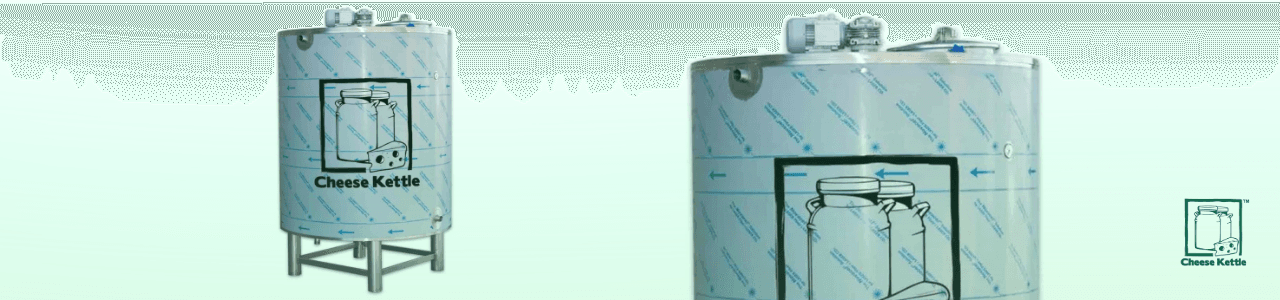
Equipment that is reliable, easy to clean, and suited to different types of production makes a modest room feel much larger. The 200 Ltr Cheese Making Kettle Vat gives you precise control of heat, cultures, and stirring, supporting everything from pulled and stretched mozzarella to smooth, pressed blocks of cheddar or other aged styles. For sites that rely on standard power, the 240V Single Phase Cheese Vat delivers similar control, which is particularly helpful in regional parts of Australia where three‑phase upgrades are costly.
Further along the cheesemaking process, a 500 Ltr Brine Tank lets you manage salt levels and temperature in a dedicated zone, which is vital for shaping flavour and texture in cheeses like feta and hard blocks. A 400 Ltr Stainless Steel Milk Tank or a Milk Cooling Tank with Chiller and CIP System can sit near the make area to hold milk safely before cultures and rennet are added, or to guard quality when production is paused. These tools support consistent production whether you make a few kilograms per day or are building toward larger daily volumes.
How Do You Lay Out Workflows to Minimise Cross-Contamination?
A good workflow moves milk and curd in one direction, starting at reception and finishing at packaging, without unnecessary crossing of paths. Staff, equipment, and even small items like herbs, crackers, and grapes for tasting should follow the same flow where possible. One‑way movement makes it easier to keep high‑risk tasks, like brushing blue cheese rinds, away from open fresh cheese.
Many problems arise not from unusual faults but from small habits, like taking a trolley from the ripening area back into the fresh packaging zone. Marked walkways, clear storage spots, and assigned tools for each section help prevent these everyday slips. Over time, this level of discipline protects the flavour, texture, and nutrients of your cheeses and reduces waste.
- Place handwashing and boot‑cleaning points before fresh and ripening areas.
- Keep packaging supplies and serving items out of the make area to avoid clutter and confusion.
- Colour‑code racks and tools so blue cheese equipment is never used on fresh or hard cheeses.
What Climate Targets Work for Cooked, Fresh, and Mold-Ripened Cheeses?
While every cheesemaker develops their own preferences, there are some common patterns. Fresh cheeses and soft products are usually cooled quickly and held at low temperatures, with enough humidity to prevent drying but not so much that moisture pools on the surface. Hard cheese and long‑matured wheels made from cow’s milk often spend months at slightly warmer and drier conditions, where flavours can develop gradually and fats and proteins settle into a firm, sliceable texture.
Surface ripened and blue cheeses sit somewhere between, needing warmer and more humid spaces to support active ripening. These conditions allow cultures and bacteria to break down fats and proteins at the rind, creating smooth paste inside with complex flavour, from nutty to sharp. Keeping these targets steady matters more than chasing a perfect number on the thermostat.

How Can You Future-Proof a Multi-Use Cheese Room Design?
A future‑ready cheese room accepts that your mix of products will change as customers discover new favourites. You might start focused on fresh cow’s milk cheeses, then add vegetarian recipes, buffalo mozzarella, or a matured cheddar once your stock turns quickly. Planning space for extra racks, a second vat, or another brine tank makes it easier to respond without major building work.
Energy‑efficient equipment like a Milk Pasteurization Machine with Heat Recovery System helps keep operating costs predictable as production grows. Designing your room around flexible zones, adjustable temperature and moisture controls, and movable shelves gives you freedom to expand into different markets, whether that is sharper cheeses to match wine and crackers, or smooth, mild blocks for everyday meals. Over time, this approach supports a stable, sustainable business that makes cheese a staple part of your region’s food culture.
Ready To Elevate Your Cheese Room Design? Contact CheeseKettle today about the 200 Ltr Cheese Making Kettle Vat, 240V Single Phase Cheese Vat, and 500 Ltr Brine Tank to build a flexible, food‑safe multi‑use space that supports your cheesemaking for years to come.