

Jarlsberg is a semi soft, Swiss style cheese made from pasteurised cow’s milk, known for its mild, creamy body, nutty taste, and round holes that develop naturally during aging. When you run cooked curd cycles correctly in a 200 Ltr Cheese Vat, you get that distinctive sweet flavour and elastic texture associated with Jarlsberg original cheese and other classic Norwegian cheese styles. This updated guide keeps the same practical structure as before while also weaving in common search terms that Australian makers and buyers use when looking up Jarlsberg cheese, production advice, and product detail online.
Jarlsberg as a Cooked, Washed-Curd Swiss Style Cheese
Jarlsberg sits in the same family as Swiss style cheese like Emmental, but it is a distinct Norwegian cheese often described as mild, creamy, and gently nutty. The paste is elastic rather than crumbly, and the cheese is known worldwide for its large, characteristic holes that are evenly spread throughout the wheel. This combination of a distinctive sweet and nutty taste with a smooth mouthfeel makes it a versatile cheese for sandwiches, cooking, and cheese boards.
Technologically, Jarlsberg is a cooked, washed-curd cheese based on pasteurised cow’s milk, where you cut the curd small, heat it, and replace some whey with warm water. This process reduces lactose and sugars, manages acidity, and helps build the elastic body needed for those round holes that naturally occur later in aging. A mix of starter bacterial culture and specific gas-forming bacteria plus enzyme activity do the rest over time, turning a fairly simple curd into a cheese that has been famous for generations.
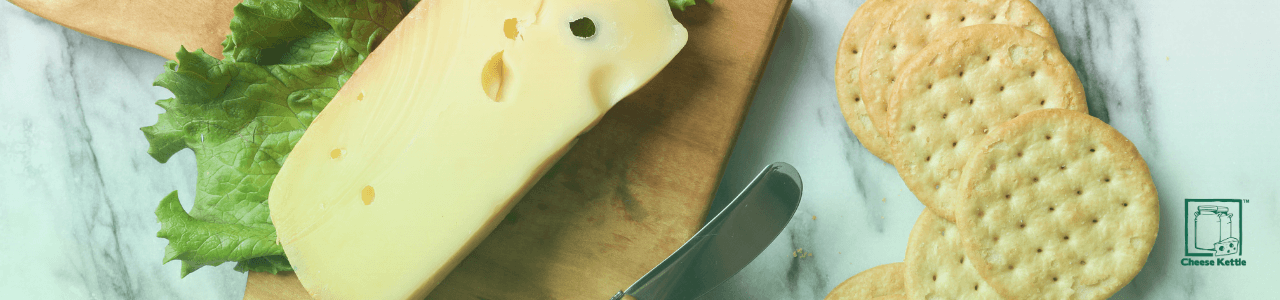
Milk Preparation and Culture Addition in a 200 L Vat
Good Jarlsberg starts with clean, high-quality milk from a clear cow origin, whether that is your own farm or a trusted local supplier. In a CheeseKettle 200 Ltr Cheese Making Kettle Vat, you can gently pre-heat the Swiss style milk to a stable target, using the jacketed heating and precise controls to avoid hot spots while you add your starter and propionic bacterial culture. For sites without three-phase power, a 240V Single Phase Cheese Vat gives you similar control using standard power, which is helpful for smaller or rural operations.
Because Jarlsberg is based on pasteurised cow’s milk, your product list and label can clearly state this origin, which is important for consumers who like to read the label for other information such as gluten free status, allergens, and processing details. After a short ripening period, you add rennet and allow a clean gel to form without excessive stirring, taking advantage of the vat’s gentle agitation options. Getting this phase correct sets you up for consistent dry matter, fat, and protein outcomes later, which makes downstream nutritional information more reliable.
Cutting and First Cook of Jarlsberg Curd
Once the curd is set, you cut it into relatively small cubes that suit this cheese type and help you achieve the right moisture. A CheeseKettle Cheese Harp, custom-built to match your 200 L Vat dimensions, helps you achieve an even cut, while a Swiss Style Cheese Curd Cutter is ideal when you want the specific curd geometry used for Swiss-style cheeses like Jarlsberg. After cutting, you use the vat’s slow-speed agitation to stir gently at the original temperature and let the curd surfaces firm up before you start the cooked curd cycle.
This stage influences how the cheese will slice and melt in later serving situations such as sandwiches, toasties, or gratins. If the cut is uneven or the early cook is rushed, moisture and fat distribution can vary, which can affect not only taste and texture but also how you present precise information like nutritional information per serving size. A steady, calm approach to cutting, supported by the right curd cutting tools, and early stirring gives you a base that is easier to control in a commercial setting.
Core Cooked Curd Cycle for Jarlsberg in a 200 L Vat
The cooked curd cycle is where Jarlsberg moves away from something like Gouda and more into the Swiss style cheese space. With the 200 Ltr Cheese Making Kettle Vat, you gradually raise the temperature in stages using the jacketed heating, often with a partial whey removal and warm water addition, to create a controlled “wash” of the curd. This washing reduces lactose, moderates acid development, and sets up the later growth of gas-forming bacteria that are responsible for the round holes.
In a 200 L Vat, the goal is gentle, even heating so the curd cooks uniformly, giving you a consistent semi soft body that will hold characteristic holes without cracking. This is part of the “secret recipe” style know how that many producers guard carefully, even though the basic curve of temperature and stirring is widely known. If you document your own time and temperature path as part of your making updates, using the vat’s precise controls as a reference, it becomes much easier to troubleshoot batches and provide other information about production if a manufacturer inspection or audit asks for precise information.

Control of Curd Firmness, Moisture, and Acidity During Cooking
During the cooked curd cycle, you are continuously balancing moisture, acidity, and dry matter. The even heating and adjustable agitation in the 200 Ltr Cheese Making Kettle Vat give you a predictable environment while you assess curd firmness by feel and track pH, time, and temperature. The aim is an elastic, squeaky curd that is not brittle, with enough residual lactose to feed your propionic bacteria but not so much that late gas causes defects.
These controls ultimately shape the creamy yet springy body that consumers recognise in Jarlsberg cheese when they are eating it on a cheeseboard or in sandwiches. They also underpin the taste profile that makes Jarlsberg popular for wine pairing, especially with reds such as Pinot Noir, and for simple cooking uses where it must melt smoothly. If you get this stage right, your later nutritional information and product detail will line up closely from batch to batch, which is important when your cheese is sold in more than one country and origin and values can vary slightly.
Stirring and Agitation Set-Up During Cooked Curd Cycles
Agitation in a 200 L Vat should be smooth and controlled, avoiding harsh shear that breaks curd into fines. The built-in agitation system on the 200 Ltr Cheese Making Kettle Vat lets you choose gentle speeds, so every piece of curd experiences similar temperature and movement and moisture and fat levels are even throughout the mass. In practice, this means gentle, continuous stirring during early cooking, adjusting speed as the curd shrinks and firms.
A controlled stir profile supports the correct development of body and prevents clumping, which can lead to over-wet pockets and uneven appearance in the final pack. It also helps you maintain a consistent base for later aging, when bacteria produce gas that forms the round holes that Jarlsberg is known for around the world. If your agitation is set well and your directions for staff are simple and clear, daily production becomes more reliable and easier to train.
Transition From Cooked Curd to Draining, Hooping, and Pressing
After the cooked curd cycle, you let the curd settle briefly, then begin draining. In a 200 L vat, you can drain whey down to the curd level and then transfer curd to moulds that suit your target wheel size and price point. Here you start shaping the forms that will later be sliced for serving or cut into wedges for retail.
For pressing, CheeseKettle offers a Cheese Making Press (Custom Sizes) that can be matched to your Jarlsberg mould dimensions, as well as a Commercial Mechanical Gravity Cheese Press if you need to press multiple wheels at once with consistent pressure. Pressing schedules are designed to close the body while leaving room for the gas that naturally occurs during aging to create neat, characteristic holes rather than random cracks. This pressing step, combined with the earlier cooked curd decisions, determines how the cheese will look when the pack is displayed in a cabinet or on a platter, and a well-executed make will give you a smooth surface and regular round holes that support a strong purchase decision.

Brining and Warm-Room Aging After Cooked Curd Decisions
Brining stabilises the curd, adds salt, and sets up the rind, while also influencing final taste and texture. A dedicated 500 Ltr Brine Tank from CheeseKettle gives you a food-grade, corrosion-resistant space for controlled brining of Jarlsberg wheels, keeping salt levels and hygiene consistent over time. Time in brine and brine cleanliness are both important to keep food safety high without relying on any special therapeutic goods.
After brine, wheels go into a warm room where bacteria convert remaining lactose into gas and flavour compounds, creating the nutty taste and gentle sweetness many people enjoy. This is when the characteristic holes fully develop, and the aged cheese picks up more depth and rich aroma. The better your cooked curd cycle and pressing, the more neatly these holes form, leading to attractive cross-sections and reliable product detail when you photograph date pictures for marketing or update your product list.
Role of a 200 L CheeseKettle Vat in Jarlsberg-Style Production
A 200 Ltr Cheese Making Kettle Vat gives small and medium producers a manageable volume for Jarlsberg and related cheese styles without overwhelming staff or infrastructure. It provides even heating, predictable agitation, and workable curd depth for manual cutting, checking, and tasting, while the optional 240V Single Phase Cheese Vat variant makes the same style of production accessible where only single phase power is available. That scale is ideal for producers who want artisan control while still building up enough volume to reach new markets, whether locally or in export destinations like Ireland or other parts of the world.
Because the vat is designed for cheese production, it supports good hygiene, stable temperature profiles, and easy cleaning between makes, which is important when you also produce other cheese types such as Gouda or Emmental. Over time, consistent performance from your 200 L Vat makes it easier to share precise information with buyers, retailers, and, if you ever work with a dairy institute or agricultural university, technical partners who might help refine your process. That same consistency helps ensure claims like gluten free are correct across every batch, assuming your inputs are controlled and you avoid cross-contact with gluten sources.
Additional Practical Considerations for Australian Jarlsberg Makers
For Australian producers, factors like ambient temperature, milk supply, and market expectations all influence how you run your Jarlsberg make. Warmer months may require tighter control of cooling and ripening to avoid defects, while cooler months may slow gas formation and hole development. Tracking batch information, even as simple as make date, milk source, pH points, and basic yield from your 200 L Vat, makes it easier to spot patterns and adjust your directions for staff.
On the market side, consumers increasingly look for clear nutritional information, including protein, fat, sugars, and whether a cheese is gluten free. They may also care about country and origin, asking whether your Jarlsberg-style cheese is inspired by Norway but made in Australia, and how that might make the taste or price vary from imported options sold in retail. Providing a simple serving suggestion, such as pairing with Pinot Noir, using it in sandwiches, or suggesting a basic cooking idea, can help your cheese stand out on the shelf.
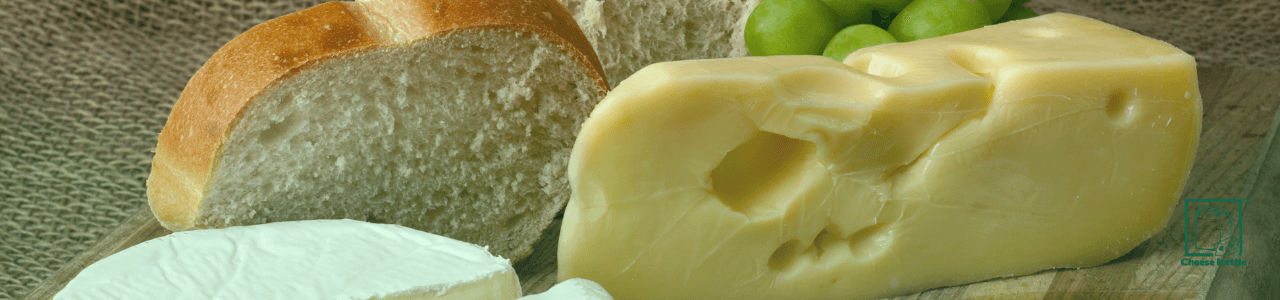
Serving, Pairing, and Communication Linked Back to Production
The way your Jarlsberg behaves in real eating situations is the real test of your production process. A well-made cheese should slice neatly, melt evenly, and showcase that mild, creamy, nutty taste with a distinctive sweet finish. It should be easy to use in sandwiches, on cheese boards, or melted over food like vegetables and bakes, confirming that your work in the vat and with your CheeseKettle equipment has created a truly versatile cheese.
From a communication point of view, you can support customers with clear product detail, accurate nutritional information, and simple wine pairing notes such as “pairs well with Pinot Noir and light reds.” Encourage customers to read the label for accurate ingredients, storage conditions, and best-before date to avoid any delay in enjoying the cheese at its peak. If buyers have questions, make it easy for them to contact the manufacturer or simply contact your team through your website so you can provide other information or respond to making updates and feedback as your Jarlsberg range grows.
Ready to dial in your Jarlsberg-style cooked curd cycles? Talk to CheeseKettle today about our 200 Ltr Cheese Making Kettle Vat, along with matching Cheese Harp, Swiss Style Cheese Curd Cutter, and 500 Ltr Brine Tank, to build a stable, scalable workflow for your next generation of Swiss style cheeses.