
Panela cheese is a fresh cheese made from pasteurized milk that is enjoyed for its mild taste, creamy texture, and versatility in many savory dishes. It is often eaten fresh as a white Mexican cheese with a gentle, milky flavor that suits salads, sandwiches, soups, and baked dishes. This guide shows you how to make consistent, food‑safe panela in a 100 Ltr Milk Pasteuriser with Chiller, using clear steps that fit artisan and small commercial cheese making.
For Australian cheesemakers, working with pasteurized cow’s milk in a controlled pasteuriser helps you deliver a safe, reliable queso panela while meeting expectations for dairy products. Your 100 Ltr Milk Pasteuriser with Chiller allows you to pasteurise, cool, and handle the curd in one vessel, which suits a panela cheese recipe that needs gentle heat and careful handling. In this article you will learn the full process, from milk preparation to pressing and brining, and how to adapt the method to your favorite dishes and business scale.
Why Panela Cheese Suits a 100 Ltr Milk Pasteuriser
Panela, also known as queso panela, queso fresco, or queso de la canasta in some regions, is a soft, high‑moisture Mexican cheese that is usually consumed fresh. It has a mild flavor and soft texture that make it a delightful addition to salads, tacos, enchiladas, quesadillas, and other Mexican food. Because it is eaten fresh and has a short shelf life compared with many other cheeses, it benefits from precise control of time, temperature, and hygiene.
This cheese is typically made from pasteurized cow’s milk, although small amounts of goat’s milk or sheep’s milk could be used in some recipes for different character. The 100 Ltr Milk Pasteuriser with Chiller is well suited to this style because it can heat milk gently, hold it at the right temperature, and cool it quickly to the setting point for rennet and calcium chloride. For cheesemakers moving beyond home cooks’ batches into small commercial runs, panela is an excellent first fresh cheese to scale.
CheeseKettle Equipment for 100 Ltr Panela Production
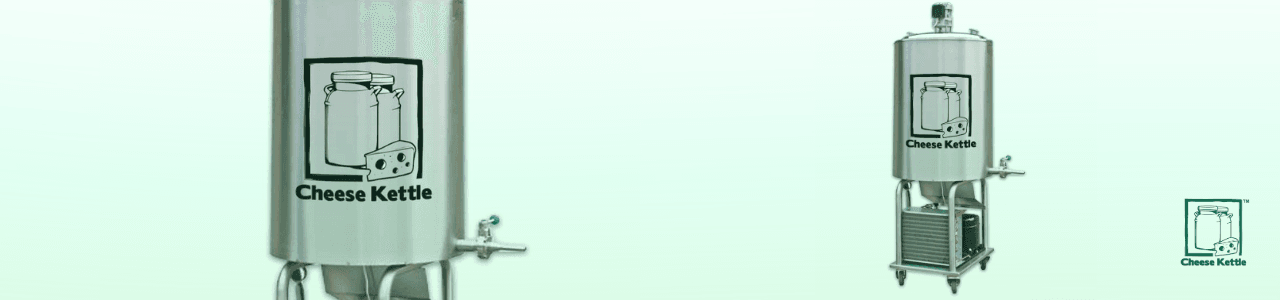
The core of your setup for panela is the 100 Ltr Milk Pasteuriser with Chiller, which lets you pasteurise milk and then cool it to coagulation temperature in the same vessel. This saves time and reduces handling, which helps protect texture and reduce contamination risks for a fresh cheese that is consumed quickly. You can then use curd‑handling tools and pressing gear that are sized to your batch volume.
Helpful CheeseKettle equipment for panela includes:
100 Ltr Milk Pasteuriser with Chiller for heating, holding, and cooling cow’s milk.
Cheese Harp sized to your vat for uniform cutting and soft, even curds.
Cheese Making Press (Custom Sizes) for gentle pressing of round mold or block shapes.
500 Ltr Brine Tank for controlled brining of finished cheeses.
This combination forms a compact but capable line that can support panela, queso fresco, and other fresh cheeses without complex infrastructure.
Preparing Milk and Your 100 Ltr Pasteuriser
Start with clean, high‑quality milk, ideally fresh cow’s milk from a reliable supplier with consistent fat and protein levels. Panela relies on good milk solids to achieve its creamy texture and soft but sliceable body. Avoid using unregulated raw milk unless it is part of an approved program, as pasteurized milk is the standard for safe commercial dairy products.
Before you begin, clean and sanitise the pasteuriser, valves, fittings, and any tools such as the Cheese Harp, ladles, and large bowl you will use to transfer curd. Rinse with potable water and check that temperature probes, agitators, and the chiller are working. Once everything is ready, fill the pasteuriser with up to 100 litres of milk, leaving space at the top for agitation and curd expansion during the cheese making process.
Pasteurisation Settings for Panela in Australia
For most small processors, a standard batch pasteurisation profile is used to treat the milk before turning it into cheese. A common setting is to heat the milk to a moderate pasteurisation temperature and hold it for the validated time listed in your food‑safety plan. The goal is to make sure the milk is safe while keeping proteins in good condition so they form a clean curd.
Using your 100 Ltr Milk Pasteuriser with Chiller, you can:
Gently heat the milk with light agitation to the chosen pasteurisation temperature.
Hold at temperature for the required time using the control panel and checked thermometers.
Switch to chilling as soon as the hold is complete to move quickly into the panela cheese recipe steps.
These controls help you manage the risk that comes with short shelf-life fresh cheeses like panela and other queso styles.

Cooling To Coagulation and Adding Cultures
After pasteurising, cool the milk rapidly using the integrated chiller to reach coagulation temperature, usually around the mid‑30s in degrees Celsius. Gentle agitation helps ensure even cooling so the milk is at a uniform temperature when you add culture and rennet. Avoid letting the milk sit warm for long periods, as this can shorten shelf life and change the final taste.
Once the milk has reached the target temperature, you can add a suitable starter culture if you are using one, then let it ripen briefly. Add dissolved calcium chloride to support good curd formation with pasteurized milk, then add rennet according to the manufacturer’s dosing for a 100 Ltr batch. Stir gently for a few minutes with a spoon or curd tool to distribute additives evenly, stop agitation, and let the milk set undisturbed until you get a clean break.
Cutting and Cooking Curd In a 100 Ltr System
When the curd is firm and shows a clean break, use the Cheese Harp to cut the curd into even pieces. Curds that are slightly larger tend to hold more moisture and give a softer texture, while smaller pieces lose more whey and become firmer. For classic panela, aim for curd pieces that keep a creamy texture yet can form thick slices for salads, sandwiches, and grilled dishes.
After cutting, allow the curds to rest briefly so the cut surfaces can heal, then start gentle stirring. You may raise the temperature slightly over time to help the curds expel whey and move toward the soft yet sliceable structure that suits quesadillas, tacos, and other dishes. Avoid heavy agitation, which can break the curds into crumbs and push the cheese toward a crumbly texture rather than the soft, creamy body you want.
Moulding, Pressing, and Cooling Panela Efficiently
Once the curds feel firm but still tender and the whey have cleared, allow them to settle in the pasteuriser. You can then transfer curds with a ladle or spoon into a large bowl or directly into perforated moulds. Round mold or block moulds both work; round forms echo traditional queso canasta or queso de la canasta styles, while blocks slice neatly for sandwiches and grilled snacks.
Place the filled moulds under a Cheese Making Press (Custom Sizes) to apply light, even pressure. The aim is to knit the curds together, not to drive out all the whey, so keep pressing time and force moderate. Proper pressing yields a cheese that can be sliced or crumbled, holds together in grilled or fried applications, and shows a smooth, soft surface rather than cracks.
Brining and Salting Options for Panela
Salting can be done by brining or by dry salting, but brining gives more uniform results for commercial panela production. A 500 Ltr Brine Tank lets you keep brine at a stable salt level and cool temperature, which supports both taste and shelf life. The time in brine depends on the size and serving size of your cheese, as well as the salt level you want.
Practical tips for brining panela include:
Use a clean, cool brine to avoid unwanted growth and off‑flavours.
Adjust time in brine so the cheese has pleasant saltiness without overwhelming the mild flavor.
Stir or rotate cheeses in the tank if needed so all surfaces contact the brine.
Once brining is complete, drain the cheeses and move them to a cool room so they can firm up and be ready to slice, crumble, or grate.
Storing And Packaging Panela for Australian Customers
Panela is a fresh cheese that is consumed fresh and has a short shelf life compared with aged cheeses. Store finished cheeses at refrigeration temperature and handle them with clean tools when slicing, crumbling, or repacking. Clear labelling with storage advice and best‑before dates helps customers understand that this is a fresh, soft cheese to be eaten within a set time.
Packaging options include vacuum packs, wrapped blocks, or pieces placed in sealed tubs with light brine. Choose a format that suits your customers’ favorite dishes, whether that is salads, snacks with crackers, fillings for chiles rellenos, or simple grilled slices. Presenting serving ideas such as using panela with corn tortillas, stuffing pastries, topping soups, or cooking it until golden brown as an appetizer can also help introduce this Mexican cheese to Australian food lovers.
Benefits of a 100 Ltr Pasteuriser with Chiller
A 100 Ltr Milk Pasteuriser with Chiller sits between small home cooks’ setups and larger factory systems, making it ideal for artisan and small commercial cheesemakers. It offers better control of heating and cooling than basic pots while avoiding the complexity of very large automated lines. For fresh cheeses that rely on precise temperature steps and fast chilling, this balance is very helpful.
Compared with smaller pasteurisers, the 100 Ltr capacity allows you to supply more restaurants, cafes, and retail outlets with consistent queso, queso fresco, or panela style cheese. Compared with larger vats, it is easier to clean and manage when you are still refining your panela cheese recipe or exploring other cheeses like oaxaca cheese or queso canasta. This flexibility lets you use the same unit to produce fresh cheeses for salads, baked goods, sandwiches, and snacks without over‑committing to a single product.
Serving and Enjoying Panela Cheese in Everyday Dishes
One of the strengths of panela is how easily it slides into many recipes and favorite dishes. It can be sliced, crumbled, grated, or served in thick slices as a snack or appetizer. Because it is low fat compared with some other cheeses and has a mild taste, it is a good substitute for heavier melting cheeses when you want a lighter option.
Here are simple ways to use panela at home or in food service:
Slice and grill in olive oil until golden brown on the outside for tacos, sandwiches, or as a snack.
Crumble over salads, soups, and baked dishes as a fresh, creamy topping.
Use as stuffing for pastries, chiles rellenos, or enchiladas where a soft, creamy, but not fully melt‑in sauce cheese is useful.
Serve with crackers, corn tortillas, and roasted vegetables as a mild, fresh cheese platter.
When heated, panela holds its shape rather than turning into a full melt, which is useful where you want a caramelized exterior and soft interior instead of a runny cheese. This makes it a natural fit for grilled dishes where a creamy, milky flavor and soft texture are more important than stretch.
Conclusion
Producing panela cheese in a 100 Ltr Milk Pasteuriser with Chiller lets you combine traditional fresh cheese character with reliable process control. By managing each step, pasteurising the milk, cooling to coagulation temperature, cutting curd, pressing, and brining, you can create a soft cheese that can be sliced, grilled, crumbled, or served fresh in a wide range of dishes. The result is a versatile, mild, creamy cheese that fits Mexican food traditions while also working beautifully in Australian kitchens.
For cheesemakers ready to expand beyond small hobby batches, the 100 Ltr Milk Pasteuriser with Chiller, paired with a Cheese Harp, Cheese Making Press, and Brine Tank, provides a solid foundation for panela and other fresh cheeses. These tools help you standardise quality, support good shelf life within the limits of a fresh product, and produce cheese that home cooks and food service customers can enjoy in everything from salads to tacos. If you want to explore a tailored 100 Ltr panela line for your creamery, you can speak with CheeseKettle about how this equipment can support your recipes, output, and growth plans.