
Limburger and other washed rind cheeses can be managed successfully in small facilities when you combine the right vat setup, airflow, and cleaning design from day one. With practical controls on brine‑washing, drainage, and sanitation, you can make strong cheese with a pungent aroma without the whole building smelling like a smelly cheese room. This guide explains how to prepare a Limburger‑ready cheese vat layout while still producing other styles like feta, blue cheeses, and soft washed rind cheeses in the same space.
A well‑planned Limburger cheese line matters because its rind is deliberately grown in warm, salty, humid conditions that also favour a strong smell. The aging process that creates the unique flavor of Limburger also produces robust flavors and aromas often compared to stinky feet or body odor. You will learn how limburger cheese originated, how that affects the vat and brine setup, and how to keep smell and bacteria contained in compact Australian facilities.
Understanding Why Limburger Is a Strong-Smelling “Stinky Cheese”
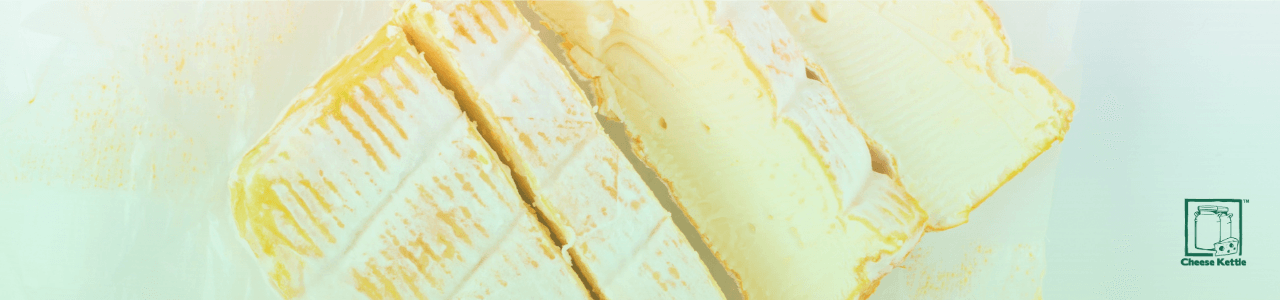
Limburger is a semi soft german cheese made from cow’s milk with a creamy interior and a sticky rind. The rind is typically washed with saltwater brine and becomes orange as it matures, while the paste inside stays pale and soft. This washed rind is where most of the flavor and pungent aroma live.
The strong smell of limburger comes mainly from a bacterium called brevibacterium linens that thrives on the surface of the cheese. This bacteria also lives on human skin and helps explain why some people say limburger smells like body odor or stinky feet. As the cheese ages, the microbes break down proteins and fat, producing tangy notes, spicy hints, and a strong smell that many cheese lovers enjoy.
Limburger is a unique cheese because the smell is more intense than the actual bite. Under the strong smell, the taste can be surprisingly mild, especially in younger cheeses. As the aging process continues, the texture becomes creamier near the rind, and the flavor becomes more assertive and complex.
Tracing How Limburger Originated and Reached Small Dairies
Limburger cheese originated in the historical region of Limburg, an area linked with Belgium, germany, and the Netherlands. The style was developed by belgian trappist monks, whose tradition of washed rind and smear ripened cheeses influenced many later styles. These monks typically washed the rind in saltwater brine to encourage the right bacteria and keep unwanted molds away.
Swiss immigrants later took the knowledge of washed rind cheeses with them when they settled in parts of the United States. In monroe wisconsin, chalet cheese cooperative became known as the only place in the country still making traditional limburger for many years. The chalet cheese co-op, sometimes just called chalet cheese, helped keep the cheese world aware of this strong cheese style.
For Australian artisan makers, this history matters because it shows limburger is designed to be a robust, everyday food rather than a novelty stinky cheese. The cheese was meant to be eaten with dark bread, butter, onions, and beer as a simple worker’s meal. That same practical mindset can guide how you design a limburger cheese vat setup in a small but efficient facility.
Selecting A Vat for Limburger and Other Strong Cheeses in Small Facilities
For limburger and other smear ripened cheeses, you need a vat that provides precise temperature control, gentle agitation, and easy cleaning. The vat should support semi soft styles with high fat content as well as firmer cheeses like feta or crumbly blue cheeses. It should allow steady, even heating of milk and a stable curd size that gives a consistent texture and taste.
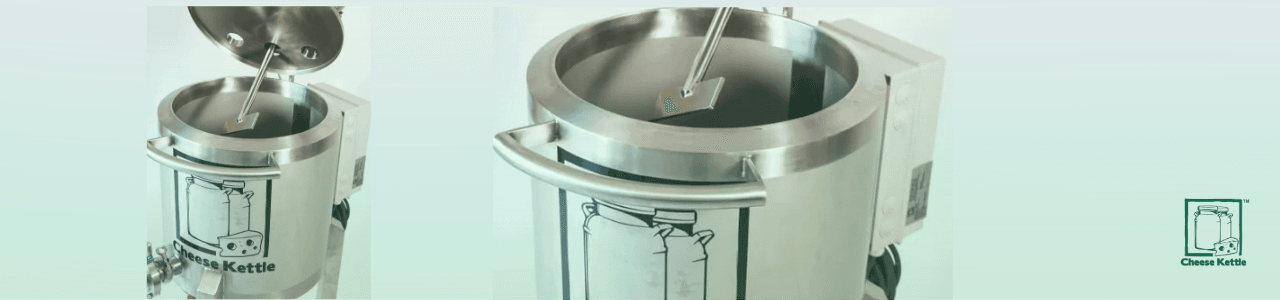
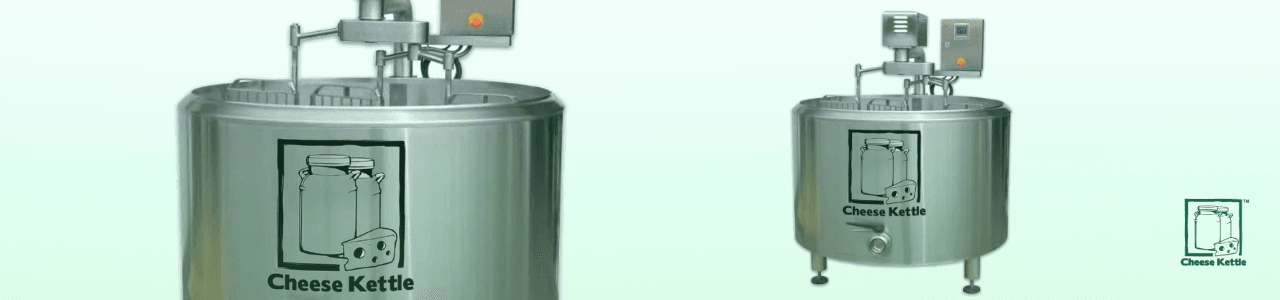
A 200 Ltr Cheese Making Kettle Vat suits medium‑scale commercial production where you want to make limburger, other washed rind cheeses, and more neutral cheeses in the same equipment. This vat has jacketed heating, agitation, and accurate temperature controls, which help you manage the aging process from the very first steps. If you operate without three‑phase power, a 240V Single Phase Cheese Vat allows you to produce wash‑rind styles without upgrading your electrical system.
Matching vat choice with your planned aging room and odour control capacity is critical. Limburger and other strong cheeses stay in the aging room longer than many fresh cheeses, so throughput must line up with ripening space and smell management, not just milk volume.
Planning A Limburger Vat Layout That Contains Odours
An effective layout keeps all smear ripened work (brine washing, turning, and early ripening) close together and away from clean packaging and visitor zones. This reduces the number of doors, corridors, and drains that can carry limburger smell through the facility. The aim is to concentrate aroma and bacteria where you can control them.
Place your main vat near a dedicated brine station and close to the entrance of the smear ripening room. A 500 Ltr Brine Tank gives you a stable, corrosion‑resistant reservoir for saltwater brine used on limburger and other washed rind cheeses. Using a dedicated brine tank for strong cheeses helps protect milder styles from flavour carryover.
A practical small‑plant layout would:
Keep the path short from vat to draining table, molds, and brine
Use separate racks and room sections for washed rind and non‑washed cheeses
Include floor drains with simple, easy‑to‑clean covers near the vat and brine area
Because the smell is strongest around smear washing and early aging, local exhaust hoods or carefully placed extraction near these spots can make a large difference. Even modest systems can help if they pull air from the smelly zone and move it through a filter or stack rather than across the whole building.
Applying Process Controls to Reduce Limburger Smells at the Vat and Brine Area
Controlling limburger odour is mostly about reducing the time that smear run‑off and brine stand in warm, open containers. The same bacteria that give limburger its unique flavor will keep working in drain traps, on floors, and on equipment if you do not clean and dry them. Good practice near the vat and brine station can greatly reduce smell.
At the vat and draining area, drain whey and wash water quickly and avoid leaving buckets of liquid near warm surfaces. Clean curd tables and small tools soon after use, especially when creamier, high fat content cheeses are involved. This also helps when you produce other foods like feta or blue cheeses that might be sensitive to washed rind microbes.
Scheduling heavy smear work at planned times can also help you prepare staff and adjust ventilation. Standard process timing, such as fixed days in the week for limburger washing, stops the gradual drift into longer and warmer work sessions that raise odour levels. Over time, these controls make it easier to serve limburger and other strong cheeses without unwanted smells in every room.
Managing Cleaning, Drainage, and Effluent for Strong Washed Rind Cheeses
Smear ripened zones must be cleaned with more care than areas used only for fresh cheese or butter. Surfaces that often touch rind, smear, and brine can quickly develop biofilms that hold smell and bacteria. This includes vat exteriors, walls, drains, shelves, and small tools that frequently contact washed rind cheeses.
Cleaning steps should include thorough internal cleaning of the vat using suitable caustic and acid solutions, followed by a rinse that leaves no residue. On the outside, use foam cleaners on walls, floors, and equipment in the limburger zone each day, paying attention to drain covers and seals. Make sure drain traps are intact, free from crumbly curd, and flushed regularly.
When designing the system, smooth welds, drainable pipework, and easily removed gaskets will save you time and labour. They also help prevent hidden pockets where bacteria can grow, which protects both smell control and food safety for your cheese range.
Balancing Limburger Production with Milder Cheeses in One Facility
Because washed rind cheeses host strong surface bacteria and yeasts, you must manage both odor and cross‑contamination. Bacteria from limburger rinds can colonise milder cheeses and change their flavour and aroma. With careful planning, you can still run a mixed line that also includes feta, blue cheeses, and other styles using the same core equipment.
Useful strategies include making fresh or mild cheeses earlier in the week and scheduling limburger production and smear washing later. Keep separate racks and rooms for washed rind cheeses, and dedicate racks, brushes, and cloths to strong cheeses only. Clear labels on tubs, buckets, and brine containers will help prevent limburger brine from being used by mistake with delicate cheeses.
A mixed‑plant setup might use:
A shared vat such as a 200 Ltr Cheese Making Kettle Vat for multiple cheese types
A shared pasteuriser and milk cooling tank for all milk
A dedicated 500 Ltr Brine Tank, limburger aging room, and specific small tools only for washed rind cheeses
This approach keeps your limburger cheese taste and smell where you want them while letting you continue to enjoy limburger cheese alongside milder products. It also gives you flexibility to add new unique cheese styles over time.
Exploring How People Serve Limburger Cheese and Use It in Foods
Understanding how customers eat and serve limburger helps guide your batch sizing, packaging, and ageing profile. Traditionally, people enjoy limburger cheese as a limburger cheese sandwich or limburger sandwich on dark rye bread or pumpernickel. These often come with onions, brown mustard, and sometimes butter, creating a filling meal that pairs well with beer or wine.
The combination of creamy texture and strong smell works well with dark rye, dark rye bread, and other full‑flavoured breads. Some people even like to eat limburger with sweet foods like strawberry jam to balance the bite and aroma. Offering clear serving suggestions on labels and in marketing helps new customers overcome fear of stinky cheese and discover its delicious side.
When you present these ideas simply, more people are willing to taste, smell, and enjoy limburger cheese. That in turn supports regular production in your vat and helps justify the effort of managing a strong, smear ripened cheese in a small facility.
Leveraging CheeseKettle Equipment in a Limburger-Ready Setup
CheeseKettle equipment gives small and medium facilities the tools to manage limburger and other washed rind cheeses in a controlled, practical way. With the right combination of vat, brine tank, and upstream milk handling, you can produce a range of cheeses with different texture, taste, and aroma from a compact plant.
Because you may also produce fresh cheeses, feta, blue cheeses, butter, and other foods, flexible equipment is important. A staged setup using a smaller pasteuriser at first, then expanding the vat and brine capacity as limburger demand grows, helps manage risk. Over time, your plant can quietly move from first trial batches to a steady line of strong washed rind cheeses that fit your local cheese world and customer tastes.
Ready to support limburger and other strong washed rind cheeses in your small facility? Contact CheeseKettle today about the 200 Ltr Cheese Making Kettle Vat, the 240V Single Phase Cheese Vat, and the 500 Ltr Brine Tank to design a compact, odour‑smart setup tailored to your production goals.