🧀 Contact Us Now! (Call 02 6190 7800) 🧀

🧀 Contact Us Now! (Call 02 6190 7800) 🧀
A compact pressing area for ricotta salata has one focus: helping you turn fresh ricotta into a firm, mildly salty cheese with a crumbly texture and rich flavour without wasting space. You want a corner that keeps whey under control, supports safe cheesemaking, and produces a balanced, traditional cheese you can grate over pasta dishes, salads or roasted vegetables. With the right draining tables, racks and effluent management, you can press ricotta cheese made from cow’s milk or sheep’s milk in the same small room that handles your other work.
Ricotta salata starts as fresh ricotta that has been salted, drained and lightly pressed until it becomes a firm, sliceable and grateable cheese with a gentle, savory and slightly salty flavor. Compared with harder Italian cheeses like parmesan or pecorino romano, it uses lighter pressure and relies more on good drainage and steady moisture removal.
Your pressing area needs to support this slow change from moist cheesecloth lined curds to a smooth rind and aged interior. That means even support under the cheese inside each mould, room to turn upside and flip, and a setup that lets you gently remove and unmold cheese without damage.

In small rooms, the path from milk to pressed cheese has to be simple and direct. Aim to move from vat or pot to drained moulds and then to the press in the same way every batch, so no one is dodging equipment or carrying heavy tubs too far.
A practical layout keeps draining tables close to your vat, with racks and your press in the same corner.
The cheese moves forward while dirty tubs and cloths go back another way to wash up, so food contact areas stay cleaner, and the aging process later is more reliable.
A good draining table should help moist curds lose whey efficiently without losing flavour or structure.
A lightly sloped stainless steel surface with perforations or a butter muslin or moist cheesecloth layer works well for catching fine particles from this soft, creamy style of ricotta.
The table surface should be easy to rinse and scrub after every batch, so salt and fine curd do not stick.
Low side walls or upstands help hold salt water, drips and splashes, so the cheese salt and fine curds stay where they belong instead of coating the floor.
Multi-tier racks let you produce more ricotta salata in not a lot of floor space. Stacking moulds over a draining surface gives room for salted ricotta to drip steadily until it is ready to go under the press.
You can use perforated moulds or baskets lined with butter muslin, making sure the cheese inside can breathe and drain freely. Shelves should be sturdy enough that you can gently remove and flip each mould, then lightly salt again so the surface stays balanced in flavor and texture.
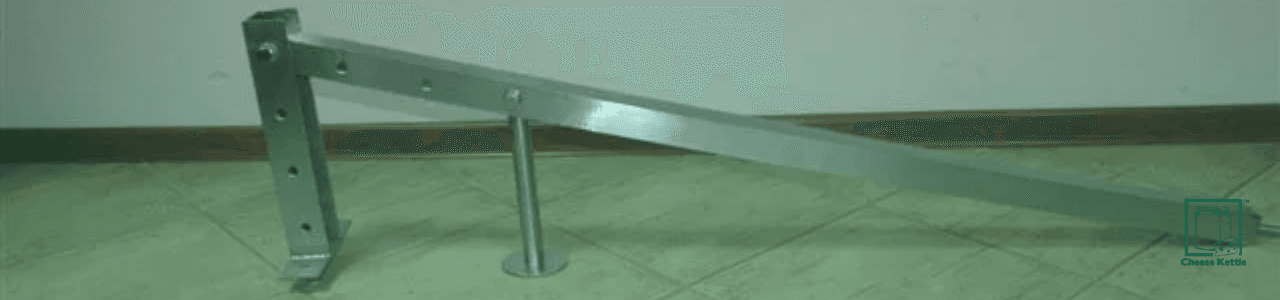
Because ricotta is soft and moist at first, it does best under steady, moderate pressure rather than very heavy loads. Compact presses let you load several moulds at once, coat the surface with salt, and press until the cheese becomes firm but not brittle. CheeseKettle offers two relevant pieces of pressing equipment you can build your compact area around:
Cheese Making Press (Custom Sizes)
This press can be tailored to different mould dimensions, so you can line up your ricotta salata moulds neatly and apply consistent pressure across every batch. It is available in various scales, which makes it a practical choice if you want to start small and later increase production without changing your pressing method.
Commercial Mechanical Gravity Cheese Press
This unit lets you press multiple cheeses at once using adjustable, predictable gravity-based pressure. It is designed for efficiency and suits a compact layout where you want reliable pressing for ricotta salata and other styles without taking over the whole room.
Both presses support the style of pressure ricotta needs and can sit directly over draining surfaces, helping you guide whey and wash water straight into your effluent system instead of across the floor.
Salting is what turns fresh ricotta into salted ricotta and then into ricotta salata. You will usually sprinkle cheese salt, lightly rub it over the surface, and sometimes continue salting over several turns to build a gentle salty edge without overpowering the rich flavour.
Each time you turn upside and flip, you help the remaining whey escape and keep the shape even from top to bottom. If any spot stays too moist or if a mold appears on the surface, you can gently remove it, wipe, and adjust salting, supporting a clean rind and a safe, steady aging process.
Every drop from your draining tables, racks and presses has to go somewhere safe and easy to clean.
In compact rooms, a well-placed floor drain or channel under the pressing area helps capture whey, wash water and salt water from rinsing.
The floor should be simple to hose down and not too slippery when moist, so staff can move safely while handling moulds and racks. A small sump or trapped drain can catch curd bits, so they do not block pipes or leave build up, and this makes daily production and cleaning more predictable.
Even if you are only making not a lot of ricotta salata, the liquid from draining and washing adds up through the week. Collecting this effluent in a controlled way helps you protect plumbing, keep odours down and stay ready for any trade waste rules in your area.
Simple steps include screening out curds, keeping fats and whey together so they can be dealt with as one stream, and avoiding harsh cleaners near your pressing line. When your volume grows, you can add small balance tanks or basic pre-treatment gear that align with the rest of your cheesemaking setup and your local requirements.
Your pressing corner is wet, busy and often full of people handling moist moulds and racks. Non-slip flooring, clear walkways and good drainage reduce the risk of slips while you move racks between draining areas, the Cheese Making Press (Custom Sizes) and the Commercial Mechanical Gravity Cheese Press.
Presses, racks and tables should be quick to wash and dry, so any mold appears only when and where you expect it during controlled aging rather than on equipment. Good lighting makes it easier to spot issues on the cheese surface, from unwanted mold to uneven salting or dents in the cheese, so you can fix them early.

Designing this pressing area is also about what happens after you unmold cheese and move it to the fridge or aging room. Ricotta salata sits alongside other Italian cheeses like parmesan, pecorino romano and fresh mozzarella in terms of how people eat and use them.
Once aged, this cheese can be crumbled, sliced or finely grated over pasta dishes, salads, grilled eggplant, tomato or pasta baked with paprika, herbs and honey or oil. Its mild, lightly salty flavor and crumbly texture pairs exceptionally well with roasted hazelnuts, olive oil and many simple food combinations from Italy and beyond.
A well-designed pressing area makes it easier to produce enough cheese so customers can reliably find ricotta salata in your cabinet or through your wholesale partners. Clear labels that explain it is a traditional cheese made from cow’s milk or sheep’s milk, pressed and gently aged, help people understand how it differs from fresh ricotta.
You can suggest simple serving ideas: slathered on warm bread, dipped into olive oil, shaved onto salads, or grated over hot pasta with eggplant and tomato, or alongside grilled vegetables and a drizzle of honey. Because it does not fully melt like some cheeses, it holds its shape in many cooking styles while still adding a rich, savory note to the dish.
A strong pressing corner starts with reliable stainless-steel equipment that fits your room and your volume. From your milk handling to pressing, CheeseKettle equipment is built to help your cheese, whey and wash water stay under control from vat to fridge or aging space.
For a compact ricotta salata area, three product families stand out:
Cheese Making Press (Custom Sizes)
Lets you match press size and layout to your ricotta salata moulds and room dimensions.
It provides consistent pressure application across different production volumes, so your ricotta salata stays even in texture from batch to batch.
Commercial Mechanical Gravity Cheese Press
Allows pressing multiple cheeses at once with adjustable gravity-based pressure that suits ricotta salata and other styles.
Designed for efficiency in commercial settings, it fits neatly into a compact layout while giving you room to grow production.
Cheese Vats and Pasteurizers
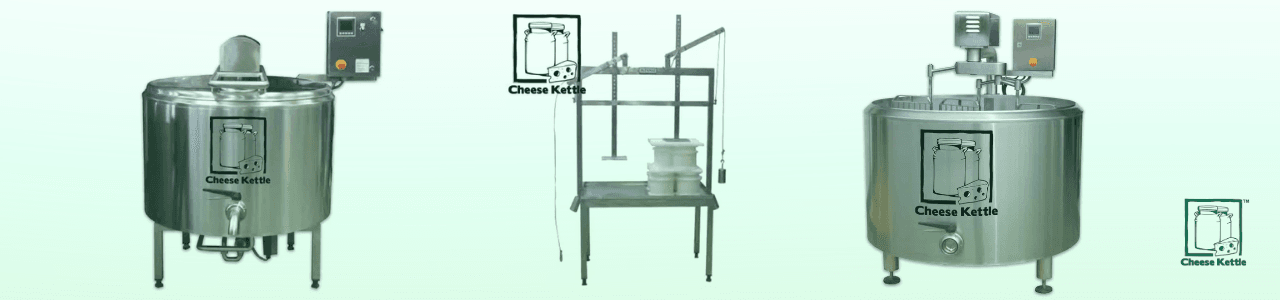
Options like the 200 Ltr Cheese Making Kettle Vat or 50 Ltr Pasteurizer for Milk support upstream work with milk, curds and whey, feeding a reliable supply of fresh ricotta into your pressing corner.
Their food grade stainless steel build and precise temperature control help you make a creamy, balanced base that presses cleanly and develops good texture.
By matching these products with well-planned draining tables, racks and effluent handling, you create a compact, practical pressing area that supports both artisan and growing commercial production of ricotta salata and your broader Italian style range.
Building a compact pressing area for ricotta salata is about more than finding room for a press. You are shaping a space where fresh ricotta becomes salted ricotta, then a firm, aged cheese with a rich flavour that you can grate over pasta, scatter on salads, or slice for simple plates with tomato, eggplant and nuts.
By focusing on well-designed draining tables, multi-tier racks, clear effluent handling and the right CheeseKettle pressing equipment, you get a corner that supports your team, your workflow and your cheeses. Keep the path from vat to press clear, the surfaces easy to clean, and the salting and turning routine steady, and your compact pressing area can quietly turn out reliable, characterful ricotta salata week after week.
