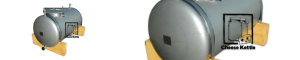

Small-batch sour cream production represents a significant opportunity for artisan dairy producers who want to move beyond basic homemade sour cream methods to create premium commercial products. Many producers struggle with the transition from simple kitchen techniques using lemon juice or vinegar to professional bacterial fermentation processes that create the thick texture and tangy flavor customers expect from quality sour cream.
The challenge lies in understanding how proper pasteurization equipment and controlled fermentation create superior dairy products that outperform store bought alternatives. Unlike quick sour cream methods that rely on adding fresh lemon juice or white vinegar to regular cream, commercial production requires precise temperature control for bacterial fermentation where lactic acid bacteria convert lactose into lactic acid over 12-24 hours.
Examine the essential equipment requirements and process setup needed to establish a successful small-batch sour cream operation that produces consistently delicious results with the rich, creamy consistency and acidic flavor that makes sour cream versatile for baked potatoes, baking recipes, creamy sauces, and so many different ways of culinary use.
Why Professional Equipment Transforms Your Sour Cream Production
The difference between easy homemade sour cream and commercial-quality dairy products lies in understanding the food science behind bacterial fermentation and protein structure formation. Home methods using buttermilk, greek yogurt, or vinegar to acidify heavy cream simply cannot provide the controlled environment needed for consistent results across multiple batches.
Professional sour cream production requires precise temperature control during pasteurization to denature whey proteins and create optimal conditions for starter culture activity. This process enables the casein proteins to form strong gel structure formation through electrostatic interactions, resulting in the thick consistency that distinguishes quality sour cream from thin, watery alternatives.
The pasteurization phase serves multiple critical functions beyond eliminating harmful bacteria. High-temperature treatment at 85°C modifies the protein matrix in heavy whipping cream, creating the foundation for proper fermentation where metabolic activity of lactic acid bacteria gradually develops the characteristic tangy taste over the fermentation period.
Understanding Fat Content and Cream Standardisation
Commercial sour cream production demands consistent fat content between 18-20% to meet regulatory requirements and achieve optimal texture. This high fat content contributes to both the rich flavor and creamy texture that customers expect, while fat globules interact with the developing protein network to create stability during storage in the fridge.
Unlike homemade methods where you might use whatever heavy cream is available, commercial standardisation ensures reproducible results. The fat content affects how the mixture will thicken during fermentation and influences the final taste and consistency of your finished dairy products.
Proper cream preparation involves careful measurement and mixing to ensure uniform composition throughout each batch. This attention to detail becomes particularly important when scaling up production volumes while maintaining the artisan quality that distinguishes small-batch products from mass-produced alternatives.
Temperature Control Throughout the Process
Precise temperature management determines both product safety and final texture quality. The pasteurization process must achieve uniform heating to eliminate pathogens while preparing the protein structure for fermentation. Following heat treatment, rapid cooling to room temperature creates ideal conditions for starter culture inoculation and subsequent bacterial fermentation.
Maintaining consistent temperatures during the 12-24 hour fermentation period ensures reliable metabolic activity from lactic acid bacteria. Temperature fluctuations can extend prep time, create off-flavors, or result in poor gel formation that affects the thick texture customers expect in their recipes for soups, dips, and baking applications.
The controlled cooling process preserves the integrity of fat globules in the milk mixture while ensuring rapid temperature transitions essential for successful culture activity. This precision distinguishes professional production from simple home methods where temperature control often relies on ambient conditions.
Selecting the Right Pasteurization Equipment for Your Operation
Choosing appropriate pasteurization equipment forms the foundation of successful small-batch sour cream production. Each equipment option provides specific advantages depending on your production volume, energy requirements, and cooling capabilities needed for optimal results.
50 Ltr Pasteurizer for Starting Your Operation
The 50 Ltr Pasteurizer offers an excellent entry point for producers transitioning from homemade production to commercial operations. This equipment provides the precise temperature controls essential for achieving proper pasteurization while maintaining batch-by-batch flexibility that small producers need for quality control.
This pasteurizer size works particularly well for direct-to-consumer sales or local market supply where customers appreciate artisan quality. The controlled heating system ensures you can maintain critical temperatures for optimal protein modification while avoiding scorching that creates off-flavors in your lovely sour cream.
The batch processing capability allows careful monitoring of each production run, ensuring consistent quality whether customers plan to use your sour cream immediately on baked potatoes or store the product refrigerated for later use in their favorite recipes. This equipment provides the temperature precision needed for reliable bacterial fermentation that develops proper tangy flavor.

100 Ltr Milk Pasteuriser with Chiller for Enhanced Control
The 100 Ltr Milk Pasteuriser with Chiller addresses one of the most challenging aspects of small-batch production: achieving rapid, controlled cooling after pasteurization. The integrated cooling capability eliminates guesswork in temperature management, ensuring your cream mixture reaches optimal conditions for starter culture addition.
This mid-capacity option suits operations planning to supply restaurants, specialty food stores, or regional markets where consistent performance matters. Whether customers use your sour cream for rich sauces, creamy dips, or complex baking recipes, the integrated chiller maintains cream integrity throughout processing while ensuring proper fermentation conditions.
The controlled cooling prevents temperature fluctuations that can compromise bacterial fermentation, ensuring your sour cream develops the proper acidic flavor while maintaining the thick consistency that performs reliably. This equipment supports the transition from simple homemade methods to professional production that creates delicious results consistently.

200 Ltr Pasteurizer for Growing Operations
The 200 Ltr Pasteurizer provides efficient batch processing for established operations ready to scale beyond initial market testing. This larger capacity maintains temperature uniformity essential for consistent sour cream quality while enabling higher throughput for growing customer demand across multiple market channels.
This equipment size particularly benefits operations supplying diverse applications where sour cream serves different functions. Whether producing for restaurant supply, specialty retail, or direct sales to customers who appreciate premium dairy products for their cooking and baking needs, precise temperature control ensures reliable results.
The enhanced capacity allows substantial production runs while maintaining artisan control that distinguishes small-batch products from store bought alternatives. This scalability becomes valuable as customer demand grows and you consider expanding into related products like cream cheese or butter that utilise similar fermentation processes.
Milk Pasteurization Machine with Heat Recovery System
The Milk Pasteurization Machine with Heat Recovery System represents the most energy-efficient option for sustainable sour cream production. This equipment recaptures heat from the cooling process, significantly reducing energy consumption while maintaining the precise temperature control essential for quality bacterial fermentation.
The heat recovery feature appeals to operations focused on environmental sustainability and long-term cost management. Energy savings become increasingly significant with higher production volumes, making this equipment an excellent investment for operations planning substantial growth in premium dairy products.
This system maintains all the temperature precision needed for optimal protein modification and fermentation control while maximising operational efficiency. The recovered heat can support facility operations, cleaning systems, or preheating processes, creating comprehensive energy management throughout your production cycle.
Mastering the Fermentation Process for Consistent Quality
Understanding bacterial fermentation distinguishes professional sour cream production from simple acidification methods used in homemade sour cream recipes. This process requires careful management of starter culture, environmental conditions, and timing to develop the complex flavor profile and texture customers expect.
Starter Culture Management and Inoculation
Professional sour cream production relies on carefully selected mesophilic cultures that work efficiently at room temperature. These specialised lactic acid bacteria strains produce the characteristic tangy flavor through controlled conversion of lactose into lactic acid during the fermentation period, creating the acidic environment that gives sour cream its distinctive taste.
The inoculation process requires precise measurement and thorough mixing to ensure uniform culture distribution throughout the milk mixture. Proper incorporation using gentle stirring techniques ensures even fermentation that prevents texture variations or inconsistent flavor development in the finished product stored in your facility or customers’ refrigerators.
Fermentation Environment and Time Management
Maintaining optimal fermentation conditions requires attention to both temperature consistency and timing throughout the 12–24-hour process. The inoculated cream should be held at stable room temperature, allowing steady metabolic activity from lactic acid bacteria to gradually lower pH while developing the acidic flavor profile customers appreciate.
Environmental control during fermentation directly impacts both flavor development and final texture formation. Consistent temperatures prevent extended fermentation times that can create off-flavors or poor gel formation affecting the thick consistency that makes sour cream versatile for various culinary applications from sweet desserts to savory dishes.
Proper fermentation containers require food-grade materials with appropriate lids that allow controlled air exchange while preventing contamination. Unlike simple homemade storage using a jar with paper towel and rubber band covering, commercial production needs proper environmental control throughout the bacterial fermentation process.

Monitoring Quality Development
Tracking fermentation progress involves monitoring both chemical and physical indicators of proper development. The cream mixture should gradually thicken as bacterial fermentation progresses, developing characteristic tangy flavor while maintaining the rich, creamy texture that distinguishes quality sour cream from inferior alternatives.
pH monitoring ensures the fermentation reaches proper acidity levels that create both flavor and food safety characteristics. Target pH ranges between 4.5-4.8 provide the acidic conditions necessary for preservation while developing the tangy taste that makes sour cream perfect for baked potatoes, chili, and countless other dishes.
Quality Control and Packaging for Market Success
Maintaining consistent quality from production through consumer use requires attention to packaging selection, storage procedures, and handling practices that preserve the carefully developed flavor and texture characteristics of your premium sour cream.
Proper Packaging Selection and Techniques
Choose food-grade containers with secure lids that create an airtight container, preventing contamination while preserving the creamy consistency developed during fermentation. Commercial packaging requirements exceed simple homemade storage methods, ensuring product integrity throughout distribution and retail storage.
Storage and Distribution Requirements
Finished sour cream requires immediate refrigeration to maintain quality and extend shelf life while preserving the bacterial fermentation results. Proper temperature management throughout storage and distribution preserves both the thick texture and tangy flavor that customers expect for their various culinary applications.
Labeling and Customer Education
Comprehensive labeling should include production information, storage requirements, and usage suggestions that help customers understand how to store your product for optimal quality. Clear instructions support customer satisfaction while building appreciation for the care invested in your production process.
Expanding Market Opportunities and Product Applications
Quality sour cream offers numerous market opportunities beyond basic retail sales. Understanding your product’s versatility helps identify additional revenue streams and customer segments that value premium dairy products with superior flavor and consistency.
Professional Kitchen Applications
Restaurant customers appreciate consistent quality and reliable performance in their professional kitchens. Your sour cream’s thick texture and tangy flavor make it particularly valuable for chefs creating rich sauces, creamy soups, and sophisticated dishes where ingredient quality directly impacts final results.
Bakery applications benefit from your sour cream’s consistent fat content and acidity levels that interact predictably with other ingredients. Whether used in cakes, breads, or pastries, your product’s reliable performance helps professional bakers achieve consistent results that build their reputation for quality.
Retail Customer Education and Engagement
Home cooks increasingly seek premium ingredients that elevate their cooking and baking results. Your sour cream’s superior flavor development and creamy consistency make noticeable differences in recipes, creating customer loyalty among those who appreciate quality ingredients.
Product Line Development Opportunities
Successful sour cream production provides a foundation for expanding into related dairy products that utilise similar fermentation processes and equipment capabilities. Cream cheese, cultured butter, and specialty fermented products appeal to similar customer segments while maximising your investment in equipment and expertise.

Conclusion
CheeseKettle’s reliable milk pasteurizers are designed to help you create sour cream with consistent texture, reliable taste, and food safety that meets commercial standards. Unlike store bought sour cream, your small-batch products can be customised with the thickness, tangy flavor, and rich consistency that professional kitchens or home cooks expect.
With options including the entry-level 50 Ltr Pasteurizer, the efficient 100 Ltr Milk Pasteuriser with Chiller, the medium-capacity 200 Ltr Pasteurizer, or the energy-efficient Milk Pasteurization Machine with Heat Recovery System, you have the temperature control and cooling required to match or improve upon store bought sour cream every time. Contact CheeseKettle today to discuss the best pasteurizer for your process and learn how our equipment makes it easy to produce cultured dairy products that stand out on the shelf.