

Authentic Gorgonzola development depends on controlled piercing that lets blue mold breathe and spread into those familiar blue-green veins. When you manage this step well, you bring out the creamy body, crumbly texture, and rich flavor that make Gorgonzola cheese stand out. For Australian makers, this is how you move from good cheese making to a consistent, classic blue cheese style.
What Makes Piercing So Important for Authentic Gorgonzola?
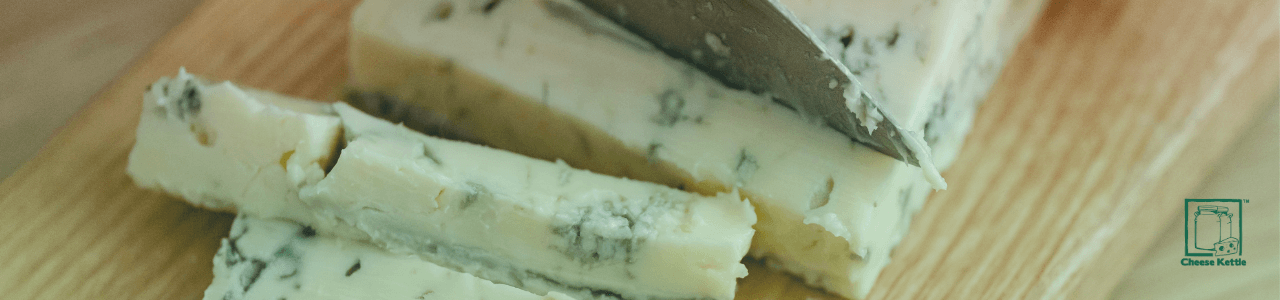
Piercing is important because it opens air channels into the body of the cheese, which allows blue mold to grow from the center outwards. Without this step, the interior of the cheese stays pale and tight instead of developing blue marbling and creaminess. This is what turns a firm young wheel into a cheese with a soft, creamy, yet sometimes crumbly interior.
As oxygen moves through the needle holes, it supports mold activity and helps break down proteins and fat in the curd. This is what builds the smooth texture, piquant bite, and earthy aroma we associate with Gorgonzola and other blue cheese styles. Over time, the result is a balanced mix of sweet and salty notes, with a gentle butter and cream character under the sharper blue flavor.
How Does the Piercing and Veining Process Work in Practice?
After the curd is cut, drained of whey, and formed into round cheeses, each wheel is salted and allowed to rest before piercing. This pause lets the rind strengthen just enough so that metal rods or needles can enter without breaking the surface. The curd inside stays open enough for air to move, which is vital for later mold growth.
For many makers, the first piercing happens three to four months before the cheese is fully matured, often a few weeks into ageing. Some wheels are pierced once, while others, especially firmer gorgonzola piccante types, may be pierced twice to deepen marbling and boost strength of flavor. Timing, depth, and spacing all shape whether the final cheese is more like sweet gorgonzola dolce with a mild profile or a stronger, crumblier blue.
Which Piercing Tools and Equipment Suit Artisan and Commercial Makers?
At small scale, makers often start with a single stainless-steel needle or slim metal rod to pierce each round by hand. This works for a family farm or micro creamery producing a handful of wheels a week. For larger batches, this approach becomes slow and hard to keep consistent.
To support higher volumes, cheesemakers can move to piercing heads that hold multiple needles in a fixed pattern. These frames can be pressed into the top and sometimes the sides of the cheese, giving even coverage and consistent depth with each pass. For bigger plants, semi-automatic systems help pierce many wheels quickly while still handling soft or creamy cheese gently, so the structure is not damaged.
How Do Patterns, Depth and Timing Affect Blue Veining and Texture?
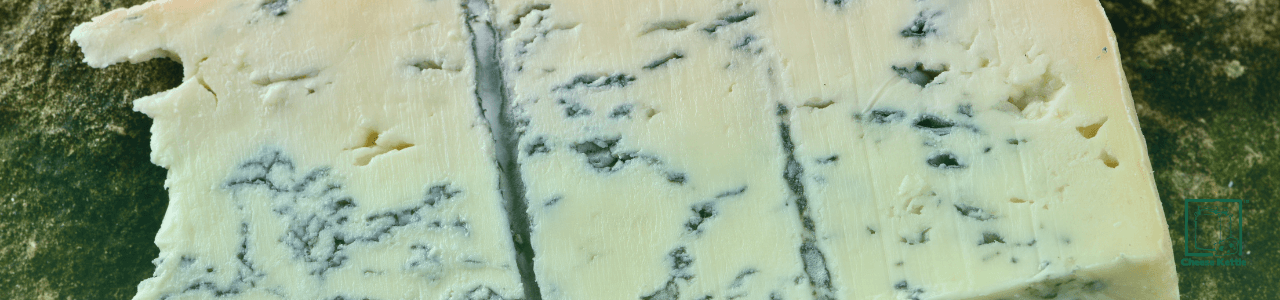
The pattern you choose influences how the mold spreads and how the final cheese looks on the cutting board. A tight grid with deep holes leads to strong blue marbling and a more intense piquant bite, while wider spacing creates patches of blue in a mostly creamy body. This difference is part of what separates sweet gorgonzola dolce from sharper, more crumbly gorgonzola piccante.
Depth also matters because you want air channels to reach near the center without tearing the curd apart. Piercing too early can cause holes to close again if the curd is still soft, while piercing too late can limit mold growth and leave the middle quite mild. Careful record keeping across multiple makes helps refine your pattern so that each wheel from your farm or factory matures in a predictable way.
How Should Ripening Rooms Be Set Up for Reliable Veining?
Ripening rooms for Gorgonzola-style cheese should copy the cool, humid feel of the Italian Alps caves where the style first took shape. Cool temperatures slow the process so that mold growth, salt absorption, and moisture loss stay in balance. High humidity keeps the rind from cracking and helps keep the interior soft enough for mold and enzymes to move through the paste.
Air movement needs to be gentle and even, so that no half of the room dries out faster than the other. If air blows directly on cheese, it can create thick, dry rinds and limit blue spread, especially in young wheels. Smooth walls, good drainage, and clear cleaning plans help maintain quality so that the smell and aroma of ripening blue cheese stay under control and do not move into other products.
How Do Upstream Steps Like Milk, Curd and Salt Support Veining?
Blue cheese starts with fresh milk, usually cow’s milk, though some makers may trial blends with sheep or other milks. The quality of the milk, the pastures the animals graze, and how quickly you move from farm to vat all influence the final cheese. Clean, cool milk allows cultures and mold to create complex flavor without off notes.
During cheese making, rennet, cultures, and cutting choices define the structure of the curd. Finer cuts and longer stirring drive out more whey, leading to a firmer, more crumbly texture, while gentler handling preserves more moisture and can support a softer, creamier interior. Salt levels then help control moisture and flavor, balancing the salty edge against sweet milk notes so the final taste works well on salads, pizzas, or a cheeseboard.

Which CheeseKettle Products Support Reliable Blue Cheese Production?
For Gorgonzola-style cheese, reliable core equipment gives you control before you ever reach the piercing stage. A well-designed vat, for example, helps set the curd evenly and keeps temperature steady while cultures and rennet do their work. The right pasteuriser lets you combine food safety rules with flavour goals by tailoring heat treatment to your milk.
CheeseKettle’s 200 Ltr Cheese Making Kettle Vat gives medium producers a flexible base for blue cheese, from sweet young dolce to more matured, crumbly styles. Paired with a 50 Ltr Pasteurizer for Milk or 200 Ltr Milk Pasteurizer, you can scale from trials to full production while keeping creaminess and structure under control. A 500 Ltr Brine Tank then helps apply salt consistently, which is vital for rind strength, internal texture, and long-term ageing.
How Should an Australian Facility Be Designed Around Blue Cheese Rooms?
Designing a facility for Gorgonzola-style blue cheese means thinking about zoning, air flow, and cleaning paths from day one. Piercing and ripening areas act as high-mold zones, so they should be separated from other cheeses and from milk intake areas. This helps keep blue spores from moving into cheeses where that character is not wanted.
Ventilation systems should move air from cleaner spaces, like fresh milk and rennet dosing rooms, toward older, high-load areas like piercing and ageing rooms. Floors need a clear fall to drain so that no puddles form under racks, as standing water can raise risks without adding anything to flavor or texture. Simple, logical traffic paths for people and wheels help your team serve each stage efficiently while keeping quality and hygiene in balance.

How Can Makers Shape Style, From Gorgonzola Dolce to Gorgonzola Piccante?
Within the broad idea of Gorgonzola and blue cheese, you have room to shape house style. Gorgonzola dolce is typically aged for a shorter time, often around three to four months, and has a mild, sweet, creamy profile with a soft, spoonable body. Gorgonzola piccante is aged longer, becomes crumblier, and offers a stronger, more piquant bite and earthy aroma.
By adjusting your milk make-up, cutting, stirring, salting, piercing schedule, and ageing length, you can move along this spectrum. Younger, sweet styles pair well with honey, fresh grapes, and a glass of light wine, and are a great option for salads or melted on pizzas. Older, stronger cheeses shine on a cheeseboard with breads, nuts, and accompaniments that stand up to their full flavor.
How Can CheeseKettle Help You Build a Blue Cheese Program?
Bringing all of this together means looking at your process from farm to finished round, from milk and vat to piercing tools and room design. When these elements are combined with care, you can create a classic Gorgonzola-style cheese that reflects your region as much as the original town and alpine origin. Each batch then becomes part of a steady family of products rather than a one-off success.
CheeseKettle works with Australian makers who want to produce consistent blue cheeses, whether from a small farm creamery or a growing commercial site. With proven vats, pasteurisers, and brine systems, you can build a line that supports both sweet, mild dolce styles and more aged, crumbly Gorgonzola-inspired cheeses.
Ready to refine your piercing, veining, and facility setup? Contact CheeseKettle today about the 200 Ltr Cheese Making Kettle Vat, 240V Single Phase Cheese Vat, and 500 Ltr Brine Tank to create an efficient, reliable pathway from fresh milk to beautifully veined blue cheese.