

Halloumi production in Australia must balance flavour, texture, and safety while meeting FSANZ microbiological standards. Whether you make cypriot halloumi from cow’s milk, sheep’s milk, or a mix, strict hygiene and testing protect your cheese, your brand, and your customers. This guide focuses on practical steps to keep your halloumi cheese safe, from brine to non-stick pan.
What Are FSANZ Microbiological Requirements for Halloumi Cheese?
FSANZ sets microbiological limits for ready‑to‑eat cheese, including halloumi and haloumi produced from heat‑treated milk. Producers must ensure that dangerous bacteria such as Listeria, Salmonella, and certain strains of E. coli are not present in finished product. These criteria apply whether your halloumi recipes use mostly cow’s milk, sheep’s milk, or mixed milk.
For halloumi cheese, the focus is on both pathogens and indicator organisms that reflect process control. Finished blocks or slices taken from brine should be tested at set intervals. If results show rising counts, you can adjust heat treatment, brine management, or cleaning before unsafe levels are reached.
Why Do Hygiene Protocols Matter for Halloumi Production?
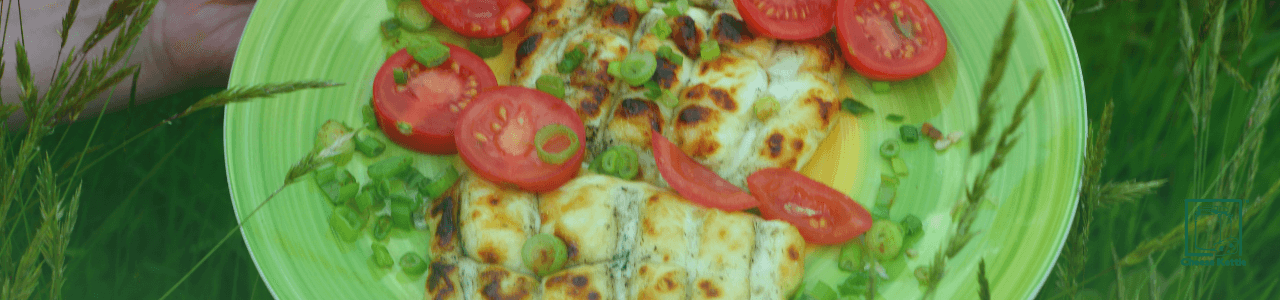
Hygiene is critical because halloumi is often eaten cooked but not fully reheated to high core temperatures, such as in fried halloumi, grilled halloumi, or quick halloumi tacos. Consumers may simply cook halloumi in a non-stick pan with olive oil over medium high heat until golden and crisp on the outside, leaving the centre warm but not hot enough to kill every microbe. That means your production hygiene and microbiological status must already be robust before the cheese is served.
The same applies when people eat halloumi in salads, sandwiches, or a warm bowl with olives, hummus, avocado, and fresh herbs. A quick drizzle of lemon juice or honey, some chilli flakes or harissa, and the dish is ready. Because these cooking methods are often super easy and quite short, any contamination from poor hygiene in the dairy can carry through to the plate.
What Microbiological Testing Program Does a Halloumi Dairy Need?
A strong testing program checks the safety of your halloumi as well as key points in production. Raw milk is tested to show incoming quality from cow’s milk or sheep’s milk suppliers. After pasteurisation and cooking, curd and whey can be sampled before the cheese is shaped and moved to brine.
Once the halloumi blocks or slices have been cooked, brined, and cooled, final product testing confirms that your process is under control. Sampling should be scheduled so that you test different batches and days, including higher risk periods such as hot summer weeks. The aim is to spot trends early and adjust; for example, a rise in coliforms may suggest a cleaning issue rather than an immediate safety failure.
| Area Tested | Purpose | Example Outcome |
|---|---|---|
| Raw milk | Check farm and transport hygiene | Stable low bacteria levels |
| Pasteurised milk | Confirm heat treatment effectiveness | Very low indicator counts |
| Finished halloumi | Verify product safety | No pathogens, low indicators |
| Brine and surfaces | Monitor plant hygiene | Clean results, stable trends |
How Do You Design Hygiene Protocols Around Halloumi’s Texture and Brine?
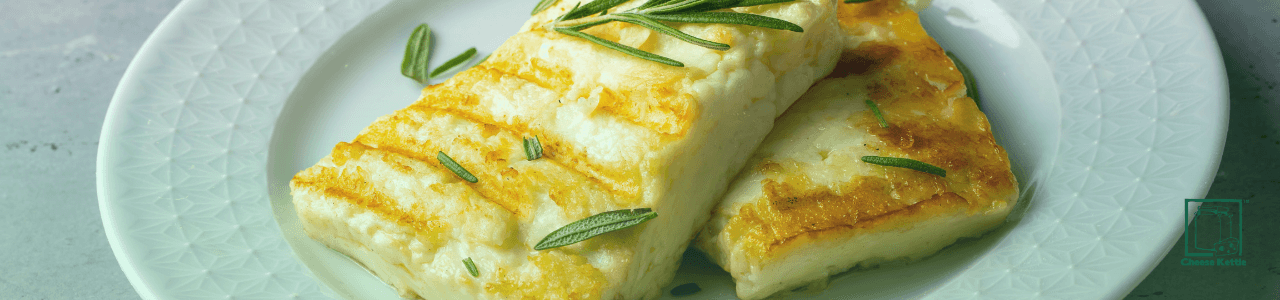
Halloumi’s unique squeaky texture and satisfying firmness come from heating and folding curd before brining. This process, along with the salty brine, makes the cheese tasty and resilient so it can be fried, grilled, or reheated without melting. However, the same moist, salty environment can support certain microbes if hygiene is weak.
To manage this, hygiene protocols must pay special attention to areas where cheese stays wet, such as brine tanks, draining racks, and cutting equipment. Stainless steel with smooth welds makes it easier to remove residues that could stick and harbour bacteria. Brine should be refreshed or filtered according to a plan, not simply topped up, so that microbial levels stay controlled.
How Can CheeseKettle Equipment Support FSANZ Compliance for Halloumi?
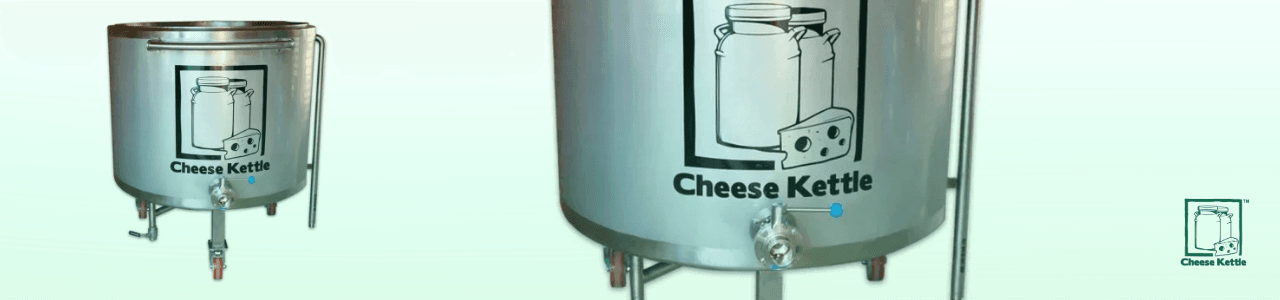
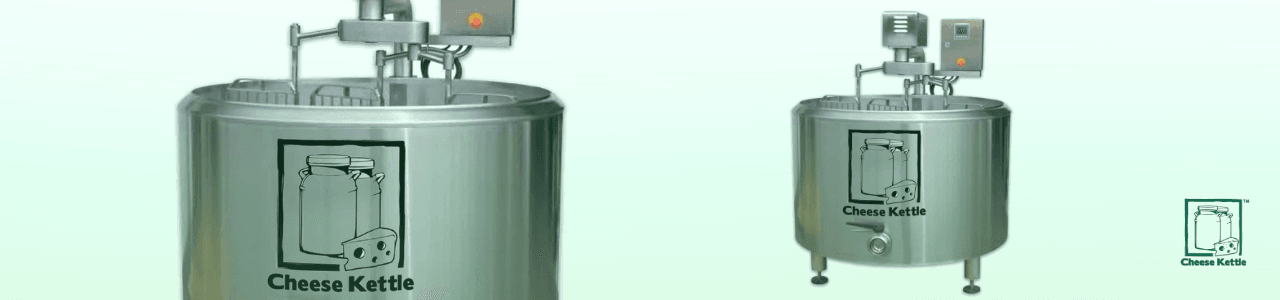
Equipment choice plays a direct role in both microbiological safety and final eating quality. The CheeseKettle 200 Ltr Cheese Making Kettle Vat, made from food‑grade stainless steel with precise heating and agitation, supports even curd cooking for halloumi. This helps you achieve the right rubbery yet meaty bite without hot or cold spots that could affect safety.
For cooling and storage, the Milk Cooling Tank with Chiller and CIP System offers controlled chilling and built‑in cleaning. Automated cleaning in place (CIP) reduces reliance on manual scrubbing, lowering the chance that residues will stick in hard‑to‑reach areas. For salting, the 500 Ltr Brine Tank provides food‑grade, corrosion‑resistant storage ideal for halloumi blocks and slices.
CheeseKettle products relevant to FSANZ‑compliant halloumi production include:
- 200 Ltr Cheese Making Kettle Vat for controlled curd cooking and shape development
- 100 Ltr Milk Pasteuriser with Chiller for small to medium batches
- 500 Ltr Brine Tank for consistent, safe brining of halloumi and similar cheese
- Milk Cooling Tank with Chiller and CIP System for hygienic cooling and storage
How Does Halloumi’s Cooking Behaviour Influence Safety Considerations?
The way customers cook halloumi at home or in food service should shape your risk thinking. Many people fry halloumi in olive oil over medium high heat until the slices become golden and crispy on the outside, then serve them hot but still soft inside. Others use grilled halloumi on skewers with vegetables and meats, or in a grilled omelette, tacos, or salads, where the cheese is grilled or fried but not fully melted.
This means your cheese must be safe before the consumer even adds it to a non-stick pan or grill. Halloumi is often served as part of vegetarian dishes, fresh bowls with avocado and mint, or shared plates with olives, hummus, salsa, and bread. A simple drizzle of lemon juice or honey over warm, charred slices makes a delicious dish, but it does not change the microbiological status of the cheese.
Common serving ideas that rely on safe halloumi include:
- Fried halloumi sandwiches with fresh herbs, chilli flakes, and a squeeze of lemon juice
- Grilled halloumi salads with olives, avocado, and a light olive oil drizzle
- Halloumi skewers with vegetables, served hot with a sweet or spicy dip like harissa or honey salsa
How Does Traditional Cypriot Halloumi Influence Modern Australian Production?
Authentic cypriot halloumi from Cyprus is traditionally made with sheep’s milk or a mix of sheep and cow’s milk, set with rennet, cooked, folded, and stored in brine. This creates the rich, salty flavour and squeaky, meaty texture that people look for when they eat halloumi or cook halloumi in a pan. Australian producers aim to honour these cooking methods and flavours while meeting modern FSANZ standards.
In practice, this means you still heat the curd to a medium temperature, fold and press it so it keeps its shape, then store it in brine until it is ready to be sliced, cooked, and served. The cheese is designed not to melt fully, so it stays firm yet tender when fried or grilled. While home cooks focus on super easy halloumi recipes, like grilled bowls or sweet and salty dishes, you focus on making sure every block is safe before it leaves your dairy.
What Practical Steps Can a Halloumi Producer Take Today?
To align with FSANZ standards, start by reviewing your current microbiological testing schedule against the risks in your process. Confirm that you sample raw milk, pasteurised milk, finished halloumi, and key surfaces. Make sure your brine is monitored regularly and replaced before microbial loads grow too high.
Next, assess your equipment for cleanability and temperature control. Consider upgrading to tanks and kettles with CIP and smooth stainless finishes if your current gear is hard to clean or traps residues. Finally, document clear hygiene routines for your team so that daily tasks such as cleaning, checking brine, and handling cooked cheese become consistent habits rather than occasional efforts.
Conclusion
Meeting FSANZ standards for halloumi is not about adding complexity for its own sake; it is about building reliable routines that keep your cheese safe while preserving the flavour, texture, and cooking performance people love in their everyday meals and delicious recipes. When your microbiological testing program, hygiene protocols, and equipment work together, you can confidently supply halloumi destined for fried, grilled, and reheated dishes across Australia.
If you are refining your halloumi line or planning a new dairy, practical support and clear guidance make a real difference. Review your testing program, hygiene practices, and equipment now so that every golden, crisp, squeaky slice your customers serve starts from a safe, well‑controlled production process.
Ready To Elevate Your Halloumi Production? Contact CheeseKettle today about the 200 Ltr Cheese Making Kettle Vat, 100 Ltr Milk Pasteuriser with Chiller, Milk Cooling Tank with Chiller and CIP System, and 500 Ltr Brine Tank to support safe, consistent, FSANZ‑aligned halloumi in your dairy.