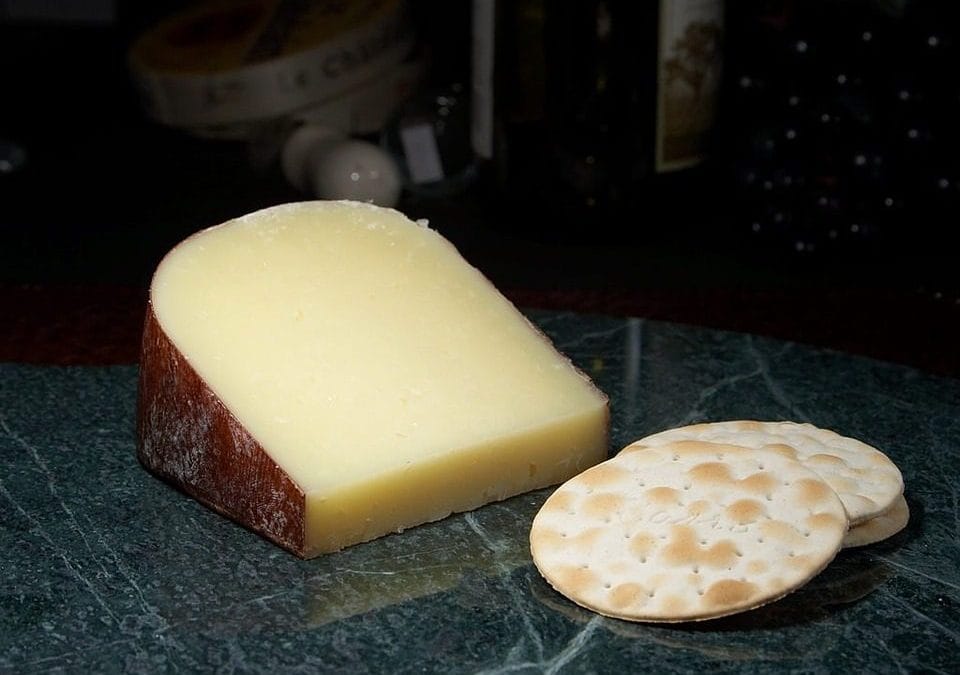
Making cheese at home is a rewarding process, and this recipe will guide you through creating Monterey Jack cheese-a mild flavored cheese originally developed in California. Monterey Jack, sometimes called jack cheese, is a semi-hard cow’s milk cheese with a gentle, slightly sweet flavor. It traces its origin to present day San Diego, where Spanish Franciscan fathers and later David Jack contributed to its development. Today, Monterrey Jack Cheese is enjoyed for its versatility and mild flavor, whether served fresh or aged for a sharper profile similar to cheddar.
Understanding Monterey Jack Cheese
Monterey Jack cheese is made primarily from cow’s milk, though goat’s milk can also be used. When aged, the cheese becomes firmer and develops a more pronounced flavor, much like cheddar. Younger jack cheese is often produced plain or with added herbs and peppers for variety. Some popular variants include Dry Jack, which is aged longer for a firmer texture and nutty flavor, and Pepper Jack, which is flavored with ingredients like garlic and peppers.
Ingredients and Equipment
Ingredients
19 L milk (cow’s milk is traditional; avoid UHT or UP milk)
3/8 tsp Bioprox M265 Mesophilic Starter Culture
½ tsp liquid animal rennet
3 tbsp cheese salt (add calcium chloride if using pasteurised milk)
18% saturated brine (optional, for brining)
Cheese wax (optional, for aging)
Equipment
Large pot
Thermometer
Curd knife
Ladle or spoon
Colander
Cheesecloth
Cheese hoop
Cheese press
Cheese Kettle offers stainless steel cheese making vats and pressing equipment suitable for making Monterey Jack cheese and other cow’s milk cheeses. These tools help ensure even temperature control and consistent curd formation, supporting both home and small-scale commercial cheese making.
Step-by-Step Instructions
Heat the milk to 32°C. Add the starter culture and let it rehydrate for 2–3 minutes. Stir gently for 1 minute.
Cover the pot and let the culture ripen for 45 minutes.
If using pasteurised milk, add calcium chloride and stir. (Skip this step if using cheese salt.)
Add the rennet while stirring the milk.
Let the curds set for 45–50 minutes.
Once set, cut the curd into 20 mm cubes.
Let the curds rest for 10 minutes, then stir gently.
Gradually raise the temperature to 38°C, stirring gently. Continue to stir occasionally for 30 minutes as the curds shrink.
Remove half of the whey. Cover the pot and let the curds rest at 38°C for 30 minutes.
Drain the curds in a cheesecloth-lined colander. If using cheese salt, mix it in now. Move the curds into a cheese hoop lined with fresh cheesecloth.
Cover the top with cheesecloth and press at 13 pounds of pressure for 1 hour.
Remove, turn, and redress the cheese. Press again at 30 pounds for 6 hours. Repeat the turning and pressing for another 6 hours.
The next day, remove the cheese from the hoop. If you haven’t salted the curds, brine the cheese. Air dry for 2–3 days, turning every 12 hours, until dry to the touch.
Wax or vacuum-seal the cheese and age at 10–12°C for at least 60 days, turning weekly. The flavor will develop further with longer aging.
Monterey Jack Cheese Variations
Dry Jack: This aged jack cheese has a firmer texture and nutty flavor, making it suitable for grating over soups and salads.
Pepper Jack: A version of Monterey Jack cheese with added peppers, garlic, and herbs for extra flavor.
Serving and Storage Suggestions
Monterey Jack cheese is versatile and can be enjoyed on its own, paired with wine, or used in dishes like nachos. Store your cheese in wax or vacuum-sealed packaging in a cool environment to maintain its quality.
Cheese Kettle Can Help
Cheese Kettle offers equipment and support for making Monterey Jack cheese, Dry Jack, and other cow’s milk cheeses. Discover our premium cheese kettles designed for efficient and consistent cheese production-visit our products page to view the full range of equipment.
Ready to make your own Monterey Jack cheese at home? We provide the tools and guidance you need to get started with cheese making, from selecting the right milk to aging your cheese for the perfect flavor.