

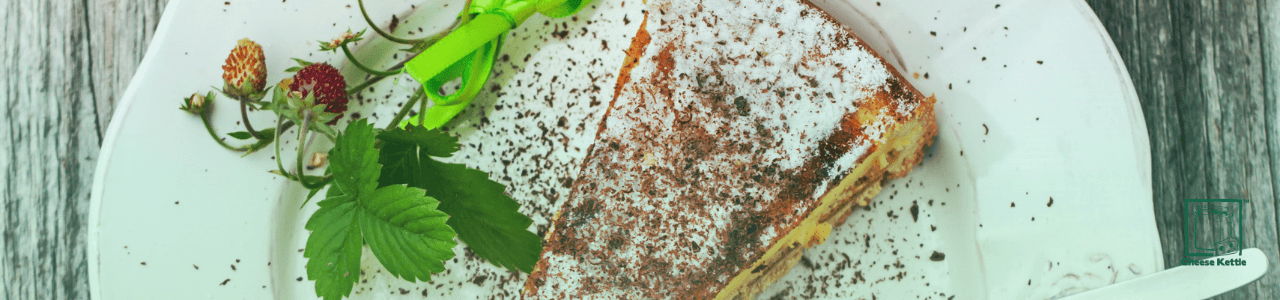
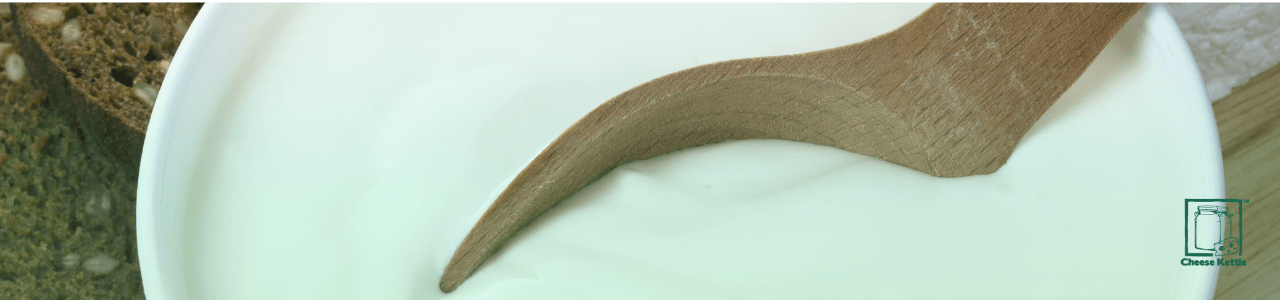
Quark in Australia is a fresh cultured cheese made from pasteurised milk, with a soft texture similar to cream cheese or thick sour cream. It often sits beside traditional quark, cottage cheese and ricotta in supermarket fridges, yet it has its own typical fat content, acidity and handling needs. To stay compliant, you must treat quark as a ready‑to‑eat food and show that your system keeps harmful particles like bacteria under control from milk intake to packed plastic tubs.
For artisan and commercial makers, this can feel as complex as a standard model in physics, but the core building blocks are simple. You define the hazards, set limits, and verify that your controls work, just as experiments confirm how fundamental particles behave.
What Are the Key Compliance Rules for Quark in Australia?
Quark makers must follow Australian food standards that set out microbiological limits, dairy processing rules, and hygiene expectations. These rules act like fundamental forces in your food safety system, pulling together milk handling, testing, and cleaning into one consistent model. They apply whether you are making a single small batch in regional Australia or supplying cultured cheese nationally.
From a compliance point of view, quark is classified as a fresh, ready‑to‑eat dairy product. That means you must show that harmful particles are either removed or kept at safe levels and that your process is under control. If you also make other cheese like cream cheese, sour cream or cottage cheese, each product still needs its own clear place in your food safety plan, rather than being treated as the same state.
Core Rules That Shape Quark Compliance
- Food standards that set microbiological limits for ready‑to‑eat dairy
- Dairy processing rules that govern pasteurisation and milk handling
- Food safety program requirements for hazard analysis and control
- Premises and equipment rules for cleanable, hygienic design
How Do Microbiological Limits Apply To Quark and Cultured Cheese?
Microbiological limits for quark and other cultured cheeses form the present standard model for what is acceptable in ready‑to‑eat dairy. They define how many microorganisms can be in your finished cheese, which organisms are not allowed at all, and what happens when results fall outside your target range. In this context, quarks occur not as elementary particles but as tiny life forms like bacteria that can grow if conditions suit them.
For soft, fresh cheeses made from pasteurised milk, typical checks cover pathogens such as Listeria monocytogenes and Salmonella, as well as indicator organisms like E. coli. The results tell you whether hygiene and process controls are working as intended. Think of them as quantum numbers for your product: each value tells you something about the state of your quark at that moment.
Typical Microbiological Focus For Quark
- Pathogens that must not be present in finished quark
- Indicator organisms that track hygiene and process consistency
- Routine checks that confirm shelf life assumptions
- Clear pass, borderline and fail brackets that guide your response
How Does Listeria Control Influence Quark Shelf Life and Safety?
Listeria monocytogenes is one of the most important organisms to control in quark because the cheese is moist, chilled and eaten fresh. The way quark carries moisture, pH and energy can either encourage or restrict growth, similar to how conditions affect protons and neutrons in atomic nuclei. If the product supports growth, your controls and shelf life must ensure that levels remain safe until the last day.
Good Listeria control involves two families of activities: prevention and verification. Prevention keeps the organism out of your process or at very low levels, while verification shows that your measures actually work. When done well, these activities combine like three quarks in a baryon, creating a stable structure that protects your brand and your customers.
Listeria Control Steps in Quark Production
- Pasteurise milk with verified time and temperature conditions
- Design pH, salt and storage temperature to limit growth
- Prevent post‑pasteurisation contamination during handling and packing
- Use product and environmental tests to verify that controls hold
What Microbiological Testing Program Is Practical for Quark Makers?
A good microbiological testing program for quark is risk‑based and realistic for your operation. It should cover raw milk, finished product, and key parts of the environment where contamination might occur. The goal is not to test every possible particle, but to focus on the combinations of organisms and locations that matter most for safety.
You can think of your testing plan as a kind of quark model for your creamery: each sample and lab result is like one of many composite particles building the bigger picture. Over time, observed trends show whether hygiene is stable, improving, or drifting. When a result moves outside your expected range, it acts like a signal that some interaction in your process needs attention.
Common Elements of a Quark Testing Program
- Raw milk tests to confirm starting quality and detect issues early
- Routine finished quark checks for key pathogens and indicators
- Environmental swabs in post‑pasteurisation and packing areas
- Clear actions for borderline and failing results, including product hold
What Hygiene and Premises Requirements Matter for Cultured Cheese?
Hygiene and premises design are fundamental to quark safety, just as fundamental particles underpin all ordinary matter. Cleanable surfaces, good drains and logical product flows make it easier to avoid contamination. When you get this right, routine cleaning and sanitation act like strong interactions, holding your system together.
For cultured cheese, special care is needed after pasteurisation. This is when quark is most vulnerable, as it has lost many protective elements from raw milk and relies on your environment to stay safe. Uncontrolled traffic, poor cleaning or damaged equipment can create unwanted bound states where microbes settle, grow, and possibly move into product.
Hygiene Priorities for Quark Facilities
- Separate raw milk and post‑pasteurisation areas with clear flows
- Install smooth, well‑sloped floors and easy‑to‑clean walls and fittings
- Use repeatable cleaning and sanitation procedures across all equipment
- Train staff in handwashing, clothing, and restricted access to high‑care zones
How Do Pasteurisation and Process Control Protect Quark?
Pasteurisation is your main defence against harmful microbial particles in milk before you create quark. It uses controlled energy in the form of heat and time to reduce or remove unwanted organisms. Once milk is pasteurised, every later step must protect this “clean slate” so that quark stays safe.
Process control then guides cooling, culture addition, fermentation and draining so that quark reaches the right mass, texture and pH. Each critical point has its own threshold, similar to how quantum chromodynamics sets rules for how quarks combine into hadrons such as mesons and baryons. If conditions move outside these safe ranges, you must act, because the product may no longer reflect the state you validated.
Key Process Controls for Quark Production
- Verified pasteurisation time and temperature combinations
- Reliable temperature monitoring and recording during heating and cooling
- Defined pH targets at stages like fermentation and final setting
- Consistent cold storage conditions for finished quark and related products
Which CheeseKettle Pasteurisers and Vats Support Quark Compliance?
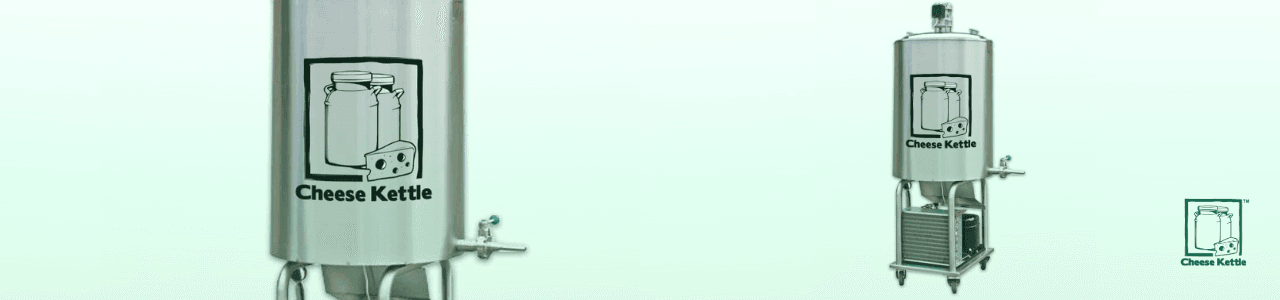
Choosing the right equipment makes microbiological control and hygiene much easier. CheeseKettle pasteurisers and vats are designed to be cleanable, precise, and reliable, so you can keep each batch in the same state from one day to the next. Their stainless‑steel construction and smooth surfaces help prevent microbes from hiding in scratches or gaps.
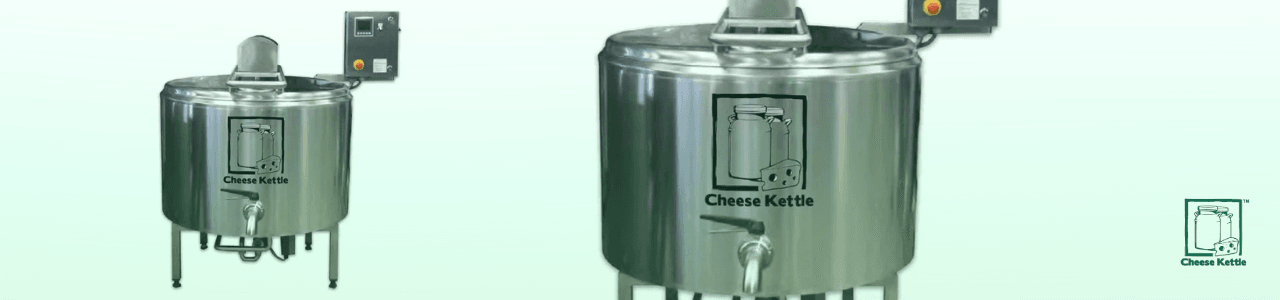
For smaller producers, the 50 Ltr Pasteurizer For Milk and 100 Ltr Milk Pasteuriser With Chiller suit artisan quark, cream cheese, sour cream and fresh dairy desserts. As your energy, volume and variety increase, the 200 Ltr Milk Pasteurizer and the Milk Pasteurization Machine With Heat Recovery System support larger runs. The 200 Ltr Cheese Making Kettle Vat is a versatile vessel for heating, holding and gently stirring milk and cream when you want flexibility across several cultured cheeses.
How Can Small and Artisan Quark Makers Build a Practical Compliance Plan?
For small and artisan makers, the challenge is to build a plan that fits real‑world constraints while still meeting regulatory expectations. Start by mapping your process from milk delivery to finished quark and related products like cream cheese, ricotta or cottage cheese. This map becomes your own standard model of how particles, steps and interactions come together in your creamery.
Next, identify where contamination could enter or grow and decide what controls you will use. These might be temperature checks, time limits, cleaning steps or product tests. Over time, you refine the plan based on observed results, focusing your efforts where they create the most value, rather than spreading more gluons and resources than you need across low‑risk areas.
Steps For a Practical Artisan Quark Plan
- Draw a simple flow diagram of your full process from milk to packed plastic tubs
- Pinpoint hazards at each step and match them with specific controls
- Set a realistic schedule for microbiological tests and equipment checks
- Review data regularly and adjust cleaning, training or equipment where patterns suggest drift
What Are the Consequences of Non‑Compliance and How Can You Reduce Risk?
Non‑compliance can lead to warnings, product holds, or recalls, which carry both financial and reputational costs. For a small business, this kind of event can feel as disruptive as a shift in the standard model of physics, especially when your brand is built on trust and quality. Customers expect that fresh cultured cheese is safe every time, and even one incident can test that belief.
Risk is reduced when you treat your food safety system as a network of linked elements rather than isolated checks. Strong pasteurisation, sound hygiene, sensible testing and suitable equipment interact like fundamental forces to keep your product stable. When people, processes and tools work together, the chance of an unseen “strange quark” event in your production drops sharply.
Conclusion: How Can CheeseKettle Help You Meet Quark Compliance Requirements?
Quark compliance in Australia rests on a clear understanding of microbiological limits, a solid hygiene foundation, and practical validation and testing. When you see each control as one of many elementary particles working together, your system becomes a strong, predictable structure rather than a loose collection of steps. That gives you confidence that your quark and other fresh cultured cheeses will stay safe throughout their shelf life.
CheeseKettle supports this with pasteurisers and vats designed for accurate temperature control, easy cleaning, and consistent performance. With the right equipment and a practical plan, you can focus on creating traditional quark, cream cheese, sour cream and other fresh dairy products that customers trust, without being overwhelmed by compliance. In that way, your creamery becomes a well‑tuned model where all the interactions work together to create safe, enjoyable cheese.
Ready To Strengthen Your Quark Compliance? Contact CheeseKettle today about the 50 Ltr Pasteurizer for Milk, 100 Ltr Milk Pasteuriser with Chiller or 200 Ltr Milk Pasteurizer to build a quark process that meets Australian microbiological and hygiene requirements while supporting your growth.