

Manchego cheese can achieve a long, reliable shelf life when storage conditions, product packaging, and hygiene are well controlled from the first curd cut through to dispatch. This firm cheese, made from sheep’s milk and known for its nutty, slightly caramel flavour, rewards careful handling at every stage. This article offers clear, practical steps for Australian producers who want to extend shelf life without losing taste, texture, or safety.
Australian conditions add extra pressures such as higher ambient heat, long transport routes, and strict expectations around ready-to-eat cheese. Producers of queso Manchego–style cheeses need to balance tradition and modern control so the cheese that reaches the cheese board is as delicious as when it left the maturation room. You will see how to manage temperature, humidity, packaging, hygiene, brining, and equipment to keep Manchego and cheeses similar in great condition.
What Determines Manchego Cheese Shelf Life?
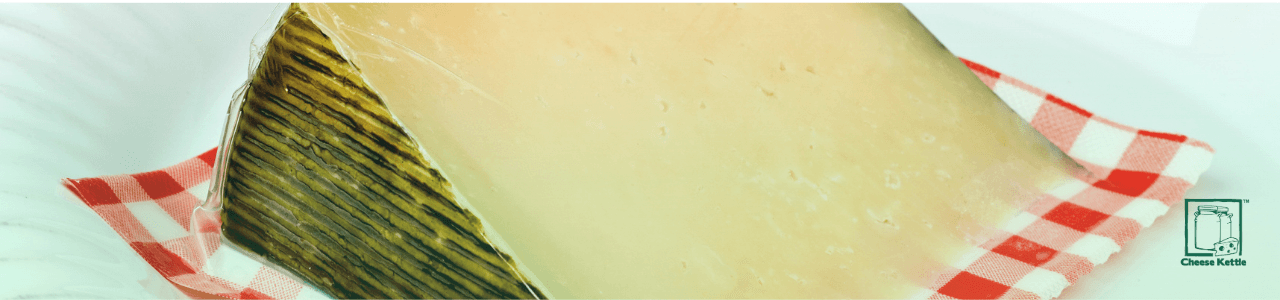
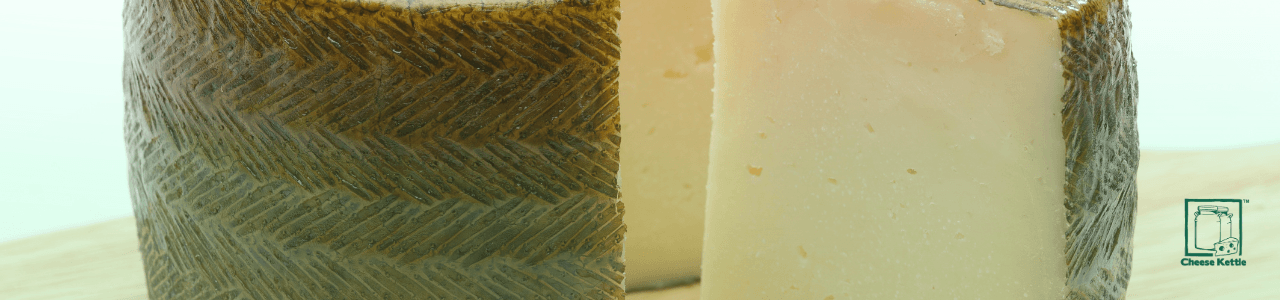
Manchego is a famous cheese from the La Mancha region of Spain, traditionally made from ewes milk from Manchega sheep and aged to develop a sweet, nutty flavour with caramel and buttery notes. It is a firm cheese, often with a creamy yet crumbly texture depending on age, and protected by a patterned rind that is usually inedible. Shelf life depends on how this structure and flavour are built and then protected from the vat to the fridge.
Different ages such as fresco, semi curado, and more aged styles have different moisture levels and textures, which change how long they can be safely and pleasantly eaten. Fresco is milder and moister, while older cheeses become drier, more crumbly, and more intense in taste, so they can usually hold quality for longer. Australian producers making milk cheese inspired by this Spanish original must define shelf life for each style, not just for “Manchego” in general.
How Should Australian Producers Store Manchego Cheese?
Manchego and related Spanish cheeses do best in cool, stable environments where temperature and humidity do not swing wildly. In practice, this means separate rooms for the maturation process and for finished-goods storage, with different targets for each stage. This approach protects both safety and the subtle flavours and textures that customers expect.
A typical flow is to dry and mature wheels at cool, cellar-like temperatures, then move them into a more stable, colder store once they reach the desired age. Finished wheels and cut pieces should then travel through a well-managed cold chain until they reach the retail fridge or foodservice cold room. Australian producers must pay special attention to transport and warehouse steps so time out of ideal conditions is as short as possible.
Why Do Temperature and Humidity Matter So Much?
Temperature is one of the strongest levers for shaping how fast Manchego continues to mature and how quickly spoilage organisms can grow. If the cheese is kept too warm, its nutty and caramel notes can turn sharp, the paste can become greasy, and shelf life will shrink. If it is kept too cold, flavours may not develop properly and the texture can become dull or brittle.
Humidity directly affects rind formation, moisture loss, and overall texture. Low humidity accelerates drying, causing cracks in the rind and a hard, sometimes crumbly interior that may be less creamy and enjoyable. Excess humidity encourages unwanted mould growth and surface moisture, which can damage the rind and increase trimming losses. Balance is essential to preserve both flavour and structure.
Typical control goals include:
| Stage | Approximate Temperature | Approximate Humidity | Main Purpose |
|---|---|---|---|
| Early Drying | Cool, cellar-like | Moderately high | Forming an even rind and losing whey |
| Main Maturation | Cool and very stable | High but controlled | Building flavour and firm texture |
| Finished Storage | Near standard fridge range | High, steady | Holding quality before dispatch |
Each site should validate these bands for its own room design, milk type, and cheese style.
How Do Packaging Choices Impact Shelf-Life?
Product packaging plays a central role in protecting Manchego from oxygen, physical damage, and contamination. Whole wheels often leave the maturation room with their traditional patterned rind intact and may be coated or wrapped for transport. Cut wedges, blocks, and grated cheese are more vulnerable and need better barriers to keep moisture in and air out.
Vacuum packing is widely used for hard and semi-hard cheeses to help extend shelf life and keep the flavour and texture stable. The choice of film thickness, seal quality, and pack size all influence how well the cheese travels and how long it stays appealing in store. Clear product labels also support safe use, helping customers read product labels easily and understand storage and serving advice.
What Hygiene Protocols Support Shelf-Life Extension?
Because Manchego is usually eaten without further cooking, hygiene standards must be consistently high. It often appears on a cheese board with meats, fruits, honey, nuts, olive oil, sherry, or wine, which means any issue with safety or quality is very visible. Clean, well-managed rooms and equipment are just as important as temperature charts.
Zoning is a key tool, separating raw milk areas from spaces where pasteurised milk and finished cheese are handled. Equipment such as vats, plastic molds, knives, and conveyors must be easy to clean and kept in good repair. Dry areas like maturation rooms also need planned cleaning so dust and debris do not build up on shelves, walls, or around the rind.
How Do Cheese Vats and Pasteurisers Support Shelf-Life?
Shelf life begins with the way milk is treated and turned into curd. Consistent heating, cooling, and curd handling help ensure that every batch of Manchego-style cheese has a similar moisture content, acidity, and texture. This makes flavour and shelf life more predictable and gives you better control over different ages of cheese.
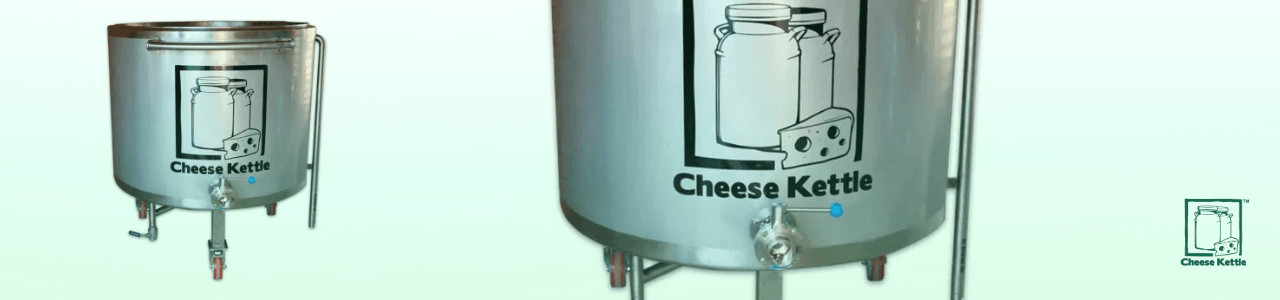
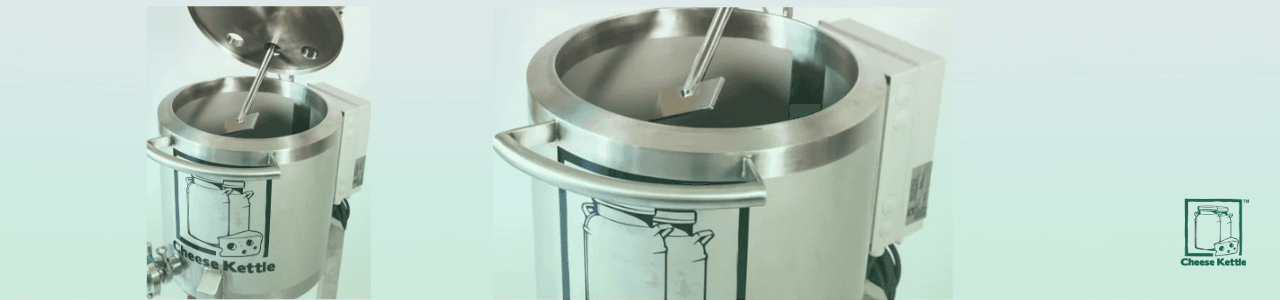
The 200 Ltr Cheese Making Kettle Vat is well suited to small and medium producers who want reliable, repeatable makes. It offers even heating through a jacketed system, strong agitation for uniform curd formation, and precise temperature controls, all of which help you manage sheep’s milk or blends for Manchego-style cheeses. The 240V Single Phase Cheese Vat provides similar benefits for sites without three-phase power, such as smaller plants in regional Australia that still want to produce high-quality Spanish-style cheeses.
How Important are Brining and Post-Brine Handling?
Salt is central to both flavour and safety in Manchego cheese. A well-run brining step gives balance: enough salt to protect the cheese and highlight its nutty, buttery, and slightly sweet flavours without overwhelming them. Poorly controlled brining can cause uneven salt distribution, rind issues, and variable shelf life between batches.
The 500 Ltr Brine Tank is designed to support consistent brining for hard and semi-hard cheeses, including Manchego-style wheels. Its food-grade, corrosion-resistant build helps maintain clean brine with reliable salt levels, which supports even rind development and predictable flavour during the maturation process. Pairing a dedicated brine tank with good drainage and handling practices strengthens both shelf life and quality.
How Do Handling and Storage Practices Help Customers?
Shelf-life extension only delivers value if cheese arrives at the table in great condition. Manchego is commonly eaten on its own or paired with meats, fruits, nuts, bread, honey, and olive oil, and it can also be grated over pasta, added to salads, or used in cooking. Clear, honest guidance helps retailers and consumers look after the cheese once it leaves your facility.
Retail partners should keep Manchego chilled in store, avoid long periods at room temperature, and rotate stock carefully. Labels can explain that the rind is inedible, recommend storing opened pieces in the fridge wrapped in breathable material, and suggest how long opened packs can be safely enjoyed. Simple pairings and serving suggestions add value and support purchasing decisions.
How Does Origin and Tradition Fit into Shelf-Life Decisions?
Manchego has deep roots in central Spain, with its origin in the La Mancha region of the Iberian Peninsula, an area also linked to Don Quixote. Within the European Union, authentic Manchego made from the milk of Manchega sheep under defined conditions carries a denominación de origen seal. This link between region, milk, and method shapes expectations about taste, texture, rind appearance, and even product labels.
Australian producers creating cheeses similar to Manchego can honour these traditions while tailoring processes to local milk, climate, and regulations. Decisions around pasteurised versus raw milk, different ages such as fresco or semi curado, and intended uses like grating, cooking, or cheese board service all influence shelf life. Producers should be ready to share clear information about style, age, and recommended use so customers can choose the right cheese for their needs.
Conclusion
Extending the shelf life of Manchego cheese and related sheep’s milk cheeses in Australia depends on a balanced mix of process control, storage discipline, and smart equipment choices. Careful management of temperature, humidity, brining, hygiene, and packaging helps safeguard the nutty, sweet, slightly caramel flavour and distinctive texture that make this Spanish-style cheese so appealing.
Producers can start by checking current room conditions, reviewing cleaning records, and ensuring product labels answer common questions about storage, serving, and origin. If customers or trade partners require specific information about cheese styles, ingredients, or handling, make sure your contact details are easy to find so they can get straight answers that support confident purchasing decisions.
Ready to strengthen your Manchego-style production from milk to finished wheel? Contact CheeseKettle today to talk about the 200 Ltr Cheese Making Kettle Vat, 240V Single Phase Cheese Vat, and 500 Ltr Brine Tank, and see how the right equipment can support stable shelf life and reliable quality for your Spanish-style cheeses.