Blogs

BLOGS
Latest BLOGS

Milk Vat or Cheese Vat: Equipment Requirements for Coagulation, Curd Cutting and Whey Drainage

November 20, 2026

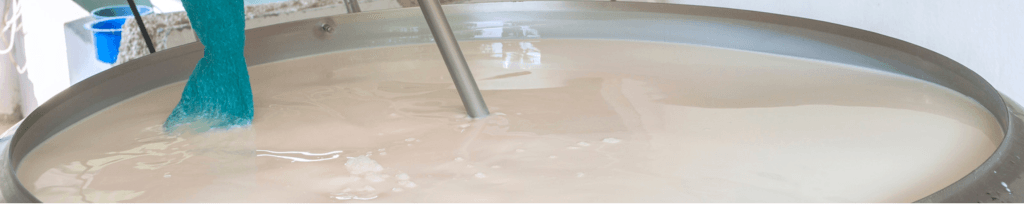
A milk vat suits cheese production when its design supports coagulation, curd cutting and whey drainage as well as handling milk. The vat needs controlled heat and cooling, clear cutting access and an outlet that drains whey without making curd handling difficult. These equipment requirements affect how easily you follow the process from rennet addition…

Read More
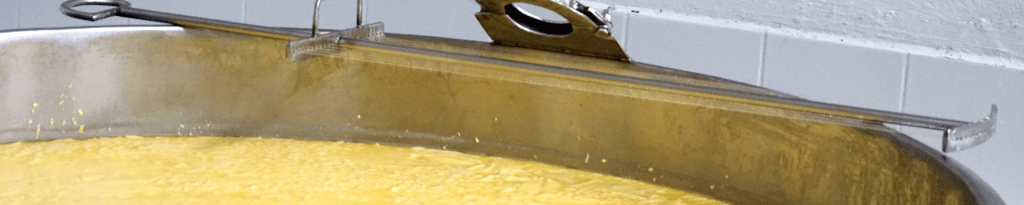
Choosing a Cheese Vat When Three-Phase Power Is Not Available

November 20, 2026

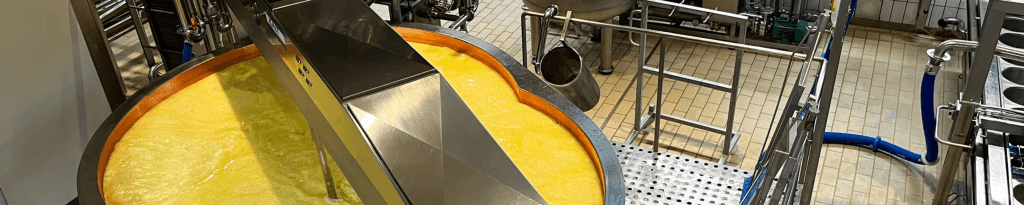
A cheese vat for a site without three-phase power should be chosen around the single-phase supply that is actually available. The cheese vat’s heating method, milk batch size and other powered equipment must all fit that supply. This matters because a cheese vat drawing more power than the site provides requires electrical work or a…

Read More

Scaling Cheese Production from 50 to 200 Litres: Cheese Vat Capacity, Heating Time and Workflow Planning

November 13, 2026

Scaling a cheese vat from 50 to 200 litres means planning the whole cheese making process around four times the milk volume. Usable capacity, heating time, curd cutting access, whey handling and cleaning all become part of the cheese production decision. You need the larger batch to move through each production process stage without delaying…

Read More

Improving Curd Uniformity Without Shattering the Coagulum: Curd Cutter Selection and Technique

November 13, 2026

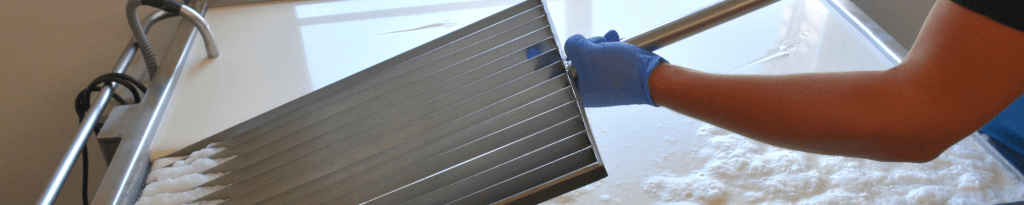
A curd cutter improves uniformity when cutter selection and cutting technique work together. Match the tool to the target cheese curd size, wait for a clean set, and use smooth planned passes. This keeps more curd near the same size and reduces small broken fragments in the whey. Uniform curd gives you more consistent whey…

Read More

Turning Surplus Cream into Butter: Production Planning for Small Cheese Dairies

November 6, 2026

A butter churner gives surplus cream a planned use when cheese production leaves more cream than you sell fresh. Build the butter schedule from the cream you regularly have, the butter churner’s working batch size, and the time needed for draining, washing, packing and cleaning. This keeps the butter-making process from crowding cheese makes or…

Read More

Reducing Curd Fines and Fat Loss by Selecting the Right Cheese Harp Wire Spacing

October 30, 2026

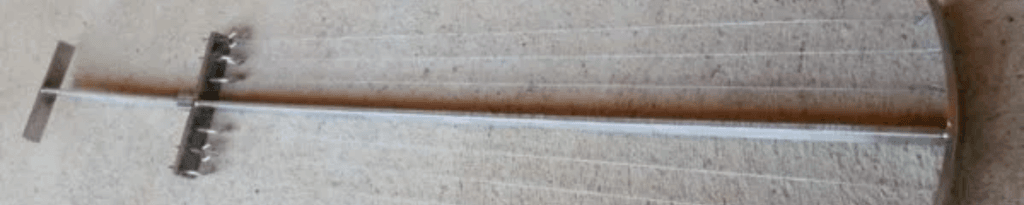
Choose cheese harp wire spacing from the curd size your cheese recipe requires. Closer wire spacing produces a smaller first cut, while wider spacing leaves larger curd pieces. Matching the spacing to the intended curd size reduces unnecessary cutting. Fewer passes with the curd cutter help keep fragile curd from breaking into fines and carrying…

Read More

Solving Uneven Cheese Pressing Across Multiple Moulds with a Gravity Cheese Press

October 30, 2026

A gravity cheese press gives you a repeatable way to load several moulds when every pressing position starts from the same setup. Uneven cheese pressing usually comes from differences in curd fill, mould position, press-arm setup or mould height. Even pressure matters because one weak or heavy position changes whey loss and finished cheese shape…

Read More

Choosing Cheese Press Capacity for Different Mould Sizes and Production Volumes

October 22, 2026

Choosing cheese press capacity starts with the moulds, cheese hoops or cheese baskets you use and the number of cheeses you press at the same time. A suitable press must provide the right amount of weight for your largest mould while holding every cheese from the batch that reaches the press together. This keeps your…

Read More

Fixing Uneven Salt Uptake in Cheese: Brine Tank Circulation, Strength and Temperature Control

October 22, 2026

Uneven salt uptake starts when cheeses spend the same brining time in brine that is not uniform around them. Control circulation, salt strength and temperature before each brining cycle. Consistent tank conditions create the same starting point for every cheese. Brine Tank Circulation Must Reach the Whole Cheese Load The brine tank circulation system should…

Read More

Preventing Temperature Drift and Cleaning Delays with a Stainless Steel Milk Tank

October 15, 2026

Control milk temperature and cut cleaning delays with a stainless-steel milk tank sized for your milk load, milk cooling duty and documented cleaning cycle. A stainless-steel milk tank holds milk temperature more reliably when its chiller matches the incoming milk load and its insulation limits heat gain. Cleaning moves faster when milk residue is removed…

Read More

Sizing a Stainless Steel Milk Tank for Daily Cheese Production and Batch Scheduling

October 15, 2026

A stainless-steel milk tank should hold the greatest milk volume waiting between milking and the next cheese batch. Size it from your real daily milk flow, batch timetable, temperature control needs and clean-down window. This keeps milk storage matched to production without forcing you to hold more milk than your process needs. Daily Milk Volume…

Read More

Raw Milk Cooling Before Cheesemaking: Choosing a Milk Tank with the Right Chilling and Cleaning Setup

October 9, 2026

Raw milk should enter a milk tank that provides rapid cooling to the temperature set in your food safety program and holds it there until cheesemaking starts. The chiller and cooling systems must suit your milk volume, starting temperature and filling pattern. Your cleaning setup matters just as much as milk cooling. Milk residue left…

Read More

Your Stainless Steel Partner

From kettles to pasteurisers, we’ve got you covered. 
Explore our comprehensive range of professional equipment.

    Find Us

    We are here for your! How can we help?

    Product Enquiry