
A stainless-steel milk tank should hold the greatest milk volume waiting between milking and the next cheese batch. Size it from your real daily milk flow, batch timetable, temperature control needs and clean-down window. This keeps milk storage matched to production without forcing you to hold more milk than your process needs.
Daily Milk Volume Sets the Starting Tank Capacity
Daily milk volume sets the starting capacity for a stainless steel milk tank. Add each milk arrival that reaches the tank before the next planned transfer to the cheese vat. Use the highest stored balance as your first sizing figure.
Production Pattern | What The Tank Must Hold |
|---|---|
Milk moves to the vat after each milking | The milk collected between milking and that transfer |
Two milkings are held before the first make | The combined milk from both milkings |
Stored milk feeds several cheese batches | The full amount waiting before the first batch, then the balance left after each draw |
New milk arrives before stored milk is fully used | The remaining stored milk plus the new incoming milk |
Record these volumes from your own milk sheets. Daily production total matters for scheduling, while stainless steel milk tank size comes from the highest balance held at one time.
Cheese Output Must Be Converted to Milk Volume Before Sizing
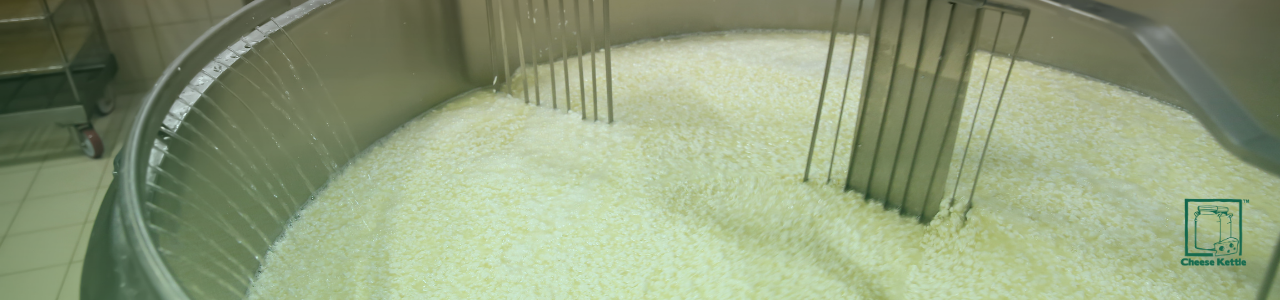
Cheese output must be converted to milk volume before you choose tank capacity. Use your own production records to link each planned cheese batch to the litres of milk actually used. A kilogram target cannot determine milk storage capacity because milk use differs between dairy products and recipes. Build the milk requirement from production records:
Record the litres used in each standard batch
Match those litres to each make scheduled for the day
Mark which batches draw fresh milk, and which draw stored milk
Add any confirmed production increase as litres of milk
This gives you a milk storage schedule that the tank can be sized against.
Batch Timing Sets the Highest Milk Volume in Storage
Batch timing sets the highest milk volume in storage at any point in the day. Build a simple running balance from every milk delivery and transfer in the process.
Write down when each milking or milk delivery reaches the tank.
Write down when each cheese batch draws milk from the tank.
Add each incoming volume to the running balance.
Subtract each transfer to the vat.
Mark the highest balance reached before the tank starts to draw down.
When the next milk arrival overlaps with an unfinished cheese schedule, include both volumes in the balance. That overlap is the storage capacity your tank must handle.
Tank-To-Vat Transfers Change the Required Holding Volume
Tank-to-vat transfer patterns change how much milk must remain in the tank after each draw. Match stainless steel tanks to the way your vat batches actually use stored milk.
Transfer Pattern | Sizing Effect |
|---|---|
One stored load feeds one cheese batch | The tank holds the milk gathered before that single transfer |
One stored load is split across several batches | The tank must hold the starting load and retain the unused balance between batches |
New milk arrives between cheese batches | The tank balance rises again before the next draw |
A schedule that draws the tank down early carries less milk through the day. Choose the tank capacity from the transfer pattern you actually plan to run.
Separate Milk Streams Need Separate Holding Capacity
Separate milk streams need their own storage capacity when your food safety plan requires separation. Combining daily litres hides when one raw milk stream fills a tank while another is still waiting for processing. For raw milk cheese, Standard 4.2.4 requires that milk stay separate from milk intended for other dairy products. Map each stream independently, then record the highest balance for each one. This shows whether one tank suits the schedule or overlapping streams need separate milk storage tanks.
Peak Milk Days Need Spare Tank Capacity
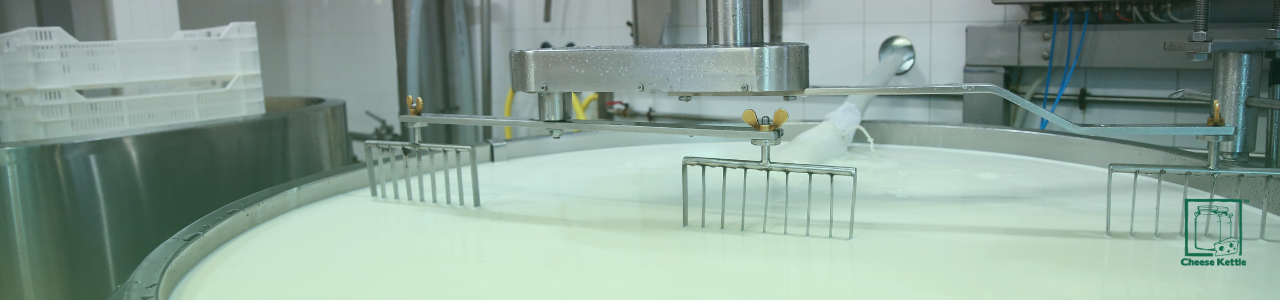
Peak milk days need spare tank capacity above the normal daily balance. Use your highest recorded milk volumes and any confirmed production growth to set that reserve. Seasonal changes on dairy farms matter because the busiest milk day sets a harder storage test than the average day. Check your own records for:
The highest daily milk volume
The highest volume from one milking or delivery
Planned herd changes already in your production plan
Confirmed extra milk from another approved source
Periods when milk intake stays high while cheese production is reduced
Set the reserve directly from those recorded and planned volumes. This keeps the capacity decision tied to milk you expect to handle.
Tank Fill Levels Must Suit Cooling and Agitation
The amount you hold in stainless steel milk tanks must keep the cooling area, temperature probe and agitator working as intended. Confirm the equipment specifications for normal fill levels before treating labelled tank capacity as your daily working volume. Check both your smallest and largest routine fills:
The temperature probe stays in the milk at the smallest planned load
The agitator reaches enough milk to mix the tank before transfer, where one is fitted
The cooling system operates within the intended milk level
Enough space remains above the milk for mixing without splashing or contamination
The outlet gives clear access to drain the planned batch volume
A tank sized only for peak days becomes awkward on small production days when fitted systems expect a deeper milk level. Test both ends of your planned fill range before finalising the setup.

Cooling Capacity Must Match Milk Arrival and Hold Time
Cooling capacity must match the warmest and largest milk load arriving before processing. Tank litres alone do not show whether cooling systems keep up with your milk storage schedule. Match temperature control to incoming volume, milk temperature and the time available before the next batch.
Your holding schedule also needs to match Food Standards Australia New Zealand’s Standard 4.2.4 and your documented dairy food safety program. For raw milk cheese, the standard requires cooling to no more than 6°C within two hours and storage at 5°C or below. It also allows a documented alternative to the two-hour cooling method.
Cleaning Time Must Fit Between Emptying and Refill
Cleaning time must fit between emptying the stainless-steel milk tank and the next milk arrival. Include the full cleaning and sanitation window when you test whether the tank schedule works across the day.
Mark the time the final milk transfer finishes.
Allow the time required by your cleaning and sanitising procedure.
Include draining and preparation before the next fill.
Mark the next milking or milk delivery.
Revise the batch timetable if the cleaning window overlaps with incoming milk.
Your documented cleaning procedure sets the turnaround time required before refill. Include that time when comparing tank capacity with the number of cheese batches you plan to run.
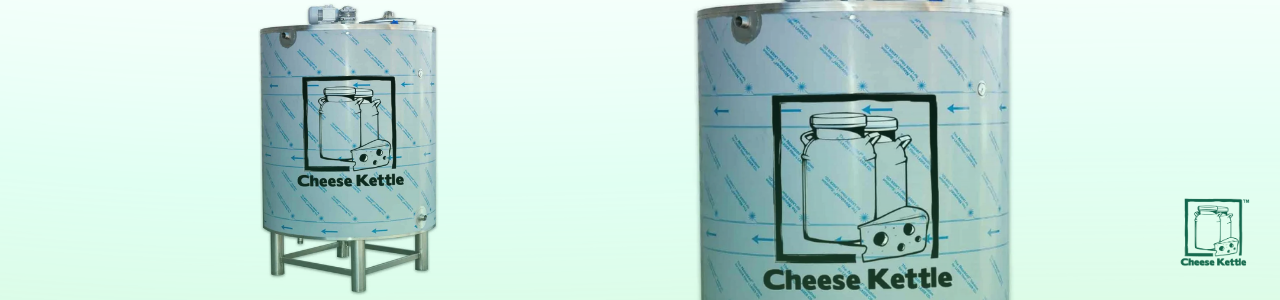
Our Cheese Kettle 400 Ltr Stainless Steel Milk Tank for Daily Batches
We build the Cheese Kettle 400 Ltr Stainless Steel Milk Tank to order for dairies holding milk before collection or processing. Its insulation helps limit temperature change, and cooling is matched to the required milk volume and temperature.
Contact us to order a 400 Ltr Stainless Steel Milk Tank sized around your daily milk flow and batch schedule.
Questions About Stainless Steel Milk Tank Sizing
Stainless steel milk tank sizing also depends on planned production growth and the space available around the tank. Check before finalising capacity.
Growth | Should I Allow for Future Milk Volume?
Allow for future milk volume where the increase is part of your production plan. Convert that planned growth into litres per milking and add it to your busiest-day tank balance.
Layout | Does Floor Space Affect the Tank Size I Choose?
Floor space affects which tank capacity is practical because you need access for filling, transfer, inspection and cleaning. Check tank dimensions, lid access and outlet position against your site before you lock in capacity.
Cooling | Does Temperature Control Reduce Bacterial Growth?
Good temperature control reduces bacterial growth by keeping raw milk at the temperature required in your food safety program. Cooling systems in the dairy industry need enough capacity for the milk volume and timing of each fill.
Maintenance | Does A Milk Tank Need Minimal Maintenance?
Minimal maintenance still includes routine cleaning, inspection and servicing as part of modern dairy operations. Following the tank’s cleaning and maintenance schedule supports reliable use and a long service life.
Allow for future milk volume where the increase is part of your production plan. Convert that planned growth into litres per milking and add it to your busiest-day tank balance.
Floor space affects which tank capacity is practical because you need access for filling, transfer, inspection and cleaning. Check tank dimensions, lid access and outlet position against your site before you lock in capacity.
Good temperature control reduces bacterial growth by keeping raw milk at the temperature required in your food safety program. Cooling systems in the dairy industry need enough capacity for the milk volume and timing of each fill.
Minimal maintenance still includes routine cleaning, inspection and servicing as part of modern dairy operations. Following the tank’s cleaning and maintenance schedule supports reliable use and a long service life.