
A gravity cheese press gives you a repeatable way to load several moulds when every pressing position starts from the same setup. Uneven cheese pressing usually comes from differences in curd fill, mould position, press-arm setup or mould height. Even pressure matters because one weak or heavy position changes whey loss and finished cheese shape within the same batch. Treat every pressing station as a separate setup that must match the others.
Equal Mould Fill Creates Equal Starting Conditions
Equal mould fill gives each cheese the same amount of curd to compress under pressure. If one mould starts fuller, its follower sits at a different height, and the same cheese press setup gives a different result.
Keep these points consistent across the batch:
Use the same mould size for cheeses sharing one pressing setting
Fill each mould to the same target weight from your make sheet
Level the curd before fitting the follower
Fit cloths and followers the same way on every mould
Check each mould base sits flat before pressure is applied
Matched Press Arms Keep Each Mould Under the Same Load
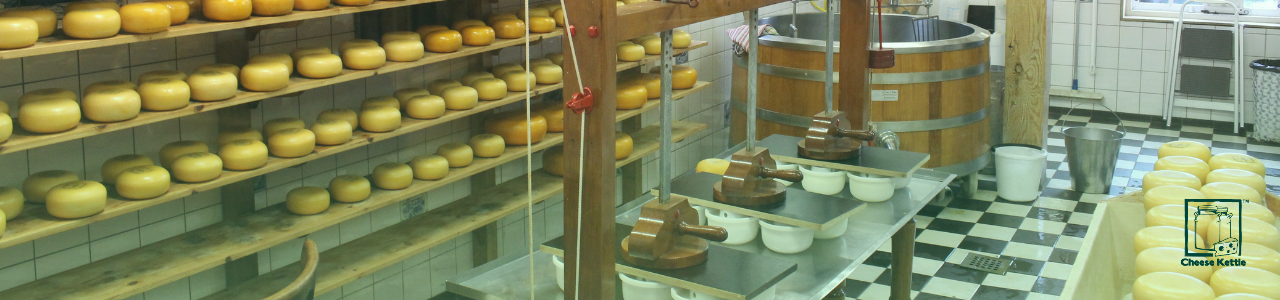
Matched press arms keep the applied pressure consistent from one station to the next. The same weights give a different load if their position along the press arm changes.
Set every station in the same order:
Place the mould centrally under the pressing point.
Set the press arm at the same starting position.
Add the specified weights for that pressing stage.
Place the weights at the same marked position on each arm.
Recheck the arm after the cheese begins to settle.
A permanent mark on each arm gives you an easy reference during busy makes.
Centred Moulds Keep Pressure Straight Through the Cheese
Centred moulds keep pressure travelling straight through the follower and cheese. An off-centre mould can tilt the follower and press one side harder.
Before adding full load, check:
The mould sits flat on the shelf or whey plate
The follower sits flat inside the mould
The pressing point meets the centre of the follower
The mould stays upright as whey begins to drain
If a mould starts leaning, remove the pressure and reset it before continuing the pressing stage.
Mould Height Must Stay Consistent as the Batch Settles
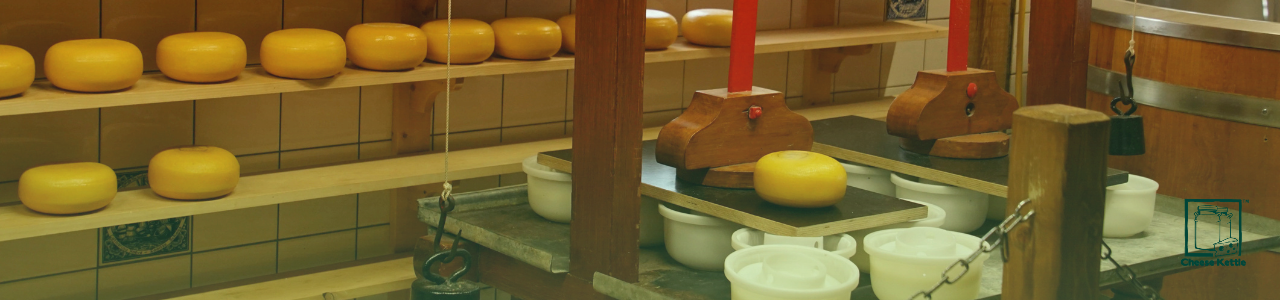
Mould height affects how each press arm sits as the cheese settles. Different mould heights, followers or curd fill depths change the arm position and make pressure control harder. Use one mould and follower combination for cheeses sharing the same setting. Where cheese baskets, a cheese hoop or other mould sizes differ, place them in stations that can be set independently. Check arm positions again after the first whey drains and the curd settles. Reset any mould that has moved off centre before increasing the pressure.
Gradual Weight Changes Keep the Whole Batch Together
Gradual weight changes keep every mould moving through the same cheese pressing stages. Follow your cheese recipe and increase the pressure in the same steps across all matching moulds. Record the main checks for each stage:
Pressing Check | What To Record |
|---|---|
Start | Weights fitted to each station |
Weight position | Mark used on each press arm |
Mould position | Any mould reset |
End | Cheese turned or rewrapped |
Next stage | New weight and start time |
If one cheese looks different, check its fill, alignment and follower position before changing the applied load.
Mould Rotation Helps Average Small Position Differences
Mould rotation helps spread small station differences across a batch when your recipe includes several pressing cycles. Move moulds between positions after turning or rewrapping the cheese. Use one repeatable rotation pattern. Simply move each mould one station along, then centre it correctly before adding the next load. Record mould positions while troubleshooting. If you find the same problem at one position with different moulds, inspect that press station before the next make.
Clean Pressing Surfaces Help Moulds Sit Flat
Clean pressing surfaces help moulds and followers sit flat at every station. Dried curd, whey residue or a loose part under one mould can make the base sit unevenly under pressure. Clean and inspect whey-contact and food-contact parts after use. Food Standards Australia New Zealand requires food-contact equipment surfaces to be effectively cleanable under Standard 3.2.3.
Before the next batch, check for:
Residue under mould bases and followers
Bent shelves or loose fittings
Weight hangers that do not move freely
Press arms that no longer return to the same resting position

Our Cheese Kettle Commercial Mechanical Gravity Cheese Press Even Load
We build the Cheese Kettle Commercial Mechanical Gravity Cheese Press to order for multi-mould pressing. Adjustable weights help control the load, while modular pressing stations let you arrange several moulds as separate positions.
Contact us to order a Commercial Mechanical Gravity Cheese Press set up for your mould sizes and batch layout.
Cheese Press Questions About Multi-Mould Pressing
Cheese Press | Can Different Cheese Sizes Press at the Same Time?
Different cheese sizes can share a pressing run on commercial cheese presses when each station is set independently for its mould and required pressure. Check how each mould, follower and base sit in the device before pressing different sizes together.
Cheese Press | How Do I Find a Problem Pressing Station?
Find a problem pressing station by moving moulds between positions over several pressing cycles and recording the result. Notice whether the problem follows the mould or stays at the same station, then check the arm, shelf and connection points. If your press design uses a spring, include it in the check. A clear picture of the setup and the instructions provided on the supplier’s site or product page can help you compare each position.