Blogs

BLOGS
Latest BLOGS

Mascarpone Cooling and Filling Guide: How to Protect Texture During Packing

August 28, 2026

Mascarpone cheese needs rapid, controlled cooling and gentle handling after heat treatment to keep its soft, smooth and creamy texture during packing. Once the mixture has thickened to the right consistency, unnecessary stirring, pumping or delays before filling can lead to whey separation, a grainy texture or an uneven finish. Whether you make homemade mascarpone…

Read More


Monterey Jack Cheese Moisture Control: How Stirring, Washing, and Pressing Affect Final Texture

August 21, 2026

Monterey Jack cheese moisture is controlled long before the cheese enters the press. How you stir the curds, wash them and apply pressure determines whether the finished cheese has a smooth body, mild flavour and clean slice or becomes too soft, too firm or uneven. For makers using pasteurized cow’s milk or fresh cow’s milk,…

Read More

Butter Churner Cleaning SOP: Step-by-Step Washdown, Sanitising, and Inspection Checks

August 21, 2026

A clean butter churner helps protect the taste, texture and quality of fresh butter. Whether you make homemade butter from heavy cream in a glass jar or produce larger batches with a powered butter churner, wash the equipment straight after use. Cream, butter milk and buttermilk can remain inside the churn, around paddles, under the…

Read More

Cottage Cheese Cream Dressing: Equipment and Process Tips for Consistent Final Texture

August 14, 2026

A consistent cottage cheese cream dressing starts with clean curds, controlled moisture and gentle mixing. The aim is soft, separate curds coated evenly in a creamy mixture, with little free liquid in the finished bowl or tub. This matters whether you make small batches from fresh skim milk or manage a commercial dairy process using…

Read More

Haloumi Cooling and Storage Guide: How to Protect Texture After Cooking and Brining

August 14, 2026

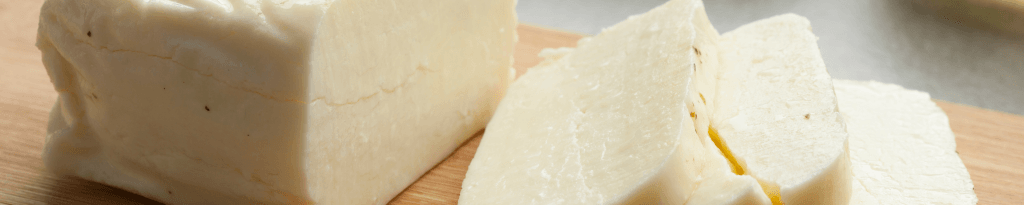
Haloumi needs careful cooling, brining and refrigerated storage to keep its firm, springy texture after cooking. Whether your cheese is made with cow’s milk, goat milk, sheep milk or a combination, the aim is the same: hold moisture, manage salt, and avoid turning a good batch rubbery, dry or overly salty. For Australian cheese makers,…

Read More

Swiss-Style Cheese Production: How to Manage Warm Room Fermentation in Small Facilities

August 7, 2026

Warm room fermentation is the stage in Swiss-style cheese production where you give the cheese time, heat and humidity to develop its nutty flavour, eyes and smooth, dense texture. In a small Australian facility, you can manage this phase with simple, consistent routines rather than complex infrastructure, while still honouring traditional Swiss cheese techniques adapted…

Read More

Small-Batch Raclette Production: Washed-Rind Handling, Brining, and Ageing Room Setup

August 7, 2026

Small batch raclette works when you manage the rind, salt, and ageing room with the same care you give the table when you are serving melted cheese over boiled potatoes, cured meats, and pickled onions. This style of raclette cheese needs a steady process from cow’s milk to finished wheel so that it melts cleanly…

Read More

How to Build a Brining Workflow for Halloumi: Tank Setup, Salt Control, and Batch Rotation

July 31, 2026

A reliable halloumi brining workflow combines a suitable food-grade tank, a consistent brine recipe, regular salt and temperature checks, and a clear batch rotation system. These controls help each block of halloumi cheese develop a consistent salty flavour, moisture level and characteristic texture. Brining is an important part of halloumi production. Small changes in concentration,…

Read More

Edam Brining Control: Salt Uptake, Time, Temperature, and Batch Consistency

July 31, 2026

Edam brining control affects the salt level, rind, flavour and texture of the finished cheese. Small changes in brine temperature, salinity, wheel size or immersion time can produce different results across batches. For artisan and commercial cheese makers, recording these conditions helps create a more consistent process as production volumes increase. Salt Movement in Edam…

Read More

Mascarpone Shelf-Life Management: Cooling, Filling, and Cold Chain Controls

July 24, 2026

Mascarpone shelf-life hinges on how gently you cool it, how cleanly you fill it, and how reliably you keep it cold. When these steps work together, your mascarpone cheese stays smooth, rich and delicious for longer, whether it is going into tiramisu, cheesecakes, fresh fruit desserts or savoury dishes like creamy pasta. For Australian artisan…

Read More

Paneer Cooling and Storage: How to Protect Texture, Safety, and Shelf Life

July 24, 2026

Paneer cooling and storage are all about moving quickly from heat to safe cold temperatures while protecting texture, flavour, and shelf life. For an Australian dairy or cheese room, that means planning your workflow so pressing, cutting into clean paneer cubes, and transferring to chilled storage happen without delays. When you get this right, paneer…

Read More

Fresh Mozzarella Shelf-Life Management: Cooling, Brining, and Packaging Tips

July 21, 2026

Fresh mozzarella is a delicately flavoured fresh cheese with high moisture, a soft texture, and a milky taste, which makes shelf-life management a daily priority. Unlike harder cheeses, this stretched curd style is meant to be enjoyed freshly, whether in a classic caprese salad, simple salads with basil and olives, or baked dishes like pizza…

Read More

Your Stainless Steel Partner

From kettles to pasteurisers, we’ve got you covered. 
Explore our comprehensive range of professional equipment.

    Find Us

    We are here for your! How can we help?

    Product Enquiry