
A milk vat suits cheese production when its design supports coagulation, curd cutting and whey drainage as well as handling milk. The vat needs controlled heat and cooling, clear cutting access and an outlet that drains whey without making curd handling difficult. These equipment requirements affect how easily you follow the process from rennet addition through to drained curd. The milk vat also needs sanitary design, accessible surfaces and fittings you can clean after every batch to maintain dairy hygiene.
Milk Vat Features Must Cover The Whole Cheese Make
A milk vat used for cheese production must remain practical after the milk sets into curd. Before choosing new equipment for a dairy farm or processing plant, check each stage of the process against the vat.
Stage | Equipment requirement | What to check |
|---|---|---|
Milk preparation | Controlled heating, cooling and mixing | The milk reaches the required temperature and mixes evenly |
Coagulation | Still milk at the required temperature | The agitator stops completely and the vat holds the required temperature |
Curd cutting | Clear access through the curd | Covers open and the agitator moves clear of the cutting path |
Curd stirring | Controlled movement after cutting | The agitator works at the speed required by your recipe |
Whey drainage | Controlled flow from the vat | The outlet is accessible and curd stays where your process requires |
Cleaning | Access to every surface touching food | The vat, agitator, outlet, covers and tools are accessible |
A bulk tank or storage tank intended mainly for cooling, storing or heating liquid milk does not automatically work as a cheese vat. Fixed fittings, restricted top access or an unsuitable outlet become important once the milk changes into set curd.
Coagulation Needs Steady Temperature And Still Milk
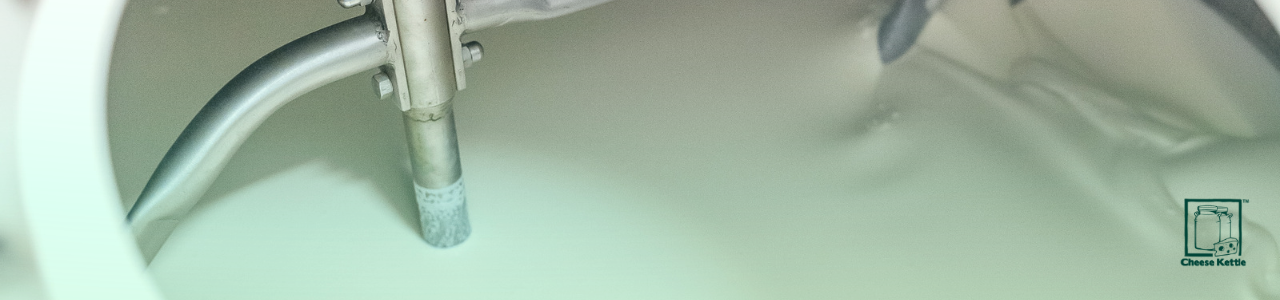
Coagulation needs a milk vat that holds the recipe temperature while the milk remains still. Heating, cooling, mixing and temperature checking must all work across your normal batch range. A heating and cooling jacket around the sides and base transfers heat across a broad area of the vessel. The temperature probe must remain in the milk throughout the batch size you plan to produce. Check these points before setting the curd:
Mix the milk as required before adding rennet so the batch is at an even temperature.
Position the temperature probe where you can test the milk temperature during the set.
Stop the agitator according to your recipe before the curd forms around moving parts.
Set heating controls so the vat does not keep pushing the batch past your required temperature.
Close the cover where your process calls for it, while keeping the vat ready for the next stage.
The vat also needs enough space above the milk for normal movement before the set. Filling too close to the top leaves little working room when you later cut and stir the curd.
Agitator Must Move Clear Before Curd Cutting
The agitator must leave a clear path through the set curd before cutting starts. A shaft or paddle left in the cutting area stops the harp travelling through the whole curd mass. A movable, lifting or removable agitator gives you access through the centre of the vat. Its parked position also needs to stay clear of your hands, covers and curd-cutting equipment. Use this sequence when checking the layout:
Mix the milk as required before the set.
Stop the agitator at the point specified by your cheese process.
Move or lift the agitator clear without dragging it through firm curd.
Open or remove the required cover sections.
Check that your cutting tools now have an uninterrupted path across the vat.
The agitator arrangement still needs to work after cutting because many cheese production processes require controlled curd mixing. Variable speed gives you more control when movement changes between liquid milk and cut curd.
Curd Cutting Needs Full-Width And Full-Depth Access
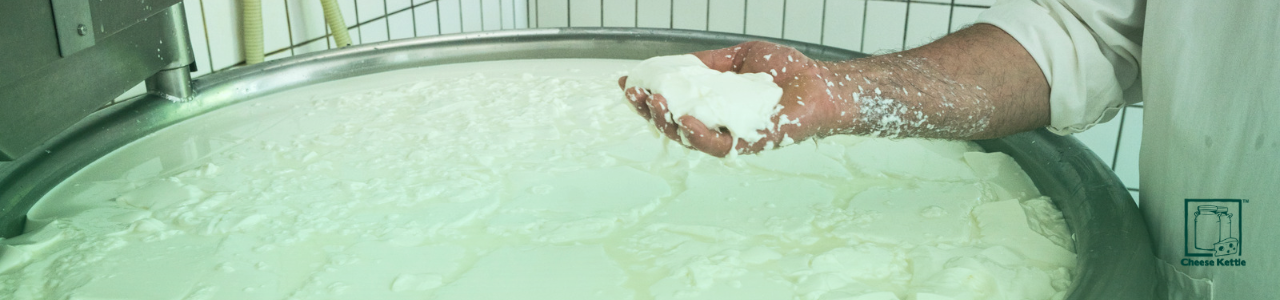
Curd cutting needs tools that reach the sides and base while travelling cleanly through the milk vat. The top opening, covers, agitator and cheese vat dimensions all determine whether you reach the complete curd mass. A vertical and horizontal harp pair cuts in opposing directions where that combination suits your recipe. The frame size and wire spacing need to match the vat and the curd size required for the cheese you produce.
Cutting access also affects repeated passes. If your cheese production process requires further cutting after the curd firms, you still need room to move the tool without crushing curd against fixed equipment.
Milk Vat Shape And Depth Must Match Your Cutting Tools
Milk vat shape and working depth must suit the tools and batch volumes you use. Capacity alone does not determine whether cheese vats remain practical for curd work. Check your smallest routine batch as well as your largest planned batch. The milk still needs to cover the working parts of the agitator and temperature probe at the smaller volume.
Vat Detail | What To Check |
|---|---|
Working depth | Your harp reaches through the complete curd mass |
Vat width | You can control the cutting stroke from your normal position |
Side shape | Your cutting tool reaches curd close to the wall |
Base shape | Curd does not sit beyond the normal reach of your tool |
Smaller batches | The agitator and probe still work in the milk |
Larger batches | There is space for stirring and curd movement above the batch |
A larger milk vat also increases the distance your tools travel. Check the actual working reach before installation, including access from the floor or platform where you will stand.
Whey Drainage Needs A Short, Controlled Outlet
Whey drainage needs an outlet that gives you steady flow and remains accessible for cleaning. Size the outlet for your batch volume, required drainage rate and whether curd needs to pass through the system. A short outlet makes the valve and food-contact path easier to inspect after draining. The valve position should also leave enough access for your hose, whey tank or transfer connection.
The flow needs to remain under your control as the whey level falls. Fast initial drainage and the final whey draw place different demands on the curd, so valve control remains vital throughout the operation.
Curd Retention Needs A Screen That Keeps Whey Moving
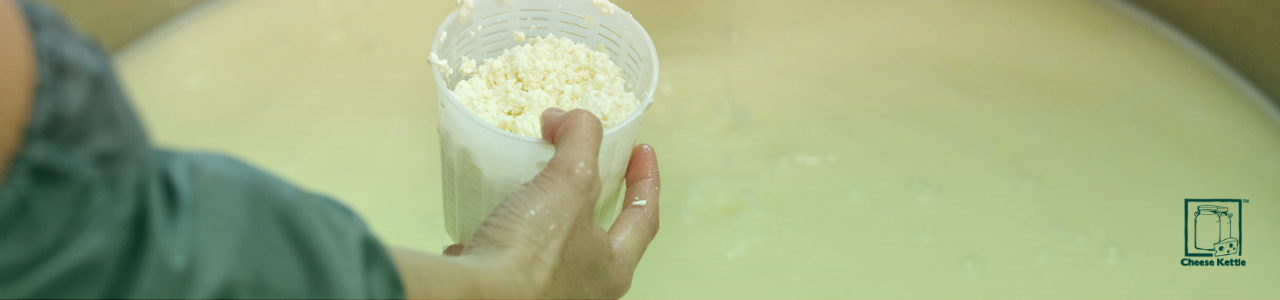
Curd retention needs a suitable screen or strainer when the curd stays in the vat during whey drainage. The screen must hold the curd back while leaving enough open area for whey to reach the outlet. A small screen placed directly against a dense curd mass blocks sooner as curd gathers around it. Position and surface area need to suit the way you stir, settle and drain that particular cheese.
Some cheese production processes drain curd and whey together into another piece of equipment. In that process, the outlet and downstream hose need enough clear passage for the curd being transferred.
Milk Vat Cleaning Access Must Reach Every Food Surface
Milk vat cleaning access must cover every food-contact surface that touches milk, curd or whey. Sanitary design requires the vat walls, base, agitator, probes, covers, outlet and removable drainage parts to have an effective cleaning method. Australian food equipment requirements cover the design and construction of equipment used to process dairy products. Equipment in dairy plants and processing facilities must suit its intended food process and allow effective cleaning to control contamination.
Clean visible milk, curd and whey residues before sanitising according to your documented procedure. Correct cleaning temperature, strength and frequency help control bacterial growth and reduce cross contamination between batches.Australian dairy processing requirements also cover documented food-safety programs for businesses processing dairy products. The milk vat and its cleaning system need to fit the hygiene, residue and contamination controls recorded in your own program.
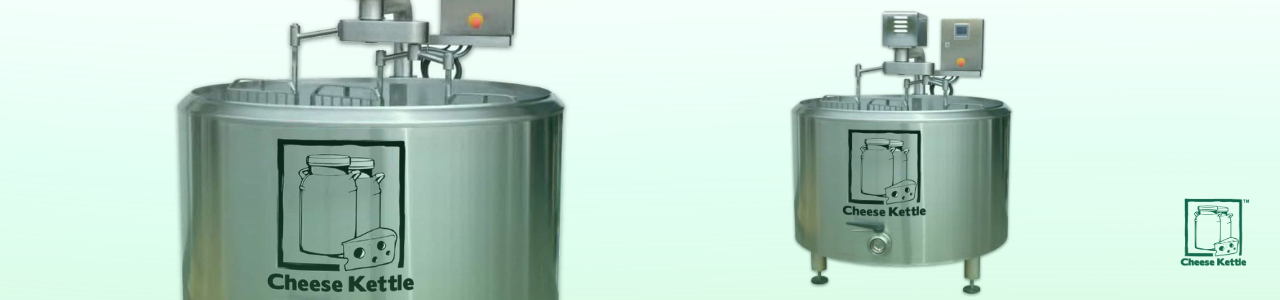
Our Cheese Kettle 200 Ltr Cheese Making Kettle Vat for Curd Work
We build the Cheese Kettle 200 Ltr Cheese Making Kettle Vat to order for batch cheese production. Its movable variable-speed agitator clears the vat for curd work, while the short DN50 butterfly-valve outlet supports controlled emptying. Contact us to order a 200 Ltr Cheese Making Kettle Vat set up for your coagulation, curd-cutting and whey-drainage work.
Questions About Milk Vats
Milk Vat | Can One Vat Handle Pasteurisation and Cheesemaking?
One milk vat can handle both processes when its heating, cooling, mixing, cutting access and drainage arrangements suit each stage. Dairy industry processors using raw milk, including cow or sheep milk, also need the vat process covered by their food-safety program. Pay particular attention to the agitator arrangement and the services required for the unit. When comparing equipment price, account for any refrigeration, electrical work and installation required for the vat supplied by the company.
Milk Vat | Does The Vat Need A Cover During Coagulation?
A milk vat cover protects milk from contamination while the curd is setting and helps limit unwanted heat loss from the open surface. The cover arrangement still needs to open far enough for cutting, stirring and cleaning while the rest stays clear of the working area. Split or removable covers give you different access from a single fixed section. Check the cover movement with the agitator and cutting tools in their working positions to protect curd quality during handling.
Milk Vat | Do I Need A Separate Pump For Whey?
A separate whey pump is needed when gravity does not provide the transfer your facility layout requires. The need depends on outlet height, receiving vessel position, transfer distance and where processors direct the whey after separation. Where you use a pump, include its hoses and fittings in the same cleaning plan as the milk vat outlet. The transfer system also needs to handle whey without pulling unwanted curd from the vat.