
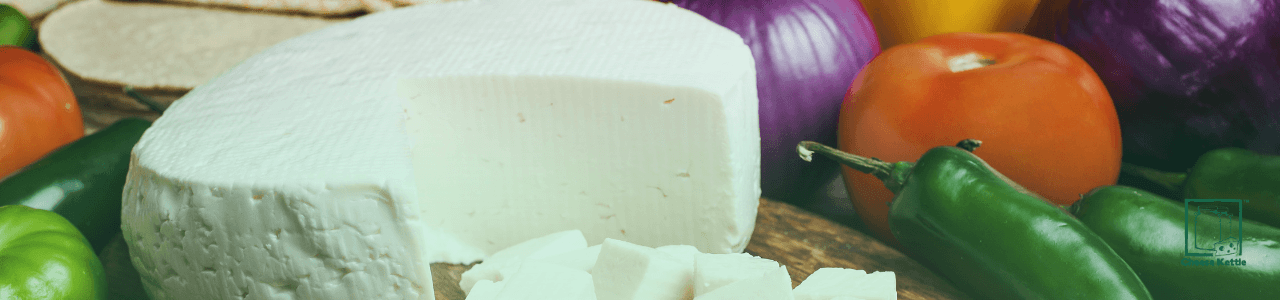
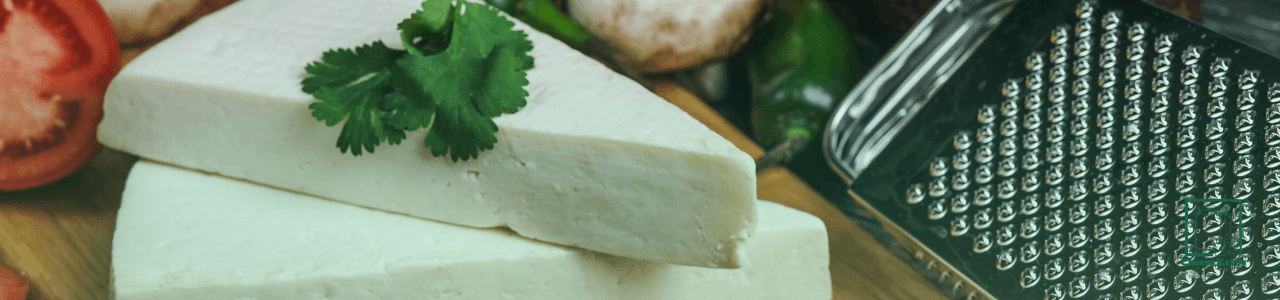
Cotija is a crumbly Mexican cheese from cow’s milk that brings a salty punch to Mexican food and everyday savory dishes. Whether you call it Cotija, queso cotija, or fresh Cotija, its crumbly texture and distinctive taste make it ideal for crumbled Cotija cheese on grilled corn, tortilla chips, enchiladas, tacos, beans, pasta, and soups. To move Cotija cheese from hope for the best to reliable results, a planned dry salting station is essential.
This matters even more for small dairies that also produce other Mexican cheeses and fresh cheese styles, such as queso fresco, Oaxaca cheese, queso asadero, ricotta salata, and cow’s milk cheese for salads and cooked dishes. A defined salting area with clear flows for curds, milk, salt, and brine solution lets you offer both fresh and aged Cotija, including Cotija añejo, while still keeping processes simple and safe.
Cotija Needs Consistent Dry Salting
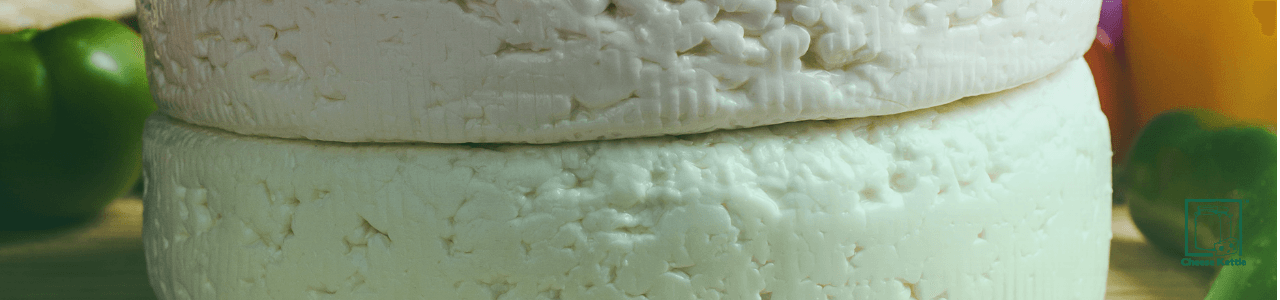
Like Parmesan cheese, Feta cheese, or ricotta salata, Cotija relies on salt and controlled drying to achieve its firm yet crumbly texture. Most cheeses can tolerate small changes in salting, but Cotija’s salty, savory profile shows every mistake. Too much salt can overpower Mexican dishes, while too little salt weakens flavor and shelf life. A dedicated dry salting station helps you achieve the right balance for both fresh cheese and aged version.
Separating Cotija from softer, creamy cheeses such as Cheddar or other cow’s milk cheeses ensures you can tailor salt rates and timing. This gives you Cotija that crumbles cleanly as a topping, garnishes Mexican cuisine plates attractively, and still performs well when cooked gently, such as on warm corn cob or over roasted vegetables.
Mapping Your Dry Salting Layout
A good layout starts with the path your curds and wheels follow. From milk to curds, moulds, pressing, dry salting on tables, optional brine finishing, then drying or aging. For Cotija and similar Mexican cheeses, plan a straight, simple flow. Pressed wheels reach the salting table, are salted and rested, then move to the 500 Ltr Brine Tank or directly to storage. This keeps salty runoff, crumbled cheese pieces, and warm water cleaning where they belong.
Place the station near your cheese making area but away from raw milk reception so you do not mix clean, salted cheese with incoming milk. Floors should handle heat, moisture, and salt without becoming slippery, and should support cleaning after handling brine solution that may include salt, calcium chloride, and small amounts of milk or curds.
Choosing Practical Tables and Surfaces
Stainless steel tables are the backbone of a dry salting station for Cotija. They should be strong enough to support multiple wheels, with surfaces that drain well but still hold cheeses steady. Slight slopes or perforations help move brine and loose salt towards collection channels, rather than letting puddles form that might cause uneven salt and texture.
Modular tables make it easier to adapt as you grow or adjust your mix of cheeses. You might dedicate one table to fresh Cotija and other fresh cheeses like queso fresco, and another to aged Cotija, Parmesan, or other aged cow’s milk cheeses. This supports consistent handling while still allowing flexibility for different recipes, garnishes, and food styling needs.
Sieves and Screens for Better Coverage and Recovery
Sieves and mesh trays improve both salt distribution and recovery. Positioned under or beside salting tables, they catch loose salt and small crumbled curds without blocking liquid drainage. This is especially useful for crumbly cheeses like Cotija, Feta, and ricotta salata, which shed small pieces when salted and moved.
Mesh size matters. It must be fine enough to hold salt granules and crumbled cheese, yet open enough to let brine or warm water pass through without flooding the surface. Removable sieve inserts keep cleaning straightforward, which is important when you handle a mix of cheeses, from soft Mexican styles to firmer aged versions.
Using a 500 Ltr Brine Tank for Salt Control
Even in a dry salting led process, a 500 Ltr Brine Tank is a powerful tool for finishing and stabilising Cotija. Filled with a controlled brine solution made from salt, water, and if needed, calcium chloride, it lets you fine tune salt pickup by adjusting soak time and temperature. This turns Cotija from a purely dry salted cheese into one that benefits from final equalisation, similar to Feta or Parmesan in brine.
The brine tank also acts as a recovery point. As dry salted wheels soak, loose salt and fine curds enter the brine rather than being lost. You can measure salinity, monitor flavor impact, and decide when to refresh or strengthen the solution, making Cotija’s salty intensity dependable whether it is served crumbled, grated, or sliced.
Designing Trial Soaks for Better Results
Trial soaks help you move from feel based salting to data-based decisions. Commit to a few test profiles. For example, soaking Cotija wheels for 4, 8, and 12 hours at the same brine strength and temperature. Record starting weight, ending weight, and salinity readings so you can see how soak length changes moisture and salt levels.
Once the cheeses have rested or aged, test how they behave in real dishes. Crumbled over grilled corn with lime juice and chili powder, sprinkled over salads and roasted vegetables, or grated onto pasta and soups. This practical tasting shows which soak profile gives the best mix of salty flavor, crumbly texture, and performance as a topping or garnish.
Maintaining Hygiene and Safety in the Station
Because dry salting exposes cheese surfaces, hygiene in this station should match your vat and packaging areas. Tables, sieves, and the brine tank need daily cleaning and sanitising, especially when you switch between fresh cheese and aged Cotija. Staff should wear gloves, protective clothing, and follow clear hand-washing routines when handling salted curds and wheels.
Brine should be checked over time, then refreshed when it no longer meets your internal standards. These practices ensure Cotija is safe to eat and holds up well in salads, soups, tacos, enchiladas, Mexican street corn, and other cooked or reheated dishes. It also helps when you store Cotija in an airtight container for slicing or crumbling later.
Conclusion
A dedicated dry salting station for Cotija puts you in control of salt, moisture, and texture rather than relying on instinct alone. Thoughtful use of stainless tables, effective sieves, and a well-managed 500 Ltr Brine Tank helps small dairies produce Cotija that is salty but balanced, crumbly yet sturdy, and ready to shine in Mexican cuisine, salads, soups, pasta, and everyday dishes.
From here, the most practical step is to map your existing cheese making space, mark where Cotija is currently salted, and design a simple station layout around that flow. Once your tables, sieves, and brine tank are in place, trial soaks and clear records will bring Cotija from a variable cheese to a dependable ingredient, whether it is crumbled, grated, or sliced, and whether it is eaten fresh or as an aged, añejo style version.