

Paneer is a fresh cheese from the Indian subcontinent, made by curdling hot milk with an acidic agent such as lemon juice or white vinegar. For small dairies, standardising fat content and Solids-Not-Fat (SNF) in cow milk or buffalo milk is the key to getting the same texture every batch. This is what turns variable raw milk into reliable, firm blocks that slice, fry, and hold in popular paneer dishes.
Inconsistent milk leads to soft, crumbly, or rubbery paneer that does not behave well in Indian cooking or South Asian cuisine. By understanding what paneer is at a milk level, you can make paneer that works across recipes, whether you supply restaurants making palak paneer, chilli paneer, or paneer butter masala, or consumers who want to enjoy paneer at home. This article walks through milk targets, standardisation steps, and suitable CheeseKettle equipment, while weaving in the way paneer works in real recipes and traditional dishes.
What Is Paneer and Why Does Milk Standardisation Matter?
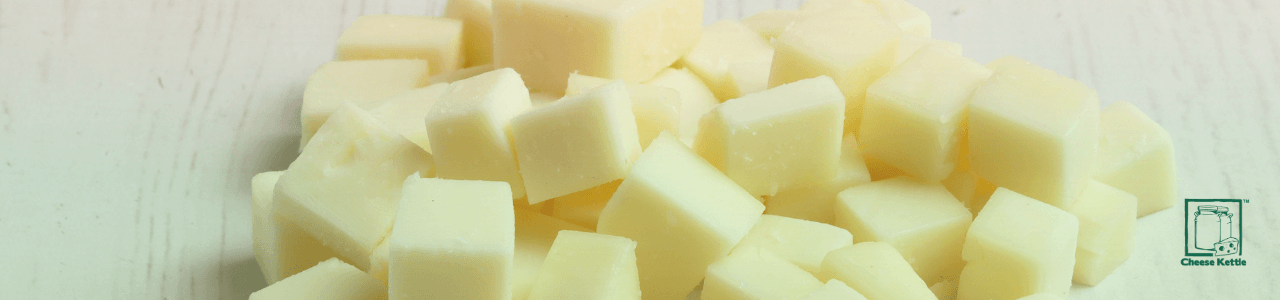
Paneer is a fresh, pressed Indian cheese that does not melt and is often compared with ricotta, queso blanco, or a firmer, sliceable version of cottage cheese. Paneer originated in India, where paneer is a fresh dairy product made by turning curdled milk into pressed cubes that can be grilled, fried, or simmered in curry and sauces. Unlike many other cheeses, it is usually made from full fat milk or whole milk and used within a few days.
For small dairies, the key to good paneer is what happens before you curdle the milk. Standardising fat content and SNF makes sure the curds form a tight network with just enough moisture. This gives paneer a clean milky flavour, a pleasant soft but firm bite, and the strength to stay in shape in single layer baking trays, on skewers, or in rich butter-based sauces. Without this step, even the best recipe, lemon, vinegar, or salt cannot fix badly balanced milk.
What Milk Composition Do You Need for Firm Paneer Blocks?
To get consistent block firmness, most small dairies should target 5.5–6% fat and about 9–9.5% SNF in the milk used to make paneer. Starting with cow milk alone often means lower fat and SNF, while buffalo milk tends to be richer and closer to these targets. Many producers blend the two or adjust cow milk with cream and skim solids to get into the ideal range.
At this composition, you get curds that knit together well when pressed under heavy weight and then drained. The paneer stays firm enough to fry in cubes for chilli paneer, hold together in palak paneer, or sit neatly in paneer butter masala without breaking into crumbs. Get the balance wrong and you either trap excess water and excess liquid, which causes soft, fragile blocks, or you end up with dry, tight cheese that is hard to cut and not pleasant to eat paneer.
Why Do Small Dairies Struggle with Paneer Firmness?
Small dairies usually work with mixed supplies of milk that change through the year. Early-season cow milk may be lower in fat, while buffalo milk or later-season milk can be richer. If you use this as-is, your paneer will bounce between too soft one week and too hard the next. That is why you may find some batches slice neatly and others crumble when you try to cut cubes.
Temperature control during cooking is another challenge. If the milk is not heated evenly to a gentle boil, or if the acid (such as lemon juice, white vinegar, or yogurt) is added at the wrong stage, you can get weak curds that leak whey. Stirring too much at medium high heat can break the curds into tiny pieces that will not join into a solid block, no matter how firmly you press them.
How Does Standardised Milk Improve Paneer Quality and Uses?
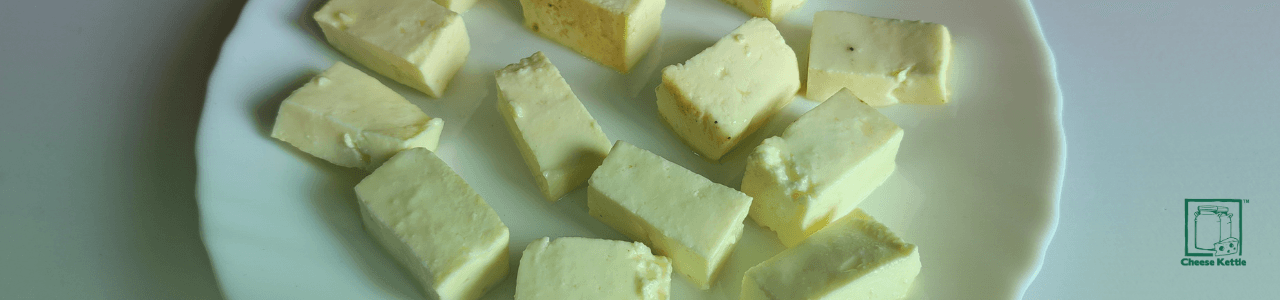
When the milk is standardised before heating, the paneer behaves predictably in both homemade paneer and commercial production. Curds form at the right speed when you add your chosen acidic agent, and the paneer presses into even slabs that cut into tidy cubes. This consistency is crucial for small dairies that supply cafes and restaurants across Australia.
Standardised milk also helps you meet customer expectations for how paneer should taste and feel. Chefs want a product they can buy paneer in bulk and trust to perform like it does in India. Home cooks want to enjoy paneer in homemade recipes that remind them of family cooking. With the right balance of fat and SNF, your paneer can be used across Indian cooking and even fusion dishes, like grilled paneer on bread, salads with fruits, or as a meat alternative in wraps.
How Do You Adjust Fat Content for Paneer Production?
To standardise fat, you first test the incoming milk to see where it sits. If your cow milk is too lean, you can blend in a portion of full fat milk, cream, or a measured amount of buffalo milk. If it is too rich, you may skim off some cream to bring it back to the 5.5–6% fat range. Gentle heating and a slow stir help you distribute the fat evenly through the milk.
The goal is to reach a point where the curds hold enough fat for a smooth, creamy bite, while still letting whey and excess water drain during pressing. With balanced fat, your paneer will stand up well when grilled, fried, or simmered in sauces, and it will not leak oil into the pan. This is important for dishes like chilli paneer and paneer butter masala, where you want the cheese to soak up spices and flavour without falling apart.
How Do You Boost SNF for Better Paneer Texture?
Fat is only half the story. To get firm, elastic curds, you also need enough SNF, mainly proteins and lactose. In practical terms, small dairies often add skim milk powder or higher-SNF milk to raise these solids before heating to a gentle boil. This gives more structure for the curds to form when lemon juice, white vinegar, or another acidic agent is added.
When SNF is at the right level, the curds bind tightly and release whey cleanly. The paneer block presses evenly and can then be cooled with cold water to set the structure. This makes it easier to cut single layer sheets into cubes that stay intact in curry, butter-rich gravies, or simple pan-fry recipes. It also helps your paneer behave more like halloumi or firm tofu, giving you flexibility to sell it into non-Indian dishes as well.
How Does the Coagulation Step Affect Paneer Firmness?
Once your milk is standardised, the coagulation step is where you lock in the final texture. Heat the milk to just below a full boil, usually at medium heat, so that it is hot enough to respond quickly when you add the acid. At this point, slowly pour in lemon juice, vinegar, or yogurt while you stir gently. You should see clear separation of curds and whey.
If you add acid too early, or at too low a heat, you may get tiny weak curds that lead to crumbly paneer. If you boil too hard, the proteins can toughen and create rubbery cheese that is not pleasant to eat paneer. The right balance produces tender but firm curds that will knit together into a block once pressed. This is the same whether you are making homemade paneer in a small vat or scaling up in a commercial setting.
How Should You Press, Cool, and Store Paneer Blocks?
After coagulation, you drain the curds in a lined mould or colander, allowing whey and excess liquid to escape. To get a firm block, spread the curds in an even single layer, fold the cloth over the top, and apply a heavy weight. This pressing step is what turns loose curds into a paneer slab that you can cut into neat cubes for recipes.
Once pressed, the paneer is usually cooled in cold water to firm up the outside and wash away any extra acid from the lemon or vinegar. After cooling, you can cut and eat paneer fresh or store it in an airtight container with a little water to keep it moist. Good storage lets customers enjoy paneer over a few days, using it in homemade curries, grilled skewers, or even simple bread sandwiches with fruits and salad.
What CheeseKettle Equipment Supports Consistent Paneer Making?
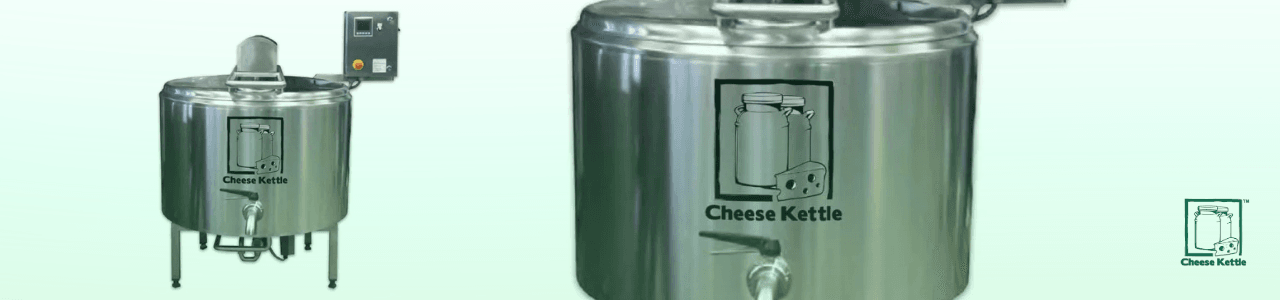
For small dairies, the right equipment makes standardisation and heating much easier to manage. The 50 Ltr Pasteurizer for Milk is well suited to artisan paneer production, giving you precise temperature control during heating and a stable environment for adding lemon juice, white vinegar, or yogurt. This helps you avoid hot spots that can damage the curds.
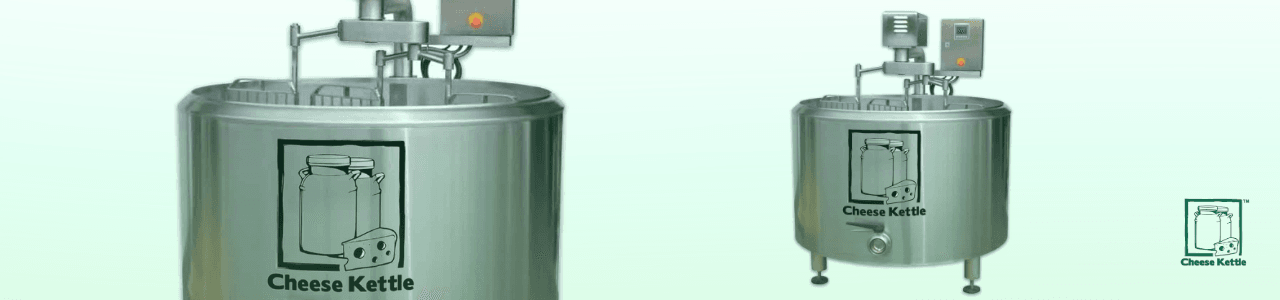
For larger batches, the 200 Ltr Cheese Making Kettle Vat allows thorough mixing of adjusted milk so fat and SNF remain consistent throughout the whole volume. Combined with controlled heat and gentle agitation, you can move smoothly from standardisation to coagulation and pressing. These tools make it easier to meet demand from restaurants and shops who want to buy paneer with reliable quality.
How Does Standardisation Support a Range of Paneer Dishes?
When your paneer is consistent, chefs and home cooks can trust it across a wide range of paneer dishes. In palak paneer, the cubes stay whole in spinach curry, soaking up spices and flavour. In chilli paneer, the cheese holds during high-heat stir-fry, giving a pleasant chew similar to halloumi. In paneer butter masala, the paneer stays soft inside while the outside takes on the rich butter and tomato sauces.
Standardised milk also lets you market paneer as a versatile, mild, fresh cheese that works in more than just Indian cooking. With its gentle milky flavour, paneer can be served like tofu in salads, grilled on skewers, or tucked into bread rolls as a meat alternative. This broadens your customer base and makes your paneer a flexible product in the dairy case.
Conclusion
Milk standardisation for paneer is about more than numbers on a test sheet. By bringing fat content and SNF into a consistent range before you make paneer, you shape the way the cheese will behave in every recipe, from classic palak paneer to modern grilled skewers. The result is firm, reliable blocks that press, slice, and cook the same way every time.
For small Australian dairies, this means fewer failed batches, happier customers, and paneer that stands proudly alongside other cheeses in the display. With the support of well-sized equipment like the 50 Ltr Pasteurizer for Milk and 200 Ltr Cheese Making Kettle Vat, you can lift your paneer from variable to dependable.
If you are ready to improve your paneer production, consider how standardising your milk and upgrading your process could help. Contact CheeseKettle to discuss the 50 Ltr Pasteurizer for Milk or 200 Ltr Cheese Making Kettle Vat and find the best setup for your small dairy.