

Making cotija cheese, a crumbly Mexican cheese known for its salty flavor and distinctive taste, relies on clean, well-designed tools. Small Australian factories need reliable cheese vats, milk pasteurizers, pressing tools, and brining systems to create traditional cotija made from cow’s milk. Each step, from forming curds to aging, depends on equipment that allows the cheese to develop its crumbly texture and savory profile.
Cheese making for aged cotija is more detailed than for soft cheeses such as queso fresco or ricotta salata. Precise temperature control and secure handling during production make it possible to enjoy cotija as a topping for salads, soups, beans, tortilla chips, tacos, grilled corn, tostadas, and other Mexican dishes. Treating your equipment as the foundation for all recipes ensures consistent results batch after batch.
Why Is Proper Equipment Critical for Cotija Success?
Aged cotija cheese, often compared to parmesan cheese for its crumbly, firm bite, needs stable conditions to develop its strong flavor and salty profile. Small-scale cheese rooms must meet Australian food safety standards, including milk pasteurization at the required temperature and quick cooling. This process guards both the quality and the “made from cow’s milk” authenticity that sets cotija apart from cheeses like feta or parmigiano reggiano.
Australia’s standards protect your cheese and customers by requiring valid cleaning procedures, clear temperature logs, and durable stainless steel surfaces. Poor or incorrect equipment can lead to inconsistencies, lost batches, and flavors that disappoint when used as a topping for Mexican cuisine, spicy beans, or grilled corn with a sprinkle of chili powder and lime juice.

What Is the Primary Cheese Vat for Aged Cotija Production?
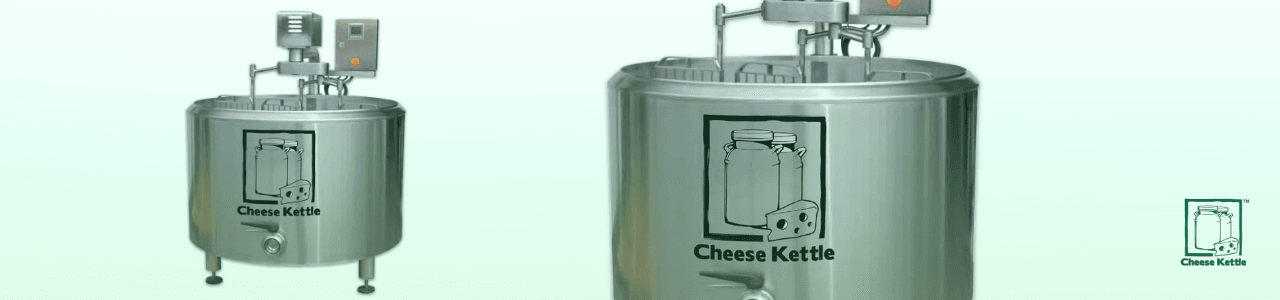
The backbone of an aged cotija operation is a 200-litre Cheese Making Kettle Vat. A vat of this size fits the daily needs of small factories, handling enough cow’s milk for reliable production without being overwhelming to manage. This food-grade stainless steel vessel evenly heats the milk, supports full curd formation, and makes cleaning between recipes efficient, whether you produce cotija, feta cheese, or even try queso asadero.
The built-in heating jacket means consistent milk temperatures for forming the crumbly cheese curds. For regional factories without three-phase power, single-phase cheese vats run on standard electricity and bring the same quality. Stable temperature control is vital for getting the correct texture in queso cotija and other crumbly cheeses.
What Pasteurisation Equipment Ensures Compliance and Milk Safety?
Pasteurizers keep the milk safe for cheese making, whether the goal is fresh cotija with a mild creamy touch or the aged version with a strong, salty flavor. Cheese rooms benefit from choosing batch sizes that fit their output, 50 litres for craft-scale needs, 100 litres for growing demand, or 200 litres for several daily batches. Each pasteurizer combines heating and chilling to keep your milk just right from start to finish.
Heat recovery systems in modern machines allow you to save energy while still following temperature standards. The right pasteuriser is key in creating firm curds and keeping that clean cotija taste, whether it’s used for sprinkling on enchiladas, mixing into soups, or topping a spicy Mexican recipe.

How Do Pressing and Brining Systems Shape Your Final Product?
Pressing cotija curds helps the cheese set, creating the dry, crumbly structure known in both aged cotija and queso añejo. A custom cheese press applies steady, gentle force, which results in curds that crumble easily but hold their shape, a signature for those familiar with grated toppings on Mexican food and savory dishes. Commercial presses speed up work by handling several cheese wheels at once.
After pressing, the cheese gets a soak in a brine tank. This step gives cotija its salty flavor, boosts its shelf life, and hardens the rind so the inside stays crumbly. Brining is what lets you enjoy crumbled cotija cheese as a sprinkle on tacos or corn on the cob, or as a punchy blend with beans and spicy food.
What Does Successful Small-Scale Production Look Like?
Running a small cheese factory starts with clear recipes for each step. For cotija cheese, this includes testing the milk, pasteurizing, heating and culturing, forming curds, pressing, brining, and finally aging. Many Australian cheese makers, like Maleny Cheese in Queensland, diversify their production by investing in equipment flexible enough for both cotija and its best substitutes, such as feta or ricotta salata.
The daily routine is straightforward and allows you to add value without scaling up too soon. By controlling batch size and focusing on quality, small operations can meet market demand for classic Mexican cheeses as well as provide for local tastes and recipes.
Which Supporting Equipment Maintains Quality Control?
Support equipment matters just as much as primary gear. Having a cheese harp sized perfectly for your vat guarantees even curds, crucial for a uniform crumbly texture. Milk tanks store fresh milk before processing, and cooling tanks help keep milk at the right temperature until it’s time for cheese making. On busy days, milk transport systems keep the entire mixture safe and ready for the next batch.
These tools are the secret to preventing quality loss, every cheese should taste as good on day 100 as day one. That’s how you keep cotija, feta, and parmesan cheese worth grating for toppings on salads or mixing into corn, soups, and spicy dishes.

Understanding Heat Control and Curd Management
Precise temperature control when heating curds is the separator between firm, crumbly cotija and softer cheeses. After adding rennet, the milk is brought from 100°F to about 105–108°F over time. This allows curds to “set” so they’re easy to press and crumble, never rubbery or too soft. Mistakes here lead to cheeses that melt instead of grate, or that lose their unique texture when used as a topping or stuffing for tostadas and enchiladas.
Timing, gentle heating, and steady mixing bring out the distinctive salty flavor in aged cotija and make it a staple for Mexican cooking, whether sprinkled on spicy grilled corn with lime or crumbled over fresh salads.
Conclusion
Every successful cotija cheese maker treats equipment as a long-term partner. Starting with a 200-litre cheese making kettle vat, a 100-litre milk pasteuriser with chiller, and a quality pressing system provides a stable base for 2–3 batches per day. This core set can adapt for the aged version of cotija, or most cheeses with a crumbly or firm texture, including several substitutes for traditional Mexican recipes.
The right investment means consistent salty flavor, safe milk preparation, and a firm crumbly texture ready for any meal. Whether topping french or Mexican dishes, stirring into soups, or garnishing beans, quality equipment is the backbone of your cheese operation.
Ready to set up your own cotija cheese production and supply the local demand for crumbled, grated, or sliced cheese? Contact CheeseKettle today about the 200 Ltr Cheese Making Kettle Vat and supporting equipment to simplify your cheese making, grow your business, and deliver classic Mexican cheese that Australian customers love.