

Enclosed vats transform cottage cheese production by creating a sealed, controlled environment where pasteurized milk develops into creamy, soft curds without contamination risks. Unlike open systems exposing milk to airborne bacteria, enclosed vats protect every production stage, ensuring cottage cheese emerges fresh and safe for use in salads, pancakes, egg dishes, and baked goods. Whether producing full fat cottage cheese, low fat varieties, ricotta cheese, or sour cream, enclosed vat systems deliver gentle handling and precise temperature control defining quality fresh cheese.
Growing demand for high-protein dairy products means more people seek cottage cheese for health benefits and daily protein intake. Modern Australian producers need reliable systems creating consistent, creamy cheese meeting strict food safety standards. Enclosed vats eliminate variables that make traditional open-vat production unpredictable, supporting sustainable profitability while maintaining premium quality.
Why Are Enclosed Vats Essential for Fresh Cheese Production?
Enclosed vats protect pasteurized milk and developing curds in sealed environments, making cottage cheese production safer and more consistent than open systems. The sealed design ensures every batch develops under identical conditions without exposure to airborne bacteria or environmental contaminants. For producers making fresh cheese, whether cottage cheese, ricotta cheese, or unripened cheese varieties, this containment is critical for maintaining delicate texture and soft, creamy consistency.
The system works equally well for full fat cottage cheese and low-fat varieties, adapting to different recipes and dietary needs without sacrificing quality. Gentle handling preserves tender curd structure becoming the foundation for creamy, mild-flavoured cheese ready for immediate use or storage.
How Do Enclosed Vats Improve Hygiene and Food Safety?
Hygiene is essential for dairy products, especially fresh cheese like cottage cheese and ricotta made from pasteurized milk. Enclosed vats eliminate contamination pathways by keeping milk sealed throughout processing, protecting developing curds during vulnerable stages. Every component contacting milk is controlled within the sealed system, reducing risks compromising food safety.
The system meets federal regulations for dairy products by maintaining hygienic conditions automatically without manual monitoring that might miss contamination sources. Cottage cheese stays fresh because enclosed design prevents exposure to air and surfaces introducing unwanted bacteria, supporting compliance with Australian food safety standards.
What Makes Gentle Temperature Control Critical for Curd Development?
Gentle temperature control is essential for developing curds becoming soft, creamy cottage cheese consumers expect. The process gradually raises pasteurized milk temperature to develop curds without breaking or hardening them, preserving moisture and creating tender texture. Too much heat too quickly ruins batches by creating tough, dry curds unsuitable for recipes.
The right temperature transforms milk into soft, creamy cheese rather than undesirable outcomes. This gentle approach preserves mild flavour and creamy consistency making cottage cheese ideal for salads, pancakes, fruit smoothies, egg dishes, and diverse recipes. Precise control supports consistent amino acid profiles and nutritional content, important for producers marketing health benefits and high-protein advantages.
How Does Precise Cutting Control Yield and Quality?
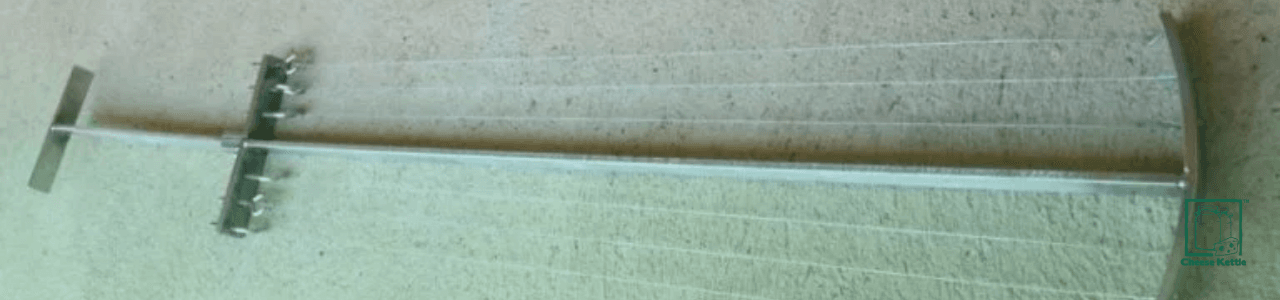
Precise curd cutting directly impacts yield and finished cottage cheese quality, critical to profitability. Enclosed vats employ mechanical cutting systems achieving uniform curd particle size, essential because inconsistent cutting creates excessive fines, small fragments lost to whey representing direct product loss. Gentle, controlled cutting preserves curd structure while achieving size consistency for proper whey drainage.
Product recovery depends significantly on cutting precision. Better cutting means less whey loss and more usable cheese per pasteurized milk unit. This precision distinguishes operations breaking even from those achieving healthy margins while meeting growing demand.
How Does Process Automation Increase Efficiency?
Automation in enclosed vats controls heating, cutting, stirring, and whey removal without constant operator intervention, making production faster and more reliable than manual methods. The system follows programmed steps creating cottage cheese, ricotta cheese, and sour cream consistently, reducing manual work while improving results. Producers make significantly more cheese in the same timeframe with fewer staff members, reducing labour costs while increasing capacity.
Automated control eliminates mistakes in timing or temperature management, ensuring every batch meets the same quality standard. This consistency is particularly important for producers supplying multiple customers or competing in markets where reputation depends on reliable product quality. The system reliably delivers fresh cheese ready for immediate use.
What Yield Improvements Can Enclosed Vats Deliver?
Enclosed vats minimize waste by recovering more cheese from each milk batch, meaning more product reaches customers rather than being lost. Gentle handling and precise control ensure curds stay intact throughout cutting and cooking, reducing whey loss. The result is substantially more cottage cheese, ricotta cheese, and sour cream produced from the same milk amount.
Reducing waste through better processes means producers get more value from raw materials and maintain healthy margins. Every batch produces more usable product, making better equipment investment pay for itself through improved yield. For producers buying milk at market rates, yield improvement directly translates to better profitability without requiring price increases.
The Role of Clean-in-Place Systems and Food Safety
Enclosed vats include Clean-in-Place (CIP) systems automatically cleaning all production surfaces, ensuring every batch starts with properly sanitized equipment. This automated approach is faster and more thorough than manual cleaning, reducing contamination risks between batches. The system cleans after production without requiring disassembly or manual scrubbing, creating consistent sanitation protocols.
Automated cleaning ensures every surface receives adequate hot water and cleaning chemical exposure without gaps manual methods overlook. This consistency is essential for food safety compliance and maintaining mild flavour and fresh quality defining premium cottage cheese. Equipment is ready for the next batch quickly, supporting continuous production with minimal downtime.
Nutritional Benefits and Health Properties
Cottage cheese delivers high-protein content appealing to consumers seeking health benefits from dairy choices, with substantial amino acids supporting muscle development and wellness. The fresh, soft texture combined with creamy consistency makes cottage cheese versatile for diverse applications—from salads and pancakes to fruit smoothies, egg dishes, and baked goods. High protein content and low lactose make cottage cheese suitable for many dietary preferences and weight loss goals when incorporated into balanced diets.
The mild flavour of quality cottage cheese makes it ideal for both sweet and savoury recipes, from fruit and honey combinations to meat dishes and salads. Full fat cottage cheese offers rich creamy flavour, while low fat varieties appeal to health-conscious consumers seeking weight loss benefits without sacrificing taste satisfaction.
Critical Production Factors: Citric Acid and Whey Management
Citric acid plays an essential role in cottage cheese production, helping develop proper curd formation and texture by lowering milk pH and facilitating milk solids coagulation. Precise citric acid concentration combined with careful timing and temperature management ensures every batch develops soft, creamy texture. This control is one advantage of modern enclosed vats over traditional methods, delivering predictable texture and mild flavour batch after batch.
Whey represents a significant byproduct of cottage cheese production, with modern enclosed vats optimizing whey recovery and minimizing product lost during processing. Better separation techniques and controlled draining mean more curds remain in finished cheese while excess whey is collected separately. The controlled environment enables consistent whey separation, making production more predictable and profitable.
Storage and Making the Transition
Fresh cottage cheese produced in enclosed vats maintains superior quality during storage because hygienic production processes protect mild flavour from contamination risks. Proper storage in cool conditions preserves creamy texture, and the high protein content makes cottage cheese nutrient-dense and valuable for health-conscious consumers seeking convenient protein sources. Enclosed vats work equally well with full fat milk and skim milk, allowing producers to create diverse products suited to different dietary preferences.
Enclosed vat systems provide Australian cheese makers with practical tools producing high-quality cottage cheese meeting safety standards. Improving production efficiency while maintaining quality is essential as demand grows for fresh cheese and high-protein dairy products. The investment typically pays for itself through improved yield, reduced labour, and better product consistency supporting premium pricing.
Producers considering transition should evaluate current production volumes, growth targets, and quality standards against what modern systems deliver. Whether making full fat cottage cheese, low fat varieties, ricotta cheese, sour cream, or other fresh cheeses, enclosed vats adapt efficiently while supporting sustainable profitability and customer satisfaction. The system meets growing demand from consumers seeking nutritious, affordable dairy options.
Conclusion
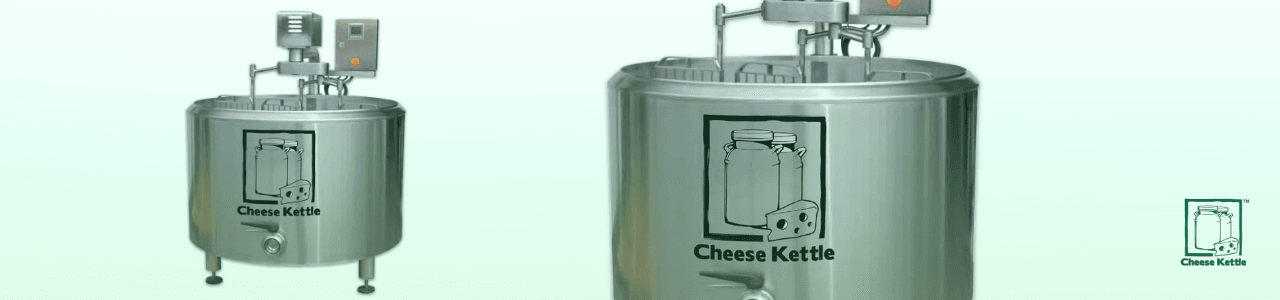
Contact CheeseKettle today about the 200 Ltr Cheese Making Kettle Vat, engineered specifically for Australian artisan and commercial producers. Our food-grade stainless steel construction, precise temperature controls, and jacketed heating system ensure reliable results and consistent creamy texture batch after batch. Let CheeseKettle be your practical partner in scaling production while maintaining the quality that builds lasting customer relationships and supports your business growth.