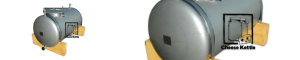

How to maintain your cheese making equipment for longer life starts with simple daily habits that protect your investment and keep your cheese at home tasting its best. Whether you use cheese making kits or commercial vats, practical care helps you get the most from your equipment and your milk.
Essential Daily Care
After making cheese, rinse all surfaces of your cheese making supplies—vats, pasteurisers, and kitchen tools—with hot water. This flushes away milk and whey before they dry and become harder to remove. For stubborn residue, add mild detergent and rinse again. Cleaning promptly prevents bacteria and extends the life of your stainless-steel equipment.
Protecting Steel Surfaces
Stainless-steel is resistant but not indestructible. Avoid abrasive pads or harsh chemicals that can scratch and expose metal beneath. Instead, wipe with a soft cloth and a baking soda paste for minor stains. If you use hard water, finish with a simple acid rinse or distilled water to prevent mineral spots.
Seal and Gasket Care
Seals on vats and cheese making kits keep milk where it belongs. Check gaskets for cracks or leaks and clean gently to remove trapped whey. Moisture under seals can lead to mold, so be sure everything is covered and dry before storage.
Lubrication of Moving Parts
Your pasteurizer and agitator parts need occasional lubrication. Use food-grade oil exactly where the manual indicates—bearings, joints, and gears. A light coat keeps parts moving smoothly and prevents wear.
Temperature and Heating Systems
Scale in heat exchangers reduces efficiency and risks overheating. Clean heating coils monthly with the recommended solution to keep temperature controls accurate. Regular checks of gauges and valves ensure your brie, camembert, and other cheeses reach the right curd temperature every time.
Building a Maintenance Routine
Create a simple schedule: daily rinses, weekly checks of seals and lubrication, and monthly deep cleans of coils and filters. Keep a log of maintenance dates to predict when parts need replacing or servicing.
When to Call a Technician
Routine tasks you can handle yourself—like stocking your rennet and ingredients, adding supplies to your cart, or following simple recipes from your cheese making kits—but for electrical repairs or major seal replacements, call a qualified service provider. Annual professional inspections help your brie- and camembert-making business meet Australia’s food-safety standards, protect your equipment warranty, and keep every product covered from the date of purchase. With these steps, your cheese making equipment and supplies will serve you reliably—helping you enjoy making cheeses you love at home or in your commercial kitchen.