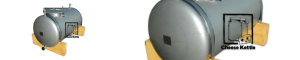

Setting Up Your First Commercial Cheese Making Space: Essential Equipment List guides you through the core cheese making equipment and supplies you need to launch your artisan cheese business in Australia. Whether you’ve enjoyed making cheese at home with kits or are ready to take your love for cheese to the next level, this guide will help you choose the right equipment for working with milk on a larger scale. From stainless-steel vats to precision pasteurizers and sturdy presses, CheeseKettle products ensure your kitchen runs smoothly, safely, and scales with demand. Add the essentials to your cart and follow this practical checklist to get started with confidence.
1. CheeseKettle Vat
A reliable vat is the heart of your cheese making space. CheeseKettle’s 200 Ltr Cheese Making Kettle Vat features a triple-coat insulated jacket for energy efficiency, electrical three-phase heaters up to 100 °C, and a movable variable-speed agitator for even curd formation. Dual manual probes monitor milk and headspace temperatures, while a DN50 butterfly outflow valve ensures fast draining. This versatile vat also doubles as a non-pressurised pasteurizer, saving you space and simplifying workflows.
2. Milk Pasteurizer with Chiller
Food safety starts with proper pasteurization. The 100 Ltr Milk Pasteuriser with Chiller offers integrated chilling and CIP cleaning, precise digital temperature controls, and durable stainless-steel construction. Perfect for small batches, it heats milk for cheese recipes such as brie or camembert and then cools it quickly, keeping ingredients fresh and compliant with Australian standards.
3. Modular Cheese Press
Turning curds into uniform wheels requires controlled pressure. The CheeseKettle Commercial Mechanical Gravity Cheese Press uses adjustable weights to apply steady force for semi-hard and hard cheeses. Its stainless-steel frame and easy-clean components work with any mold, making it simple to press brie, camembert, or farmhouse cheddar. Even moisture expulsion guarantees consistent texture and rind development.
4. Ancillary Essentials Checklist
To fully equip your space, add these cheese making supplies:
- Thermometer kits and logbooks for temperature recording
- Stainless-steel draining tables and curd harps for whey separation
- Mobile work platforms on lockable wheels for ergonomic access
- Food-grade hoses, valves, rennet, and fittings to maintain a sanitary environment
By integrating these CheeseKettle products and cheese making kits, you’ll set up a reliable, professional, and scalable cheese making business. Whether you’re interested in making cheese at home, starting out as new cheesemakers, or growing your equipment and recipes for commercial production, we have you covered. To get started or to check the latest stock and date for delivery, contact your local CheeseKettle specialist today for custom options.