
What you need to know about Cheese Curds
Cheese curds are a beloved treat for many, but if you’ve never tried them, you may be wondering what all the fuss is about. Are they safe to eat? What do they taste like? And can you make them at home? This comprehensive guide will answer all your cheese curd questions and show you how to create these delicious, squeaky treats yourself.
What Exactly Are Cheese Curds?
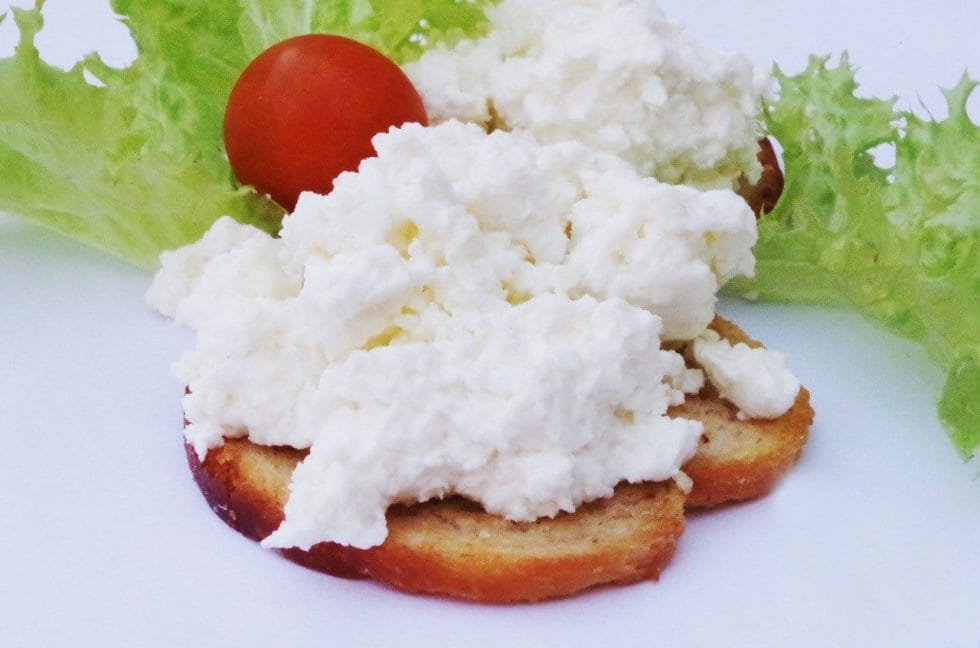
Cheese curds are fresh, unmatured curd pieces that form during the early stages of cheese making. These pure dairy delights are essentially cheddar cheese before it undergoes the traditional cheddaring method and aging process. Fresh curd has a unique squeaky texture that creates a satisfying sound when you bite into it—this springy texture is what makes cheese curds so distinctive.
Unlike aged cheddar that can mature for months or years, cheese curds are enjoyed immediately after formation. They offer a mild, slightly salty flavour with a savoury taste that’s both fresh and satisfying. The high melting point of these curds makes them perfect for various culinary applications.
Are Cheese Curds Safe to Eat?
Absolutely—cheese curds are completely safe to eat when made with proper hygiene and quality milk. The process mirrors traditional cheddar production, just without the aging step. These gluten free treats are made from pure dairy and provide excellent protein content along with dietary fibre benefits.
When making cheese curds at home, always use pasteurised milk and maintain clean conditions throughout the process. Store finished curds refrigerated in the fridge to maintain freshness and texture.
Popular Ways to Enjoy Cheese Curds
Fried Cheese Curds
One popular preparation involves coating fresh curds in batter made from flour and other ingredients, then frying until golden. This creates a crispy exterior while maintaining the squeaky texture inside.
Poutine – The Famous Canadian Dish
Perhaps the most famous use for cheese curds is in homemade poutine, the beloved Canadian dish. This comfort food combines fresh fries with cheese curds topped with rich brown gravy. The curds partially melt from the heat while maintaining their distinctive texture.
Other Serving Ideas
- Sprinkle fresh curds over potato chips for a simple snack
- Add them to salad for extra protein and flavour
- Serve with garlic and herbs as an appetiser
- Mix into various dishes for added texture and taste
To avoid equipment mismatches and streamline your dairy operations, check out our full range of products such as pasteurisers, cheese vats, milk tanks, and more for every scale of dairy processing
Making Cheese Curds at Home
Creating pure dairy cheese curds at home is both rewarding and straightforward. You’ll need basic equipment and quality ingredients to achieve that perfect squeaky texture.
Essential Equipment
For successful cheese making, you’ll need an open vat system or large pot, colander for draining whey, and precise temperature controls. Cheese Kettle offers professional-grade equipment including:
- Stainless steel cheese vats with even heat distribution
- Precision curd cutters for uniform pieces
- Temperature monitoring systems
- Pasteurization equipment for safe milk processing
Key Ingredients
- 4 litres of quality milk (pasteurised whole milk works best)
- Mesophilic culture for proper fermentation
- Liquid rennet dissolved in cool water
- Salt for flavour enhancement
Step-by-Step Process
- Heat the milk gently using low heat in your pot until it reaches the proper temperature
- Add culture and wait for it to activate
- Stir in the liquid rennet mixture using gentle motions
- Allow the milk to form curds—test for a clean break to ensure readiness
- Cut the formed curds into uniform strips for even processing
- Gradually raise temperature while continuing to stir the mixture
- Drain the whey using a colander, separating the curds
- Press the curds lightly to remove excess moisture
- Cut into final pieces and sprinkle with salt
- Allow the salt to mix thoroughly before serving
The finished curds should have that characteristic mild flavour and squeaky texture when fresh. They’re delicious served immediately or can be refrigerated for later use.
Storing and Using Your Fresh Curds
Fresh cheese curds are best enjoyed within a few days of making. Store them refrigerated to maintain quality and texture. While they can be eaten cold, many people prefer them at room temperature when the squeaky texture is most pronounced.
These versatile curds work wonderfully in traditional dishes like poutine with fries and gravy, or you can get creative with your own recipes. Their high melting point means they hold their shape well even when heated, making them perfect for various cooking applications.
Why Choose Homemade Cheese Curds?
Making your own cheese curds ensures you know exactly what goes into them—just pure dairy, culture, rennet, and salt. You control the flavour intensity and can enjoy them at peak freshness when that distinctive squeaky texture is at its best.
Ready to Start Your Cheese Making Journey?
Creating delicious, fresh cheese curds at home is an accessible and rewarding process. With the right equipment and techniques, you can produce restaurant-quality curds with that perfect squeaky texture and mild, savoury flavour that makes them so irresistible.
Cheese Kettle provides everything you need for successful cheese making, from precision vats and temperature controls to curd cutting tools. Our equipment helps ensure consistent results whether you’re making curds for homemade poutine or enjoying them fresh as a pure dairy treat.