
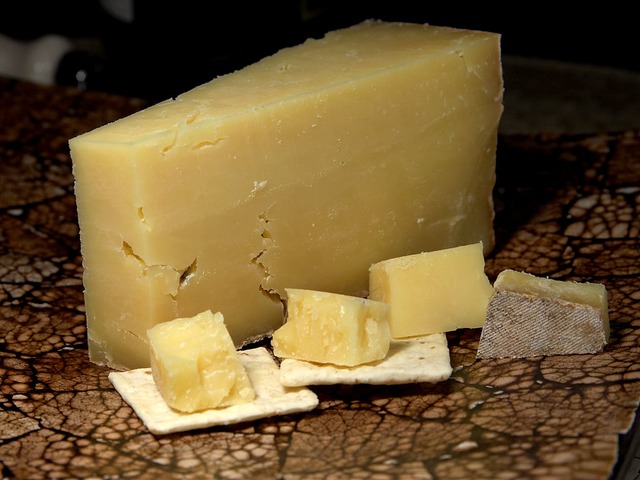
Cheddar cheese is a popular cheese found in many homes and kitchens. Known for its distinct flavor and versatility, cheddar is a type of hard cheese that stands out among other cheeses for its unique characteristics and interesting facts about cheddar cheese.
Why Cheddar Cheese Stands Out
Cheddar cheese is typically made from high quality milk, most often from cows. The cheese making process involves several steps, including pasteurization, curd cutting, and pressing, which are essential in cheese production. Cheddar cheese is aged, or matured, from three months to two years. This maturing cheese process develops its sharp cheddar and tangy flavor, with extra mature cheddar offering a more pungent flavour and slightly crumbly texture. The color of cheddar can range from pale yellow to a yellow orange colour, sometimes achieved by adding plant extracts like annatto and oleoresin paprika.
The Origins and History of Cheddar
Cheddar cheese originated in the English village of Cheddar in Somerset. The area’s caves provided an ideal environment with constant temperature for maturing cheese. Historically, cheddar produced within 30 miles of Wells Cathedral was called “original Somerset cheddar” or “West Country Farmhouse Cheddar.” Cheddar cheese dates back to at least the 12th century, with records showing that large amounts were purchased by King Henry II and Charles I. During the Second World War, most British milk was used to make a cheese nicknamed “government cheddar.”
Cheddar in Everyday Cooking
Cheddar’s distinct flavor and crumbly texture make it suitable for a wide range of dishes. It’s a popular cheese for macaroni and cheese, burgers, and as a substitute for Swiss cheese in cordon bleu. Cheddar can also be used in cheese food products and is often paired with other hard cheese varieties like Monterey Jack. Smoked cheddar and white cheddar are examples of unusual cheddar cheese options that offer different taste experiences.
Making Cheddar Cheese at Home
The cheddar cheese making process is straightforward with the proper equipment. Before starting, it’s important to gather all the necessary dairy processing tools, such as cheese vats, curd cutters, and cheese presses. Using local milk or even raw milk can influence the final product’s flavor. Cheddar produced using traditional methods, such as farmhouse traditional cheddar, often uses larded cloth or black wax for aging. Storing cheddar in an airtight container or resealable plastic bag helps maintain its quality.
Conclusion
Cheddar cheese’s long history and adaptability have made it the second most popular cheese in many countries. Its maturing process, distinct flavor, and versatility in cooking set it apart from many cheeses. Whether you prefer mild, sharp, or extra sharp cheddar, there’s a style to suit every taste.
Discover our premium cheese kettles designed for efficient and consistent cheese production-visit our products page to view the full range of equipment.
Get Started with Cheese Making
If you’re interested in learning more about the cheddar cheese making process or need advice on equipment for cheese production, we’re here to help. We offer guidance and supply reliable dairy processing equipment to support your cheese making journey. Reach out to us for information or to discuss your cheese making needs.