
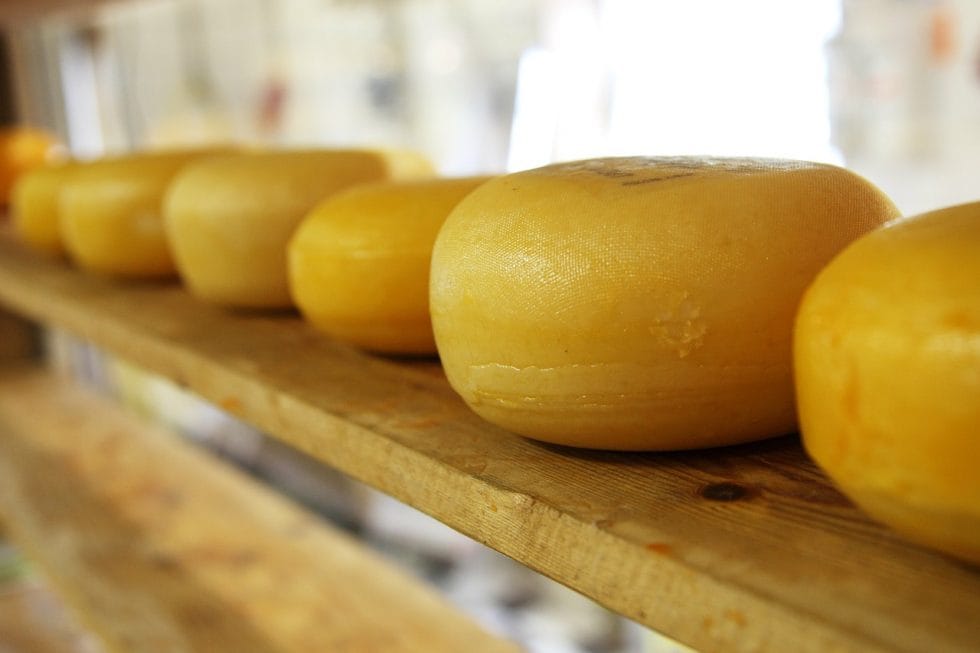
Cheese is one of the most popular foods in the world. It’s even hard to find a kitchen that doesn’t have cheese in their storage. Cheese is not only delicious, but it is also nutritious. Here are the nutritional benefits of cheese that will make you love it even more.
Cheese contains some of the most vital nutrients for humans. This is a great source of calcium, milk fat and protein. It also has vast amounts of vitamin A, vitamin B-12, zinc, phosphorus and riboflavin. If it’s made from 100% grass-fed animal milk, you can be sure that it contains the highest nutrients. It’ll also be a great source of omega-3 fatty acids and vitamin K-2.
Bone Health
Eating a healthy amount of cheese can pave way for proper bone structure. Other than calcium, protein, zinc, vitamin A and vitamin K, it also contains magnesium. All these nutrients can aid the healthy bone development of children and your adults. For adults, it also help minimise the risk of developing osteoporosis.
Dental Health
Cheese can help enhance dental health. In 2015, a Danish study revealed that children with above average intake of cheese were cavity-free, compared to children with below average intake. Calcium not only promote healthy bone development, it also promote the growth of teeth.
Blood Pressure and Cardiovascular Health
Omega-3 fatty acid found in cheese is said to help promote healthy cardiovascular and nervous system. This nutrient helps prevent heart attacks and strokes.
Low fat cheeses can also help reduce blood pressure due to calcium. Cheese, especially Grana Padano, is also known to contain amino acids, which helps in relaxing the blood vessels, thereby reducing the risk of hypertension. Just last year, leading researcher Giuseppe Crippa from the Hypertension Unit of Guglielmo da Saliceto Hospital and Catholic University, noted that cheese works similarly with antihypertensive medications.
Healthy Blood Vessels
In 2014, researchers found out that dairy products, including cheese, could contain ample amounts of glutathione, which is a vital nutrient that promotes brain health and is able to prevent age-related degeneration of the nervous system.
Healthy Cells
Cheese is known to contain vast amounts of protein, which is beneficial for building and repairing cells. Depending on the size, age and activity of a person, the amount of protein required also varies.
For more information about cheese, please feel free to go through our website.
Cheese Kettle is a trusted supplier of dairy equipment in Australia. If you are looking for great advice about cheese making or if you want to start a cheese making business, talk to us. We will provide you with the best information and dairy processing equipment for cheese making.