Cheese is one of the oldest foods in the world. It has been around since 8000 BC. Although not much has changed about how cheese is made, many people are still unaware how to make it and the equipment used to produce cheese. If you plan to start making cheese or if you are an enthusiast or just simply love cheese, here is a list of basic cheese making equipment to help you get to know cheese processing a bit more.
Cheese Pot
A cheese pot is one of the most used cheese making equipment. This equipment is mainly made of non-reactive material, usually stainless-steel, heat safe glass or unchipped enamel. The most common type of pot used in making cheese usually has thick wall and bottom to help prevent scorching. The thick wall and bottom also helps maintain a more consistent temperature throughout the cheese-making process.
Dairy Thermometer
A dairy thermometer is a vital dairy processing equipment to have when you are making cheese. Getting and maintaining the right temperature is important if you want to have consistent outputs. There are many varieties to choose from when it comes to thermometers, you can get digital thermometers, dial heads, etc. There are even some thermometers with clips that will allow you to attach it to the side of your pot so that you can consistently check the temperature.
Skimmer
A stainless steel skimmer is a helpful cheese making equipment. You will definitely use it throughout the cheese making process. It is used to add and mix rennet into milk, to mix in cultures and additives, and to stir and transfer curds into molds or lined colanders.
Curd Knife
Curd knives are thin stainless steel blades with rounded tip. It is long enough to reach the bottom of the cheese pot and the rounded tip prevents it from scratching the pot.
Colander
Colanders are also often used not only in making cheese, but also in your day to day cooking. There’s a high chance that you already have this in your kitchen. Just make sure that your colander is made of stainless steel, enamel or plastic and not aluminium or any other reactive metal. Colander is used together with butter muslin or cheese cloth. Cloth is usually lined to the colander, then curds are placed inside the colander to drain and expel whey.
Cheese Cloth and Butter Muslin
The cheesecloth is a woven cotton, which is used to line molds when the cheese is pressed. Butter muslin has the same function as cheesecloth, however, it has a tighter weave. The cheesecloth and butter muslin are vital cheese making equipment so you should make sure you have a few before you start making cheese.
Cheese Mold
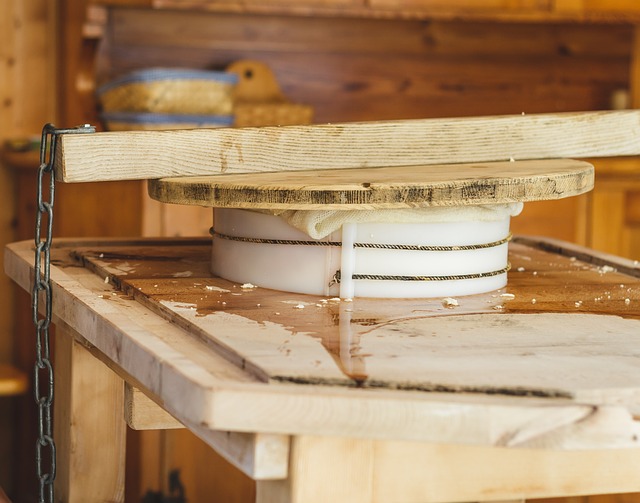
Cheese molds are tools used for shaping the cheese. While these are usually made of food-grade plastic, these are strong enough to handle the weight and tension when the cheese is pressed. However, you can find some molds that are made of stainless steel. Traditionally, molds were made out of materials such as clay, reeds or wood. While these materials are not easy to clean, they can be fun to use. Some molds have open while others have holed bottoms.
 Dip Tray
A dip tray is used to direct the whey into the pan while the curd is being pressed. It is usually made out of stainless steel and it is easy to clean.
Cheese Press
The cheese press is another important dairy equipment. When you gather your curds, you will need it together with the mold and dip tray to apply pressure to the cheese. This is done in order to get rid of the whey inside the curd. A good mechanical cheese press will help show you how much weight is being applied to the curd.
Cheese Draining Mats
Draining mats are typically made of reeds or food grade plastic. It is a tool that helps circulate air on the underside of the cheese during drying and aging process.
Waxing Pot and Waxing Brush
A waxing pot is a tool used to melt wax before it is applied to the cheese. It is best to dedicate one pot entirely for the purpose of cheese waxing. While a waxing brush is used to apply wax into the cheese. It is best to use a brush with natural bristles since synthetic brushes have the tendency to melt and mix into your wax.
Cheese Wrap
Cheese wrap is used to wrap cheese while allowing the right amount of moisture and gas to escape and fresh air to enter the ripening surface of the cheese. There are many types of cheese wraps, however, the most commonly used wraps include clear breathable wrap, two ply cheese wrap and foil wrap.
 pH and Acid Testing Equipment
These cheese making equipment is used for measuring the acidity and pH level of milk, curds and whey. Although it isn’t necessary to monitor the acidity and pH level during the first time you make cheese, it is absolutely necessary if you want to improve your cheese or if you want consistent result.