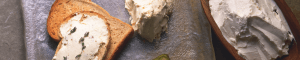

Blue cheese is recognised for its distinct flavour, creamy yet crumbly texture, and characteristic blue veins that run throughout each wheel. The process of making blue cheese involves fermentation, specific cultures, and careful aging, resulting in a cheese that stands out in both taste and appearance. Whether you’re interested in the fermentation process, curious about the health benefits, or want to know how to store and eat blue cheese, this guide covers the essentials.
What Makes Blue Cheese Unique?
Blue cheese is produced using cow’s milk, sheep’s milk, or goat’s milk. The cheese is made by introducing Penicillium cultures-most commonly Penicillium roqueforti or Penicillium glaucum-into the milk or curds. These cultures are responsible for the blue veins and the sharp, tangy blue cheese flavor that blue cheese is known for. The fermentation process, often described as how blue cheese is fermented, is driven by lactic acid bacteria and the breakdown of lactose into lactic acid and is key to developing the cheese’s distinct flavor and texture.
Popular varieties include Roquefort cheese from France, Gorgonzola from Italy, and Stilton from England. Each type of blue cheese offers a unique combination of flavor, aroma, and texture, depending on the milk used and the specific cultures involved.
How is Blue Cheese Fermented
Pasteurisation and Milk Preparation
To produce blue cheese, start with fresh milk. Pasteurisation is used to ensure the milk is safe for human consumption, but some traditional methods use raw milk for added complexity. The milk is heated in a cheese vat or kettle, often made of food-grade stainless steel, to the desired temperature.
Acidification and Coagulation
Once the milk reaches the target temperature, starter cultures and Penicillium cultures are added. Acidification occurs as lactic acid bacteria convert lactose (milk sugar) into lactic acid, which helps develop the cheese’s flavour and texture. Rennet is then added to coagulate the milk, forming curds.
Cutting and Draining the Curds
After coagulation, the curds are cut and gently stirred. Cutting the curds helps release whey, and the curds are drained to achieve the right consistency. This step is important for the final creamy yet crumbly texture of blue cheese.
Molding, Salting, and Piercing
The drained curds are placed into moulds to shape the cheese. Salt is added to enhance flavour and aid preservation. A unique aspect of making blue cheese is the use of stainless-steel needles or rods to pierce the cheese. This creates air channels that allow oxygen to reach the interior, enabling the Penicillium cultures to grow and form the characteristic blue veins.
Aging
Blue cheese wheels are aged in cool, humid environments for several weeks to months. During aging, the Penicillium cultures break down fats and proteins, further developing the cheese’s flavour and texture. The length of the aging process influences the intensity of flavour and the crumbly texture typical of many varieties.
Nutritional Profile and Health Benefits
Blue cheese is a good source of protein, calcium, and other minerals. It contains saturated fat and fatty acids, so moderation is advised. Some studies suggest potential health benefits, such as supporting bone health, reducing inflammation, and providing beneficial compounds for cardiovascular health.
How to Eat and Pair Blue Cheese
Blue cheese can be enjoyed on its own, with bread, or as part of salads. It pairs well with fruits, nuts, and certain wines. The strong, sharp, and sometimes salty flavour complements a variety of foods, making it a versatile addition to many dishes.
Storing Blue Cheese
To maintain its flavour and texture, blue cheese should be wrapped in cheese paper and stored in the refrigerator. Avoid freezing blue cheese, as frozen blue cheese can become crumbly and lose some of its distinct flavour. Proper storage helps prevent the development of spoiled blue cheese.
Conclusion
Making blue cheese involves a careful fermentation process using specific cultures and controlled aging. The result is a cheese with a distinct flavour, creamy and crumbly texture, and characteristic blue veins. Blue cheese offers potential health benefits and can be enjoyed in many ways, from salads to cheese boards. With the right equipment and attention to detail, anyone can produce blue cheese at home or in a small creamery.
Discover our premium cheese kettles designed for efficient and consistent cheese production-visit our products page to view the full range of equipment.
Ready to Start Making Blue Cheese?
We offer solutions for every stage of the blue cheese-making process, from food-grade stainless steel cheese vats to curd handling tools and pasteurisers. Explore our range to find the right equipment for producing high-quality blue cheese.