

Artisan burrata succeeds or fails on consistency: a clean stretch, a soft pouch, and a centre of fresh cream and stracciatella that does not ooze out too early. For Australian makers working with cow’s milk, small changes in culture, temperature, or timing can quickly affect yield, shelf life, and how each ball tastes when served with crusty bread or fresh tomatoes. This guide shares a practical, step-by-step process to optimise every stage while keeping the finished burrata creamy, light, and ready for any simple dish or summer salad.
With demand for premium fresh cheese growing in most grocery stores and at the table, artisan producers are under pressure to scale without losing quality. A clear optimisation approach helps you move from “usually good” to “reliably excellent,” whether the burrata will be sliced over pizza, piled onto toasts with basil and olive oil, or used as a centrepiece in a gorgeous burrata salad. You will see where to measure, what to change first, and how CheeseKettle equipment can support safe, efficient, and repeatable batches.
What Makes Burrata Processes Hard To Control?
Burrata is a fresh mozzarella style that is shaped into a pouch and filled with a mix of cream and shredded cheese, so it is more sensitive than many firm cheeses. Small shifts in pH, curd firmness, or stretch temperature can make the shell too hard to close, cause the filling to leak, or dull the fresh, sweet flavour people expect when they cut into the ball. Because many artisan makers work at a small scale, seasonal changes in cow’s milk and tiny timing differences show up clearly in each batch.
Customer expectations add to this challenge. People now imagine finished burrata that looks luscious on a plate, with a soft, creamy interior ready to spread onto warm bread or swirl through pasta with pesto and sweet tomatoes. Meeting that standard every time calls for tighter control than a basic fresh mozzarella, but it does not have to mean losing the handmade feel.

How Should Artisan Burrata Makers Map Their Process?
Before making any changes, write down your current burrata process from milk intake to packing, including every warm and cold step. A typical artisan flow includes pre-operational checks, fresh mozzarella make, staging of ingredients, filling preparation, pouch forming, brining, and chilled storage. This simple map makes it easier to see long waits, warm holding times, or repeated handling that may affect quality, safety, or flavour.
This same approach also supports a clear food safety plan. If you flag each point where curd or filling might sit in the wrong temperature range, you can adjust timings or equipment to protect both safety and the soft, creamy texture customers love. Over time, your process map becomes a live tool that tracks how each improvement changes the finished burrata.
Which Measurements Have The Biggest Impact On Yield And Consistency?
Focusing on a few key measurements keeps optimisation simple while still making a visible difference to finished burrata. For most artisan makers, pH, temperature, and yield or ball weight at the same points in every batch give enough data to guide steady improvement. Tracking these values beside your notes about texture, taste, and any issues at filling or brining will reveal patterns within a few weeks.
Moisture and salt also matter because they affect how your burrata behaves when eaten in real dishes. A ball that is too salty or too dry may not pair well with peaches, prosciutto, or a drizzle of olive oil and balsamic on a summer salad, even if it looks fine in the bag. Simple hand tools, rather than complex lab gear, are enough to control these factors in most small plants.
How Can Milk Handling And Pasteurisation Be Optimised For Burrata?
Consistent burrata starts with milk that is cooled quickly, held at even temperatures, and kept clean from the farm to the vat. For many artisan makers, the first optimisation step is to reduce temperature swings, long waits, and extra transfers that can allow unwanted microbes to grow. In warmer Australian regions, these small changes make a big difference to both safety and the final taste.
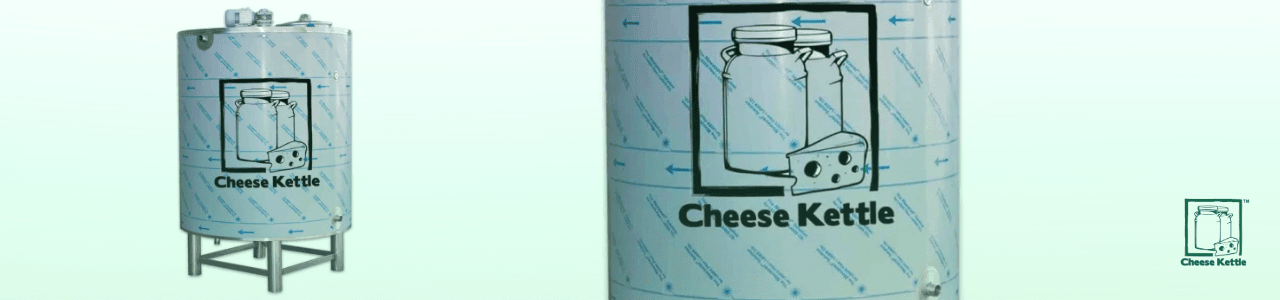
CheeseKettle’s 400 Ltr Stainless Steel Milk Tank and Milk Cooling Tank With Chiller and CIP System help keep your milk at controlled temperatures and simplify cleaning between batches. This supports both steady acid development and dependable stretch behaviour later in the process. When milk handling is stable, it is easier to produce burrata with a soft, creamy centre and a delicate outer layer that holds its shape when sliced at the table.
What Pasteurisation Setup Works Best for Artisan Burrata?
For artisan burrata, batch pasteurisation remains a practical and gentle option. It allows you to heat cow’s milk carefully, protect functional proteins for a good stretch, and cool quickly to the right pitching temperature for cultures. The goal is to hit your time and temperature targets, avoid long holding periods, and keep each batch aligned with the quantity you can process into burrata without rushing.
CheeseKettle’s pasteuriser range fits different growth stages. The 50 Ltr Pasteurizer For Milk suits trial runs, seasonal specials, and recipe development, while the 100 Ltr Milk Pasteuriser With Chiller and 200 Ltr Milk Pasteurizer cover daily production for many artisan creameries. For sites aiming to lower energy use, the Milk Pasteurization Machine with Heat Recovery System can cut running costs while maintaining consistent heating and cooling.
How Can Curd Formation and Cutting Be Tightened?
Curd formation sets the stage for stretch, so control here feeds directly into the quality of your burrata shell. Good curd has a clean break, even set, and enough strength to be cut into uniform pieces without excess fines, which otherwise wash away in the whey. Standardising coagulant dose, set time, and cutting patterns helps you hit the same texture in each batch.
A Cheese Harp from CheeseKettle, custom-built for your vat dimensions and preferred cut size, helps you get even cubes across the whole curd mass. For some makers, pairing the harp with a Swiss Style Cheese Curd Cutter supports alternative formats or trials where you want smaller or larger pieces. Once staff can rely on the same curd size and firmness, it becomes easier to manage downstream moisture and texture.
How Should Curd Maturation And Stretching Be Controlled?
Curd maturation before stretching is one of the most critical stages for burrata. As the pH drops, the curd moves from rubbery to elastic, making it possible to stretch into a smooth, shiny layer that can be shaped into a pouch. Under-developed curd tears and resists shaping, while over-developed curd becomes brittle and prone to cracking when you fill it.
Practical control comes from combining sensory checks with simple measurements. Makers often describe the ideal curd at stretch as smooth, elastic, and pleasantly warm, forming a glossy sheet as you pull it from the water. When you match that tactile feedback with a target pH and steady stretch water temperature, you can reproduce the same soft yet resilient shell across multiple batches.
How Can Filling, Pouch Closure, And Brining Be Streamlined?
The filling is where your burrata becomes more than just fresh mozzarella. A classic mix of shredded mozzarella and fresh cream, sometimes with a touch of ricotta, should feel rich but not heavy, with a smooth texture that spreads easily when guests cut into the ball. To protect both taste and safety, this filling must be kept cool, handled gently, and portioned consistently.
Organised workspaces make this easier. Set up a clean area where warm shells move directly from stretch to filling, then straight into brine without long delays. Standardised motions for closing the pouch help avoid weak spots that can open in the bag or on the plate, whether the burrata is destined for a simple salad with basil and olive oil or a more indulgent dish with prosciutto, peaches, and a sprinkle of salt and pepper.
How Can Process Optimisation Improve the Burrata Eating Experience?
Technical control matters because it shapes how your burrata is eaten and enjoyed. When process steps are stable, you can rely on a creamy centre that gently oozes when cut, a shell that holds together on toasts or pizza, and a flavour that balances sweet milk, gentle salt, and a light tang. This makes your cheese a reliable base for any easy recipe your customers create at home.
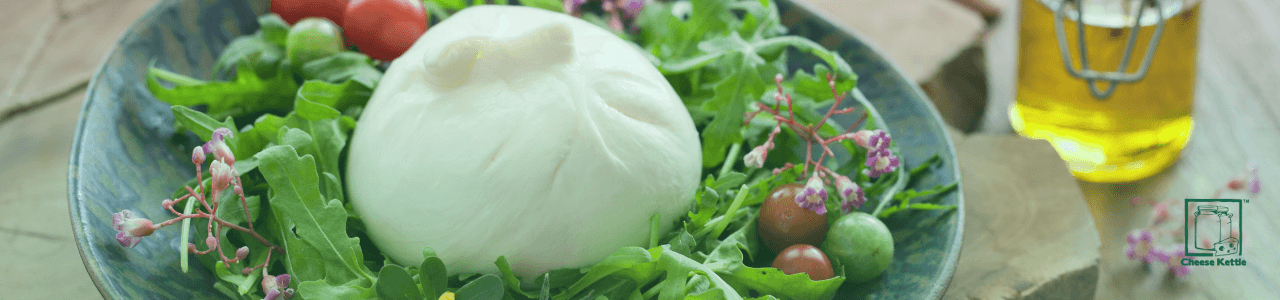
Imagine a finished burrata placed in a shallow bowl, topped with a drizzle of olive oil, a sprinkle of flaky salt, and cracked pepper. Around it you might add slices of ripe tomatoes, a few leaves of fresh basil or mint, toasted bread rubbed with garlic, or even grilled peaches with a little oregano and pine nuts. Process optimisation behind the scenes is what allows every ball from your creamery to behave this way on any table, whether it is part of a simple appetizer, a summer salad, or a decadent treat for guests.
How Can CheeseKettle Equipment Support Step-By-Step Optimisation?
Equipment choices either support your process or make control harder. For artisan burrata, you need vessels and tools that are easy to clean, stable in temperature, and sized correctly for your daily volume. CheeseKettle’s range for small to medium producers is designed to support these needs while leaving room for you to adjust recipes, shapes, and fillings.
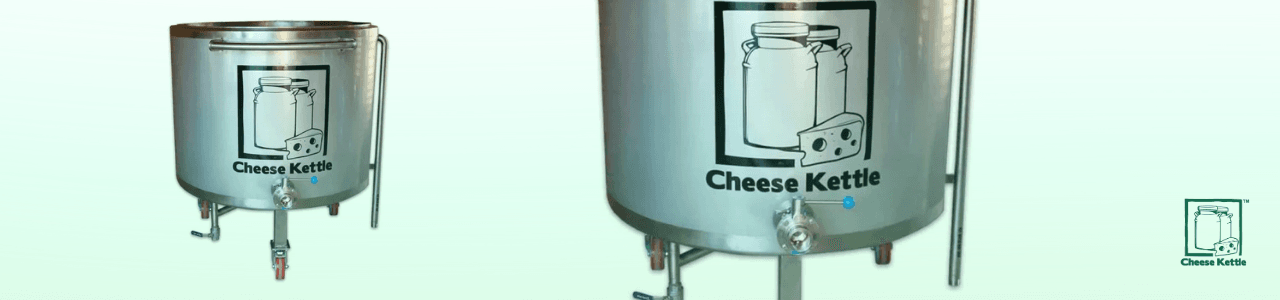
The 200 Ltr Cheese Making Kettle Vat and 240V Single Phase Cheese Vat provide jacketed heating, gentle agitation, and reliable controls, ideal for fresh mozzarella curd that will be shaped into burrata. When combined with the Cheese Harp, suitable pasteuriser capacity, and a 500 Ltr Brine Tank, they form a solid platform for improving each step without jumping straight to heavy automation. This means you can refine your process batch by batch while still shaping, filling, and finishing the burrata by hand.
What Are the First Practical Steps for Artisan Burrata Optimisation?
The most effective way to start is to choose a few steps and improve them steadily rather than trying to change everything at once. For many makers, the quickest gains come from better record keeping, tighter time and temperature control, and small upgrades to milk handling and curd cutting tools. Once those are in place, you can refine pH targets, maturation schedules, and filling routines.
As your data builds, it becomes easier to link specific changes to improvements in yield, texture, and flavour. You can then plan when to scale your vats, pasteurisers, and brine capacity to meet growing demand from grocery stores, restaurants, and direct customers who already love your burrata. This structured approach protects the character of your cheese while making every batch more predictable.
Conclusion: How Can CheeseKettle Help You Implement These Optimisations?
Well-optimised burrata production comes from clear process mapping, focused measurements, and equipment that supports safe, steady, and flexible work. By tightening control over milk handling, pasteurisation, curd preparation, stretching, filling, and brining, artisan Australian cheesemakers can deliver burrata with a consistently creamy centre, a soft but stable pouch, and a flavour that shines in any simple or rich recipe.
Ready to turn your next batch into a more reliable, luscious burrata that stands out on the plate and at most grocery stores? Contact CheeseKettle today about the 200 Ltr Cheese Making Kettle Vat, 100 Ltr Milk Pasteuriser With Chiller, and Cheese Harp to support your step-by-step optimisation and help you serve burrata that is as dependable in the make room as it is delicious at the table.