

A consistent cottage cheese cream dressing starts with clean curds, controlled moisture and gentle mixing. The aim is soft, separate curds coated evenly in a creamy mixture, with little free liquid in the finished bowl or tub. This matters whether you make small batches from fresh skim milk or manage a commercial dairy process using fresh milk delivered daily. The same practical controls help protect mild flavor, fresh taste and a pleasing texture in low fat, full fat cottage cheese and other dairy products.
Texture Starts with the Milk and Curd
Fresh milk is the foundation of cottage cheese, so receive it cold, check its condition and process it promptly. Pasteurise the milk using a validated time and temperature method, then cool it as required before culture and coagulation to support a clean taste and consistent curd formation. Cottage cheese curds form when milk acidifies. Depending on the recipe, a maker may use a culture and a small amount of rennet, while lemon juice, citric acid or vinegar can acidify small home-style batches; commercial recipes should be tested and documented rather than adjusted by guesswork. A firm but tender gel is easier to cut cleanly. Cutting too early makes fragile curds, while waiting too long can make them tough and less able to take up the cream dressing.

Even Cutting and Gentle Heating Protect the Curds
Uniform curds are one of the clearest signs of a controlled cottage cheese process. A Cheese Harp can be made to suit the vat and helps create more even curd pieces, giving them a similar rate of whey release during heating, washing and draining. After cutting, use medium heat and slow, careful stirring. The curds should firm gradually as whey separates, but fast stirring, high heat or repeated rough transfers can break them into fine pieces and leave the final mixture soft, pasty or uneven. The 200 Ltr Cheese Making Kettle Vat is suited to medium-scale cheese making because its jacketed heating, agitation and temperature controls support more even heating and curd formation. For smaller operations without three-phase power, the 240V Single Phase Cheese Vat provides a practical alternative.
Washing and Draining Set the Moisture Level
Once the curds have reached the desired firmness, drain the whey and wash the curds with clean chilled water. Washing cools the curds, reduces residual acidity and helps them retain a mild flavor, but the time, water temperature and number of washes should remain consistent from batch to batch. Drain thoroughly before adding salt or fresh cream. Too much liquid remaining between curds can dilute the dressing and later appear as free whey, while over-draining can leave dry curds that do not coat evenly. For small test batches, a colander lined with cheese cloth or cheesecloth can help separate the curds from liquid without crushing them. At larger scale, use food-safe draining equipment that lets the curds settle and drain with minimal disturbance.

The Cream Dressing Needs Balance
The dressing gives cottage cheese its creamy body, but it should support the curds rather than hide them. Use a measured mixture of fresh cream, milk solids, salt and other permitted ingredients according to your product recipe, then chill it before blending with chilled curds. Some commercial formulas use locust bean gum or guar gum as a stabiliser, and an acidity regulator may be used where appropriate. These ingredients need accurate weighing and proper mixing; using more than the recipe requires will not solve poor drainage and may create an overly thick texture. Full fat cottage cheese generally uses a richer cream dressing, while low fat cottage cheese may need closer attention to moisture and body. Keep the target fat, sodium and protein values documented so each pack aligns with the intended nutrition panel and product description.
Low-Shear Mixing Keeps Curds Intact
Add the dressing in a controlled amount and stir only long enough to coat the curds. Folding or slow paddle mixing is generally kinder to the curds than fast mixing, particularly after they have been washed and cooled. Check samples from different points in the mixer before filling. Each sample should show a similar balance of curds and cream, with no concentrated salt, dry patches or watery areas. Before packaging, confirm that:
Curds are distinct, soft and evenly sized.
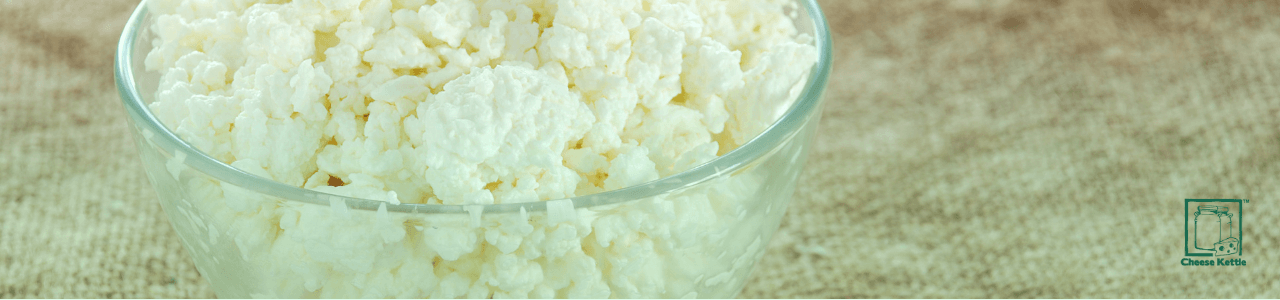
Dressing coats the curds without pooling in the container.
The product has a fresh, mild taste and clean dairy aroma.
Pack weight, fat and salt targets meet the approved recipe.
Practical Equipment for Repeatable Batches
Equipment should make the process easier to repeat, clean and monitor. The 50 Ltr Pasteurizer for Milk is an entry-level option for craft production, while the 100 Ltr Milk Pasteuriser with Chiller provides controlled heating and integrated cooling for small commercial batches. For larger output, the 200 Ltr Milk Pasteurizer offers batch capacity with precise temperature controls. Producers handling more milk before processing may also consider the 400 Ltr Stainless Steel Milk Tank or Milk Cooling Tank with Chiller and CIP System, depending on their site and cleaning requirements. Choose equipment based on batch volume, power supply, cleaning access and the process steps you want to control. Record milk temperature, cutting time, heating, wash water, drain time, dressing weight and final appearance so staff can identify the cause of any texture change.
Pack, Chill and Serve with Care
Cottage cheese is a fresh dairy food, so fill it promptly after mixing and keep it cold through storage and transport. Use a documented food safety plan, clean equipment and clear batch records to support product quality and meet relevant Australian food requirements. A well-made cottage cheese can be served in a bowl with fruit and honey, spread on toast or crackers, mixed into salads, or used as a substitute in many recipes. Its high protein content, calcium, vitamins and other nutrients can make it a useful option for breakfast, meals, sandwiches, pancakes, muffins, cakes or a fruit smoothie, though nutrition and calories vary by recipe and portion. Cottage cheese is vegetarian friendly when the culture and coagulant used meet that requirement. People who limit lactose, sodium, fat or dairy should review the label and select a product suited to their diet and consumption needs.

Consistent Texture Comes from Simple Controls
Reliable cottage cheese texture comes from a connected process: good milk, even curds, careful heating, measured washing, complete drainage and chilled dressing mixed gently. Keep each step clear and repeatable and address excess whey or broken curds at their source rather than trying to correct them with extra cream or thickener. Start with a written batch sheet and a small set of texture checks. Compare finished packs side by side, note changes in curd size, liquid, flavor and cream coverage, then adjust one process setting at a time. For support with suitable cheese-making equipment, contact CheeseKettle about the 200 Ltr Cheese Making Kettle Vat, Cheese Harp, 50 Ltr Pasteurizer for Milk or 100 Ltr Milk Pasteuriser with Chiller. Our team provides practical guidance for makers who want a reliable cottage cheese process at the scale that suits their business.