
Turning a home cheese recipe into a compliant small-scale production process starts with treating your method as a controlled series of steps instead of a casual kitchen routine. The goal is to keep the character of your cheese while improving consistency, hygiene, and recordkeeping. With the right setup, a home cheese maker can move from homemade cheese in a large pot to a repeatable process built for small-batch production.
That shift does not mean abandoning traditional methods or the simple appeal of fresh cheese made from fresh milk, whole milk, goat’s milk, or cow’s milk. It means putting structure around how you heat milk, form cheese curds, remove whey, add salt, and document each batch. For producers ready to grow, the process can be built around the 50 Ltr Pasteurizer for Milk and the 240V Single Phase Cheese Vat for Sale.
Formalising Your Home Cheese Recipe
Many people first learn how to make cheese by following homemade cheese recipes with lemon juice, white vinegar, apple cider vinegar, or starter culture in a large pot. That approach is useful for learning, but once you plan to sell a cheese product, the whole process needs to be clear and repeatable. A compliant process depends on defined temperatures, clean equipment, controlled timings, and simple records.
At home, it is common to make small changes by feel, such as using more vinegar, a bit longer heating time, or more salt to adjust taste. In small-scale production, those choices need to be written down so the finished cheese stays consistent from batch to batch. This is especially important whether you are making soft cheese, cottage cheese, ricotta, queso fresco, queso blanco, or harder styles that may develop into something closer to aged cheddar.

Mapping Your Existing Cheesemaking Process
The easiest way to turn homemade cheese into a small production method is to map each step in the order it happens. Start with receiving milk and continue through heat treatment, culture addition, curd set, cut curd, stirring, draining whey, salting, moulding, and packing. Even simple recipes benefit from being written in a clear sequence.
This mapping stage often reveals where a recipe depends too heavily on habit instead of measurement. You may notice phrases like milk begins to steam, stir gently for a while, or leave it a bit longer until the solid curd feels right. Those descriptions are useful in a home kitchen, but for small-batch production they should be replaced with measurable targets and observations that anyone can follow the same way.
Pasteurisation Options for Small-Scale Production
Pasteurisation is one of the biggest changes when moving from a home recipe to compliant small-scale cheese making. Home cheese maker methods may use raw milk or unpasteurised milk straight from a local source, especially for fresh cheese or making soft cheese. In a production setting, controlled pasteurisation helps reduce risk and gives you a stable starting point for each batch.
The 50 Ltr Pasteurizer for Milk is well suited to this stage because it supports small-scale pasteurisation with controlled heating. Instead of watching the milk surface and guessing when the milk begins to reach the right point, you work toward a defined target temperature and hold time. That makes it easier to process fresh milk, whole milk, cow’s milk, or goat’s milk in a more consistent and documented way.
Integrating a 50 Ltr Pasteurizer into Your Process
Integrating a 50 Ltr Pasteurizer into Your Process starts with choosing a standard batch size and building your recipe around it. If your old recipes were based on a few litres of liquid milk in a large pot, they now need to be scaled carefully so the same flavor, texture, and curd behaviour can be repeated at 50 litres. This is where written notes on salt added, acid level, culture timing, and draining whey become especially useful.
In practice, the pasteurizer becomes the starting point of your production run. You load fresh milk or pasteurized milk into the unit, heat to your target temperature, hold it for the required time, then cool to the correct point for culture or acid addition. From there, the rest of the whole process can follow your chosen cheese style, whether that is fresh cheese, queso fresco, cottage cheese, ricotta, or another soft cheese.

Moving to a 240V Single Phase Cheese Vat
As production grows, many small producers reach a point where they want one vessel that can support both pasteurisation and cheesemaking. The 240V Single Phase Cheese Vat for Sale suits that stage because it combines pasteurisation and cheesemaking in one setup for producers scaling from home recipes. It also suits operations that use standard single-phase power instead of a larger industrial power supply.
Using one vat can reduce unnecessary transfers between vessels and simplify cleaning between batches. That matters when you are trying to keep the process clean, avoid waste, and preserve the flavor and texture you worked hard to develop at home. For some producers, this is the step that turns a home cheese maker setup into a reliable small business workflow.
Building Pasteurisation and Temperature Checks into SOPs
A compliant process needs simple written procedures that explain how each batch is handled. These procedures do not need complex technical language. They just need to show how you heat milk, check temperature, cool it down, add ingredients, and confirm that each stage happened as planned.
For example, your procedure might describe when milk begins to heat, when it reaches the target temperature, how long it must stay there, and when it is ready for starter culture or acid. It should also explain what to do if the batch falls outside the intended range. This keeps the process clear whether you are making fresh cheese eaten fresh or working toward a firmer final cheese.
Essential Sanitation Practices at Small Scale
Sanitation is one of the most important parts of small-scale cheese making because milk and whey leave residues that can affect the next batch. A clean setup helps protect quality whether you are making soft cheese, hard cheeses, cottage cheese, ricotta, or homemade butter as a side product. It also helps maintain a more reliable flavor and texture in the final cheese.
At this scale, sanitation means more than a quick rinse with hot water. It includes cleaning the pasteurizer, vat, draining cloth, utensils, moulds, pipes, and contact surfaces after every batch. Any remaining liquid, more whey, or milk surface buildup should be removed before the next production run begins.

Keeping Batch Records Simple and Useful
Batch records are often the difference between a recipe and a production process. They help you track what milk was used, what ingredients went in, what temperatures were reached, how the curds formed, and how the final cheese turned out. These records do not need to be complicated to be useful.
A simple batch sheet can capture the essentials without slowing down your work. It might include the milk type, fat content, pasteurisation time, target temperature, starter culture details, salt level, and notes on draining whey or remove whey steps. It can also record whether the cheese was packed as fresh cheese, held for several hours, or set aside for longer ageing.
Aligning Your Process with Australian Expectations
A small-scale cheese process in Australia should be built around safe handling, documented pasteurisation, good cleaning, and traceable records. The exact details may vary depending on location and product type, but the practical direction is clear. Producers need to show that milk handling, heat treatment, and hygiene are controlled from start to finish.
This is why the process should be built around documented pasteurisation, sanitation, temperature checks, and batch records before increasing volume. When these basics are in place, it becomes easier to scale from homemade cheese into a compliant small production model. It also helps support a more stable product range, whether the goal is fresh cheese, cheese curds, or more developed hard cheeses.
Scaling Volume While Maintaining Control
Scaling too quickly can put pressure on quality, especially when a recipe was originally designed for a home kitchen. The safest path is to increase volume only after the process has already been written down and tested at a small batch size. That lets you see whether your curds, whey handling, salt balance, and flavor remain consistent.
A good scale-up process often begins with repeating the same batch several times in the pasteurizer, then moving suitable recipes into the 240V Single Phase Cheese Vat. This helps maintain the same way of working while reducing guesswork and improving efficiency. Instead of changing everything at once, you preserve the recipe and improve the system around it.
Balancing Pricing, Power, and Capacity in Equipment Choice
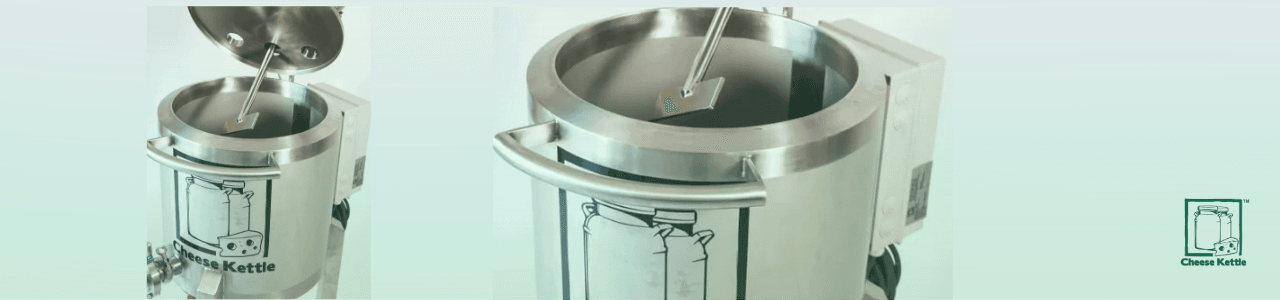
Choosing equipment is not only about how much milk you want to process. It is also about the power available on site, how many transfers you want between steps, and how much manual handling your team can manage. For many emerging producers, this is why the 50 Ltr Pasteurizer for Milk and 240V Single Phase Cheese Vat make practical sense.
The 50 Ltr Pasteurizer suits producers starting with small-scale pasteurisation, while the single-phase cheese vat supports those ready to combine pasteurisation and cheesemaking in one setup. Together, they offer a path from home cheese maker routines to a more structured operation without forcing a jump into oversized equipment too early.
Factor | 50 Ltr Pasteurizer for Milk | 240V Single Phase Cheese Vat |
|---|---|---|
Main use | Small-scale pasteurisation | Pasteurisation and cheesemaking in one setup |
Best for | Early-stage small producers | Producers scaling from home recipes |
Power fit | Small-site friendly | Single-phase power sites |
Workflow | Separate pasteurisation step | Combined process in one vessel |
Value | Good starting point for documented control | Better efficiency as volume grows |
Practical Next Steps for Small-Scale Cheesemakers
The most effective way to move forward is to choose one recipe and convert it into a written, repeatable process. Start with the milk type, such as lactose free milk, organic milk, evaporated milk, or other dairy products you use, then note the heating method, whether you heat over direct flame or in boiling water. From there, write down the target temperature, curd formation method using starter culture, citric acid, lactic acid, or calcium chloride, the remove whey step, salting, and packing routine, including when the curds sit undisturbed and any use of cream or a liquid substitute.
Then test that written method over several batches without changing too many variables, using simple tools like a wooden spoon and careful timing so it remains easy to follow for anyone who love cheese. Once the process is stable, equipment choice becomes much clearer. The 50 Ltr Pasteurizer for Milk can support early-stage documented pasteurisation, while the 240V Single Phase Cheese Vat can support the next step for producers who want pasteurisation and cheesemaking in one system. That progression helps protect the open texture and flavor of your cheese while making the process easier to manage and scale.