
Getting small-batch condensed milk right comes down to even heat, controlled concentration, and constant movement so solids in the milk never sit too long on hot metal. When you combine the correct cooking time profile with steady agitation in a jacketed kettle, you reduce burning, flavour defects, and lost batches. This guide walks you through a practical, repeatable set-up that suits artisan makers and small commercial plants in Australia using a 200 Ltr Cheese Making Kettle Vat.
Condensed milk sweetened condensed milk, and evaporated milk also have to hit the right solids and sweetness while staying safe and stable for storage in an airtight container. Local standards define what counts as condensed and evaporated milk based on milk solids and fat levels, so your process needs to be controlled enough to land in range every time. Below, you will learn how to configure your equipment, choose process parameters, and run a controlled simmer that avoids scorching while still being efficient and suitable for desserts and exciting recipes.
Understanding Non-Scorching Condensed Milk Processing
Non scorching processing means you never push the product past its limit or allow stagnant layers to sit on hot surfaces. In practice, that means running moderate temperatures, using a jacketed heating surface, and maintaining mixing all the way through concentration. When you control these three variables, you avoid burnt flavours, sediment, and damaged protein in sweetened condensed milk and homemade sweetened condensed milk.
Heat stability drops as solids increase, so conditions that were safe when working with fresh milk or whole milk can cause problems once you approach high condensed solids. A stepwise approach gentle start, controlled ramp, then careful finishing keeps you below critical thresholds while still reaching the right texture. This is true whether you plan to use the condensed mixture for ice cream, lemon meringue pie, baked slices, dulce de leche, or other baking recipes.
Setting Up the 200 Ltr Cheese Making Kettle Vat
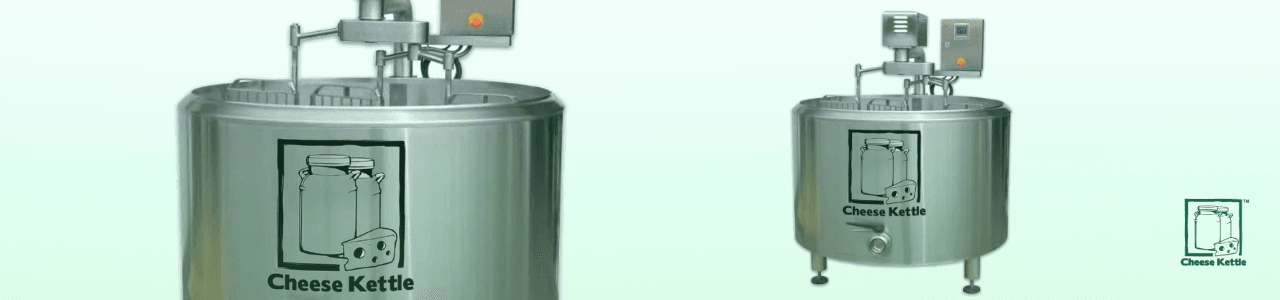
A 200 Ltr Cheese Making Kettle Vat gives you a jacketed heating system, precise temperature controls, and an integrated agitator, which suits concentrated dairy processing with added sugar. Because the heating medium runs through the jacket and not direct flame, surface temperatures are lower and more uniform, which lowers scorch risk when working with thick condensed milk. For small batches of sweetened condensed milk, you can use the same vessel for heating, concentration, and initial cooling, which keeps the process simple.
Set up the kettle with your chosen heat source, check that temperature probes are accurate, and confirm that the agitator speed control works across a low to medium range. The variable agitator lets you apply gentle mixing for thin fresh milk at the start, then increase intensity as the mixture thickens. This keeps the milk and sugar moving without adding too much air, which is useful for later uses in desserts, chocolate dishes, and baking recipes.
Choosing Milk and Pre Treatment to Reduce Scorching
Starting with consistent, high-quality milk improves stability and reduces the risk of fouling as you concentrate. Milk from healthy cows that is fresh, within normal pH range, and properly standardised generally withstands controlled heating better. Many small makers standardise whole milk for fat and solids then pasteurise before concentration to support a safe and stable condensed product.
For sweetened condensed milk, white sugar or other sugar added options such as maple syrup are usually blended into the milk before or during concentration. This raises solids and thickness and is part of what gives sweetened condensed milk its long shelf life and pleasant flavour. A good base milk low in off flavours and with stable proteins gives you more margin before the mixture is at risk of catching on the hot metal.
Planning Temperature and Cooking Time to Avoid Scorching
In many large factories condensed milk is made under vacuum so boiling happens at lower temperatures. In small scale kettle work you rely on controlled heating and steady movement instead. The main idea is to start with a gentle warm up, move into a steady evaporation zone, then slow down and tighten control as the mixture thickens near the endpoint.
Milk and concentrated milk only tolerate so much heat before flavour and texture change. Keeping your product at moderate temperatures and limiting how long it sits at the top of your range helps preserve colour and taste while reducing burnt on layers. You also avoid over browning that could change the intended flavour, unless you are making a product like dulce de leche where deeper colour and flavour are part of the dish.

Using Agitation and Heating Control to Prevent Hot Spots
In thick dairy products like sweetened condensed milk, scorch risk is highest where metal meets milk. The 200 Ltr Cheese Making Kettle Vat jacketed heating and variable agitator are designed to keep the milk and sugar mixture moving across the surface. When the product is always moving, no layer sits still long enough to burn, even as it thickens.
As solids rise, you should increase agitator speed while moderating the heating rate. Steady agitation also helps dissolve sugar evenly and prevents local pockets with extra sugar added that can overheat. In the later stages, the mix of moderate jacket temperature, slightly higher agitator speed, and close attention from the operator keeps both the kettle surfaces clean and the condensed product smooth for desserts, slices, or ice cream.
Step By Step Small Batch Condensed Milk Process
A clear sequence makes it easier to train staff and repeat success. While exact numbers depend on your recipe and any added ingredients, the method steady agitation, gradual heating, and close monitoring stay the same. The 200 Ltr Cheese Making Kettle Vat allows you to run the full batch in one vessel, from pre heating fresh milk through to initial cooling, before you move the mixture into an airtight container.
Below is a practical high-level process that you can adapt, whether you are preparing a base for lemon meringue pie, slices, homemade sweetened condensed milk for baking, or a sauce for desserts. Always set final values according to your own tested recipes and safety requirements.
Monitoring Viscosity and Endpoint for Consistent Results
As solids rise in condensed milk, pushing concentration too far or too fast increases the risk of scorching or unwanted thick lumps. Thickness is your most practical indicator in a small batch setting. As the mixture thickens, power draw on the agitator may rise, flow in the tank changes, and samples will fall from a spoon in a slower, more continuous stream.
Regular sampling during the final stage helps you avoid over cooking. You can combine visual checks with simple measures such as density or solids by a quick method to decide when to slow down the heat and move into a holding phase. This kind of endpoint control also supports consistent texture when you later use the product in baking, chocolate dishes, or classic recipes that recall the early work of makers like Gail Borden, who helped popularise canned sweetened condensed milk.

Comparing Kettle Based and Vacuum Concentration
Large plants often use vacuum systems to allow boiling at lower temperatures, while many artisan and small commercial makers rely on jacketed kettles. Both approaches aim to concentrate milk without scorching, but they differ in scale, complexity, and flexibility. A 200 Ltr Cheese Making Kettle Vat offers a simple, flexible option for small batches of condensed and sweetened condensed milk.
Below is a plain comparison of how using a 200 Ltr Cheese Making Kettle Vat compares with a dedicated vacuum system from a practical point of view.
Cleaning and Maintenance to Lower Scorch Risk Over Time
Even a well-run batch can leave thin deposits if cleaning is not consistent. These residues can become starting points for scorching in the next condensed run. A solid cleaning routine for the 200 Ltr Cheese Making Kettle Vat keeps heat transfer stable and makes it easier to hold gentle, even temperatures for both condensed milk and other dairy products.
Regular checks of agitator blades, baffles, and seals help ensure there are no rough patches where milk or sugar can catch and burn. Well maintained equipment also supports safe storage by reducing unplanned stops that leave hot product sitting still. This matters when you want a reliable shelf life for condensed milk stored in cans, jars, or any airtight container, ready for future dishes and recipes.

Conclusion
A non-scorching small batch condensed milk process depends on controlled temperature, continuous movement, and thoughtful endpoint management, not just on high heat and long cooking time. When you use the 200 Ltr Cheese Making Kettle Vat jacketed heating, cooling, and variable agitator to keep milk, sugar, and other main ingredients moving, you protect flavour, texture, and yield at artisan and small commercial scale.
By starting with good milk, following a gradual heat profile, and watching thickness closely as solids rise, you can repeatedly reach the right condensed texture for baking, desserts, and homemade sweetened condensed milk recipes. Are you most interested in setting this process up for a single signature dish such as lemon meringue pie or for a wider range of slices and exciting recipes?