

Sour cream fermentation tanks for micro‑dairies need to match your batch size, hold a stable incubation temperature and cool quickly once your target acidity and tangy flavour are reached. A good tank helps you make sour cream with consistent taste and thick, creamy texture, whether you sell direct or supply local shops. It should also suit other recipes and products, so your investment supports more than one line.
What Does a Good Sour Cream Fermenter Need to Do?
A good sour cream fermenter must heat cream or whole milk safely, hold your cream mixture at a steady fermentation temperature, and then chill it so the product is ready to refrigerate and store. It should support the metabolic activity of lactic acid bacteria while keeping harmful bacteria under control. The result you want is a creamy, thick, tangy mixture with a stable consistency and clean flavor.
In simple food science terms, lactic acid bacteria convert lactose in the milk and cream into lactic acid, which helps casein proteins interact and form a strong gel structure formation. Gentle control of this process lets you make sour cream with a smooth body that works in sauces, soups, tacos and baking recipes. Whether you are making a traditional sour cream recipe or a richer version with high fat content, the same controlled process applies.

How Do You Choose the Right Batch Size for Your Micro‑Dairy?
Batch size should reflect how much sour cream you can sell before it reaches the end of its shelf life, and how much cream you can supply from your dairy. Smaller batches help you test new recipes, such as a richer style that suits baking or a lighter version that feels closer to Greek yogurt. Larger batches suit steady demand, where you want a simple process, you can repeat every week.
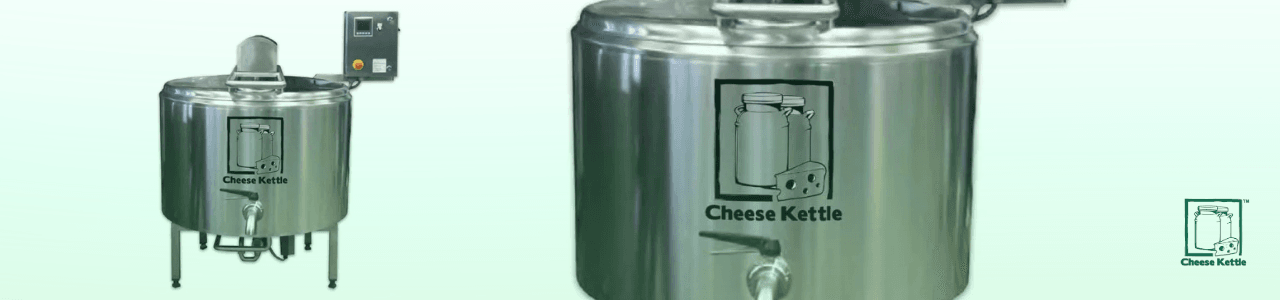
CheeseKettle’s 50 Ltr Pasteurizer for Milk is ideal for developing your base sour cream recipe, or for those who want to make sour cream alongside yogurt and other cultured foods. The 100 Ltr Milk Pasteuriser with Chiller suits micro‑dairies ready to move from trial batches to a regular production schedule with reliable volumes. Both help you move beyond a jar or mason jar trial in a fridge into a well‑planned production run, without jumping straight to large industrial tanks.
Why Does Insulation Matter So Much During Sour Cream Incubation?
Insulation matters because sour cream relies on slow, steady bacterial fermentation and a stable temperature to reach the right taste and thickness. If the tank loses too much heat, the process may slow and the mixture may not thicken as planned. If it overheats, the flavor can move from pleasantly sour to harsh, and the gel may weaken.
In a well‑insulated tank, lactic acid builds up slowly and evenly through the mixture, helping casein proteins form a smooth network without needing artificial thickeners. This type of control is important when you want to match or improve on store bought sour cream in sweetness, tang and consistency. Good insulation also reduces energy use, which matters when your fermenter doubles as a pasteuriser and you use it many times a week.

How Do Mixing and Agitation Affect Sour Cream Texture?
Mixing helps distribute starter culture evenly and can keep the mixture from separating, especially if you work with heavy whipping cream or high fat content blends. But the mixing must be gentle, so it does not break the forming gel or push too much air into the mixture. A slow stir helps lactic acid reach all parts of the bowl or tank and supports even texture.
In a small fermenter, you can use built‑in agitation or plan short mixing intervals while the lid is on to protect the mixture. This is different from stirring a jar with a spoon at home, where a rubber band and plastic wrap might hold the cover in place. A purpose‑built fermenter lets you run the process with simple ingredients, without needing to review recipe notes constantly or comment something new in your records after every batch.
Can a Pasteuriser Really Double as a Sour Cream Fermenter?
A small batch pasteuriser can act as a fermenter when it offers good temperature control, insulation and gentle mixing. In practice, you pasteurise the milk or cream, cool it to your target temperature, add your starter culture, then hold it until the mixture thickens and reaches the desired sour flavor. This lets you move from homemade sour cream style batches into a more repeatable process without changing vessels.
CheeseKettle’s 50 Ltr Pasteurizer for Milk and 100 Ltr Milk Pasteuriser with Chiller can both be used in this way, turning simple ingredients like cream and starter culture into a finished sour cream that feels creamy and rich. They support a process that is similar in concept to using a mason jar with a lid in a warm spot, but with much better control of temperature and hygiene. You can still experiment with ideas from home methods, like using buttermilk, lemon juice, white vinegar or even citric acid as part of your culture system, but you now do it in stainless instead of a jar on the bench.

How Should You Validate Your Sour Cream Incubation Profile?
To make sour cream with a reliable texture and taste, you need to confirm that the actual product temperature matches your settings. A simple way is to place a probe into the mixture during a trial and record readings over time, just as you would check a homemade sour cream batch in a jar in the fridge. In a tank, this tells you whether the centre and edges follow the same curve.
You can then adjust your process so lactic acid development and thickening happen on schedule, without letting the mixture become too sour or too thin. This is where basic food science helps: you are guiding bacterial culture activity to thicken and sour the mixture, while avoiding harmful bacteria. Once you like the outcome, you treat the trial as a required recipe rating inside your business and repeat it so the finished product feels as reliable as a favourite store-bought brand.
What Other Spec Decisions Matter for Micro‑Dairy Fermenters?
Beyond capacity and heating, you should consider how the fermenter fits into your space and daily work. Think about where you will stir, where you will fill containers, and how close the tank is to your fridge or cold room. A clean, simple layout makes it easier to protect the mixture and avoid spills.
Cleaning is another key point. A well‑finished tank with smooth surfaces is easier to wipe down than an open bowl, and it reduces places where dried mixture could hide. Many micro‑dairies move from using jars, paper towel and plastic wrap to using sealed tanks with proper lids and drains, which simplifies hygiene and helps keep gluten‑free and other special lines separate when needed.
How Do You Decide Between the 50 Ltr and 100 Ltr CheeseKettle Units?
If sour cream is a new product for your dairy, the 50 Ltr Pasteurizer for Milk gives you a gentle way to move from small, homemade style methods into a stainless tank. It suits small runs where you still want the freedom to test different mixtures, like adding buttermilk or adjusting fat levels. It also supports other cultured foods, so you are not locked into one product.
If you already sell dairy products and want sour cream to become a regular line for tacos, soups, sauces and baking, the 100 Ltr Milk Pasteuriser with Chiller offers more capacity and faster cooling. This helps you protect texture and flavor when working with larger batches, where a jar or simple bowl method would not be practical. Many micro‑dairies find that starting with the smaller unit, then adding the larger one as demand grows, is a simple, low‑risk path.
Conclusion
Selecting a fermenter for sour cream in a micro‑dairy is about matching batch size, insulation and mixing to the way you like your mixture to taste and feel, whether you are aiming for rich, tangy or slightly sweet. The right tank gives you control over lactic acid development and the gentle electrostatic interactions between proteins, so your product is creamy, thick and pleasantly sour every time. It also lets you move beyond home methods with jars and vinegar into a repeatable, low‑stress process that suits certain kinds of products, from classic sour cream to lighter or even vegan sour cream styles.
CheeseKettle’s 50 Ltr Pasteurizer for Milk and 100 Ltr Milk Pasteuriser with Chiller give you practical tools to make sour cream and other cultured recipes with simple ingredients and clear, repeatable steps. By validating your process once, then repeating the same curve, you can offer sour cream that feels as reliable as store bought, but with delicious flavours and textures that reflect your own dairy and your favourite ways to eat and cook. This approach gives you a process you can absolutely trust, batch after batch.