
Building a Queso Oaxaca stretching station starts with the right kettle, a stable hot water bath, and an ergonomic layout that fits small Australian dairies. When these pieces work together, you can turn milk into consistent Oaxaca cheese with a smooth, stringy texture and reliable flavour, echoing the simple methods used in southwestern Mexico. The goal is to make great cheese in a way that feels practical, safe, and easy to repeat.
For farm-based operations and small plants, every large pot and pump has to work hard, often across several cheeses like mozzarella, Queso Asadero, and unaged Mexican cheese styles. A clear stretching area reduces walking, protects staff from spills, and lets you move gently from curds and whey to finished balls and long ribbons.
Why Does a Dedicated Queso Oaxaca Stretching Station Matter?
A dedicated stretching station gives your Queso Oaxaca and related Mexican cheese styles a stable home, rather than relying on a spare bench that changes every Monday and Wednesday. By keeping hot water, curds, and stretching tools in one defined region, you protect both staff and cheese and keep the path to your cheese cave or cool room simple. You also make it easier for new team members and even kids helping with a family tradition to learn the method without feeling confused.
When producers treat Oaxaca cheese as basically just string cheese, they sometimes end up with products that are stringy but lack the right flavour or melt. A defined station encourages a simple, repeatable recipe: heat milk, form curds with rennet and culture, wait for the right acidity, then stretch in hot water or whey until they become smooth, white strands. Over time, this flow converts a casual, delicious snack into a reliable part of your range, whether you serve quesadillas, enchiladas, or simple melted cheese on toast that customers are happy to purchase again and again.
How Does The 200 Ltr Cheese Making Kettle Vat Support Queso Oaxaca?
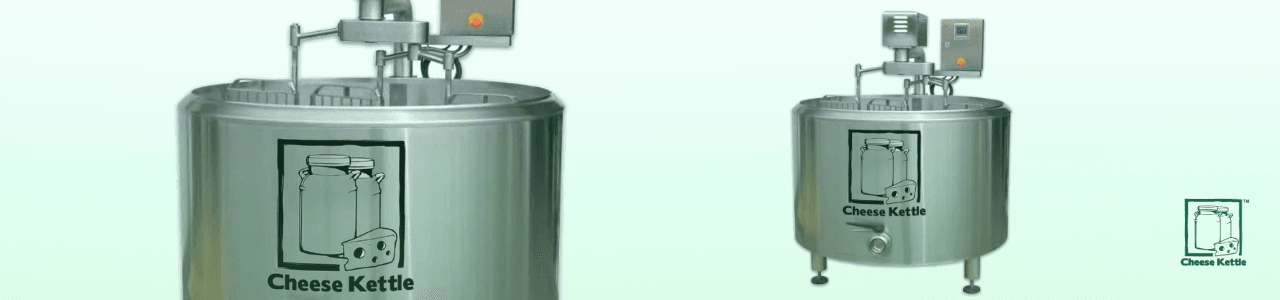
The 200 Ltr Cheese Making Kettle Vat is a practical centrepiece for small Australian dairies making cheese. It provides a controlled environment for pasteurized milk, rennet, and culture to form curds, with gentle agitation and even heating. This helps you produce curds that behave predictably during stretching, which is essential when you want a forgiving method that still delivers consistent results.
In a Queso Oaxaca setup, this kettle can serve as both curd kettle and heated water-bath. After the curds have reached the right acidity and are cut and drained to the desired moisture, you can refill the kettle with hot water or a mix of water and whey and switch over to stretching mode. Its precise temperature control helps curd fibres form evenly without tearing, especially when water depth stays consistent and the bath temperature is checked at several points in the kettle before loading curd.
How Do You Integrate Kettle and Stretching Station Workflow?
A well-planned stretching station treats the 200 Ltr Cheese Making Kettle Vat as the heart of the process, with simple paths for curd and staff. The workflow moves from milk intake and pasteurization to curd formation, then to draining, stretching, shaping, and finally cooling or brining. Each step should move in one direction, so staff do not cross paths with hot vessels or trays.
Start by using the kettle to pasteurize milk and set it with rennet and culture. Once curds are formed and cut, let them rest in whey until they reach the target acidity and texture, then lift them into a draining tray or moulds before returning them to the kettle in stretching mode. This close setup helps maintain warmth, reduces waiting, and supports a smoother transition from fresh curds to long ribbons, balls, or braids.
What Are the Core Elements of a Queso Oaxaca Stretching Station?
A Queso Oaxaca stretching station built around the 200 Ltr cheese kettle includes a controlled bath, a comfortable work surface, and simple tools for handling curds. The kettle acts as the heated bath, while a nearby bench offers space for rolling, folding, and forming balls. Additional containers hold cooled cheese, brine, and finished product ready for packing or storing.
Because Queso Oaxaca is usually sold fresh, with a white colour and a mild, creamy flavour, you need tools that support the process without getting in the way. Ladles, strainers, and cutting tools help move curds from bath to bench, while bowls of salted water or brine help cool and season the cheese quickly. This keeps the method tidy, practical, and easy to repeat from batch to batch.
How Should You Configure the Water or Whey Bath in The Kettle?
When using the kettle as a stretching bath, water level and temperature control are your main tools. Fill the kettle with hot water or a mix of water and whey to a depth that fully covers the curd portions you plan to stretch and keep that depth consistent between batches. This helps your method stay predictable and reduces local variation that can affect smaller batches.
Use the kettle’s controls to bring the bath up gently and avoid sudden spikes. Before loading curd, stir or circulate the bath lightly and confirm the temperature at several points in the kettle, not just one spot. If you want a simpler cleaning routine, water is often the easiest choice, while whey or a mixed bath can bring extra flavour for producers who want a more traditional result.
What Ergonomic Principles Should Guide Your Stretching Station Layout?
Using the 200 Ltr kettle as the bath means staff work close to a large, heated vessel, so the layout needs to support safe movement and comfortable handling. Set the kettle and adjacent tables at heights that let operators see into the bath and lift curds without bending too far forward. This is especially helpful during longer production days when repetitive reaching can become tiring.
Provide non-slip flooring around the kettle and clear drainage to manage spilled hot water or whey. Keep benches, moulds, and tools within easy reach so staff can move from kettle to table in one or two steps. This reduces strain and helps the station feel calm and organised rather than crowded or rushed.
How Can You Manage Hot Water and Energy Efficiently When the Kettle Is the Bath?
Using the 200 Ltr kettle as a combined curd kettle and stretching bath can be efficient when the day is planned well. You can pasteurize milk and form curds first, then drain and hold curds while you switch the kettle over to hot water mode. Once filled, the same controls that protected your milk can maintain a steady bath for stretching.
To save energy, avoid leaving the kettle full of hot water for long periods without curd. Heat the bath close to the time you plan to stretch and use the kettle’s insulation and controls to hold a steady temperature rather than cycling too high or too low. This protects curd texture and helps reduce wasted power and water.
How Do You Ensure Food Safety and Cleanability When the Kettle Is Both Vat and Bath?
Because the 200 Ltr kettle does more than one job, food safety depends on simple and disciplined cleaning routines. After stretching, drain the bath completely, then wash and rinse all surfaces that touched water, whey, or cheese. This prevents residues from building up and keeps the kettle ready for the next cheese making session.
Separate raw milk handling from stretching steps in your written procedures, even though they share the same equipment. This helps staff remember when the kettle holds milk and when it holds hot water or whey, and it supports a clear flow from raw ingredients to ready-to-pack food. Simple records of cleaning, temperatures, and test results will help you protect both product quality and team consistency.

How Do You Scale a Queso Oaxaca Stretching Station Based on the 200 Ltr Kettle?
When your stretching station centres on the 200 Ltr Cheese Making Kettle Vat, scaling starts with planning around that vessel. You can begin with one kettle and a modest bench, then add a second kettle, extra draining tables, or larger brine tanks as demand grows. The key is to keep the workflow clear and avoid crowding the area around the main kettle.
As production increases, you might schedule certain days for Queso Oaxaca and others for mozzarella or related cheeses. This helps protect each cheese’s recipe, texture, and flavour while making the weekly routine easier for staff to follow. With a clear plan, the station can grow from small family batches to a steady supply for local stores without losing the practical feel that made it work in the first place.