

How to integrate a mascarpone line with your existing equipment does not change just because you also make desserts like tiramisu, cheesecake or sweet fillings; the same cream flow, valves and cleaning still matter. You can support everything from mascarpone cheese for bakery fillings to italian cream cheese style spreads and cream cheese style products if your line is simple, cleanable and set up for stable heat control. Below is a revised version of the article that naturally includes the requested terms while keeping language clear and practical.
Core Steps in a Mascarpone Line Using Existing Equipment
A reliable mascarpone line starts with cream from your separator, gentle pasteurisation, controlled holding and fast cooling before the product goes to filling, chilling or further recipes like tiramisu. The same flow can feed mascarpone cheese, a smoother italian cream cheese style product, or high fat content cream for creamy cheesecake filling and desserts. This lets you support both savoury dishes, like creamy risotto or pasta, and sweet dishes, like cake, bread spread with creamy mascarpone, or chilled desserts topped with fresh fruit.
Even though homemade mascarpone cheese recipes often mention whipping cream, fresh lemon juice or vinegar in a bowl at medium heat, your commercial production process must use controlled pasteurisation, safe holding and validated cleaning instead of home methods. You may still supply cream that bakers later mix with sugar, chocolate, vanilla or fruit, but your job is to deliver safe, smooth, thick, creamy product every time. That is why cream flow, food‑grade paths and predictable cooling in the refrigerator or fridge are more important than the exact recipe your customers follow.
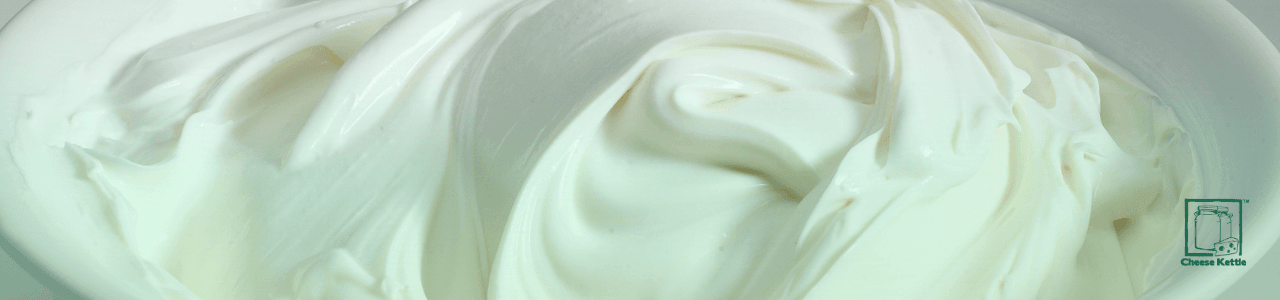
Designing Cream Flow Paths Through Pasteurisers and the Separator
Your cream flow should move in a clear path from separator outlet, through pasteurisation and holding, and then to cooling, before it is pumped to storage or packaging. The 200 Ltr Milk Pasteurizer can pasteurise milk before separation, while the 100 Ltr Milk Pasteuriser with Chiller is well suited for cream pasteurisation and holding, especially when you are making high fat content cream intended for mascarpone cheese or italian cream cheese style spreads. Using these two units together keeps the mixture of milk and cream organised and gives you flexibility for different product types.
Some smaller makers think of homemade mascarpone, where they heat whipping cream, stir in fresh lemon juice or a little citric acid, then strain through cheese cloth and refrigerate. In a commercial plant you achieve similar thick, soft texture without relying on lemon or vinegar additions, using temperature control and holding instead. Well‑designed cream flow also makes it easier to recover whey or liquid residues, so you are not wasting valuable dairy fat.
Using the 100 Ltr and 200 Ltr Pasteurisers Together in a Mascarpone Line
The 200 Ltr Milk Pasteurizer is ideal for pasteurising milk ahead of the cream separator, supporting higher volumes and a more stable feed for mascarpone production. Once you have cream at the right fat level, you can route it into the 100 Ltr Milk Pasteuriser with Chiller for gentle heating, controlled holding at set temperature and then cooling. This approach protects creamy richness and helps avoid issues like churning or over‑thickening that can affect taste and texture in mascarpone.
Because the 100 Ltr unit has integrated chilling, it allows you to cool cream quickly before it moves to storage in the fridge, refrigerator or a chilled tank. That is important when you plan to use the cream in products like creamy mascarpone fillings, italian desserts from northern italy or lombardy region recipes, or as a smooth spread on bread at breakfast. You are not making a home recipe in a pan, but you still need to respect that mascarpone is a soft, high fat dairy dish that must be handled carefully.

Integrating a Double Pipe Heat Exchanger for Mascarpone
The Double Pipe Heat Exchanger can sit in your cream line to pre‑heat or cool cream in a continuous way without harsh shear. It is especially useful when you want to save energy by recovering heat between hot and cold streams while still keeping a smooth, creamy product. This supports a stable production process where cream temperature changes are gentle, which is important for products that will end up as a filling, spread or dessert topping.
Think of the double pipe unit as a way to get cream close to your target temperature before it enters the pasteuriser or chiller. Instead of heating cream quickly in a small pan like a home cook using a candy thermometer, you move it steadily through a controlled path. You can still check temperatures, review recipe settings on your control panel and adjust medium heat or higher heat steps, but the process stays simple for operators.

Planning Valve Layouts and Change‑Over Points
Valves let you choose where cream and milk go, so you want the layout to be clear and easy to follow. Keep valve groups small and close to each key item, such as the separator, each pasteuriser and the double pipe unit, so operators know which handle moves which mixture. Good labelling helps staff see whether cream is going to the mascarpone line, another cheese line like ricotta, or to cleaning.
Avoid complicated loops that leave pockets of liquid cream or whey stuck in place, as these increase cleaning time and can affect taste. In a plant that makes mascarpone cheese as well as other cheese types, clear valve positions reduce the chance of sending a sweet cream mixture into a savoury dish or vice versa. Simple design also makes it easier to train new people who may come from backgrounds where they think about bowls, spoons and home recipes rather than pipework.
Mapping Cream Flow Paths for Pasteurisation, Holding and Cooling
Start your cream flow map at the separator cream outlet, then clearly mark each step where you heat, hold, cool and transfer product. For example, cream can move from the separator into the 100 Ltr pasteuriser, get heated to the target temperature, held for the required time, then cooled and moved to a chilled tank or to the filling line. Another path might send cream through the Double Pipe Heat Exchanger before or after the pasteuriser to fine‑tune the temperature profile.
As you draw this out, note where you would stir or mix cream if you need a more even distribution, and where you might add ingredients in downstream processes, such as sugar, chocolate, vanilla or fruit for desserts. Your plant may not add lemon juice, vinegar or egg, but your bakery customers might turn your mascarpone into tiramisu or panettone fillings. Make sure each path is fully drainable so that you can remove all liquid before cleaning, which is especially important in high fat dairy lines.
Cleaning and CIP Strategy for High Fat Mascarpone Lines
High fat products leave more deposits on hot surfaces, so you need a thoughtful cleaning strategy. Plan CIP cycles that cover both pasteurisers and the Double Pipe Heat Exchanger, using flows and times that can remove fat and sugar residues without damaging equipment. You might not think about saturated fat in nutritional terms while you clean, but you do need to think about how that fat behaves on hot metal and in pipes.
Good cleaning reduces the risk of off taste in mascarpone cheese or other cheeses that share equipment. It also helps keep heat transfer stable so your cream heats and cools as expected every time. Make sure operators understand the difference between rinsing a bowl after a home recipe and running a validated CIP cycle that reaches every part of the production line.
Keeping Heat Transfer Stable and Protecting Cream Quality
As deposits build up on heating surfaces, they slow down heat transfer and can cause hot spots or uneven temperatures. Regular cleaning and simple inspection routines prevent this, helping you keep gentle heat conditions that protect cream structure. Stable temperature control supports a smooth, thick texture and a clean, sweet taste in mascarpone and similar products.
You do not need to rely on tools like a hand‑held candy thermometer if your sensors and controls are accurate and well maintained. Instead, watch for changes in how long a batch takes to reach setpoint or cool down, which can indicate fouling. By catching these signs early, you can adjust cleaning frequency before quality issues show up in finished cheese or desserts.

How CheeseKettle Equipment Supports Scalable Mascarpone Production
The 100 Ltr Milk Pasteuriser with Chiller, 200 Ltr Milk Pasteurizer and Double Pipe Heat Exchanger give you a flexible base for mascarpone lines that can also support other cheese and cream products. You can use them to prepare cream for mascarpone, italian cream cheese style spreads, or high fat fillings that go into cheesecake, cake layers or chilled desserts. The same line can also serve savoury dishes, such as creamy risotto or pasta sauces, if you schedule and clean correctly between products.
Because these units are built for dairy applications, they suit production of soft, smooth, spoonable products where mouthfeel matters. When your mascarpone leaves the plant, it may be used with bread at breakfast, as a spread with chocolate and fruit, or as a filling in panettone and other italian or australia‑inspired dishes. Your job is to make sure it is safe, consistent and ready to refrigerate or cool immediately, whatever recipe your customer chooses.
Conclusion
Integrating a mascarpone line into your existing pasteuriser and cream separator setup is mainly about planning clear cream paths, sensible valve layouts and strong cleaning routines. With careful use of the 100 Ltr and 200 Ltr pasteurisers and the Double Pipe Heat Exchanger, you can produce smooth, creamy mascarpone and related products without major changes to your plant. This gives you room to serve both dessert makers and cheese makers using the same core equipment.
Your next step is to sketch your cream and milk routes, mark where you will pasteurise, hold and cool, and then confirm how you will clean every path. Once that is in place, you can refine setpoints and test batches until you are happy with texture and taste. From there, scaling up becomes a matter of scheduling rather than redesigning the whole line.