

Configuring small cheese kettles for premium buffalo milk starts with slow, gentle agitation and carefully controlled heating ramps so the higher fat stays emulsified, and you avoid scorching on the jacket. With the right kettle settings, you can achieve clean, even coagulation and consistent curd structure, whether you work on a small farm or a growing dairy business in Australia.
Buffalo milk typically carries more fat and higher protein content than cow’s milk, with plenty of calcium, which is excellent for cheese yield but more prone to burning and creaming if heated too hard or stirred too fast. This rich, almost velvety liquid is ideal for full‑flavoured curd, but it needs thoughtful control at every step of the process to protect quality and taste. Our aim is to help Australian farmers configure their kettles, so every serving of cheese reflects the care and skill that went into it.
How Does Buffalo Milk Behave Differently in Small Cheese Kettles?
Compared with cows or goats, buffalo milk is denser, creamier and richer in total solids, which means it moves more slowly through the kettle and transfers heat less evenly. That higher fat and protein can give you excellent yield and texture, but they also make the milk more likely to form a burnt film on the jacket surface if the heating is aggressive.
Because full cream buffalo milk carries more casein and minerals, it naturally forms a firm gel, which is ideal when making stretchy or semi‑soft cheeses. At the same time, the stronger buffering slows acid development, so you need more gentle, stepwise heating to get clean coagulation without a tough or brittle curd.

Why Do Agitation Speed and Pattern Matter So Much?
In small cheese kettles, agitation is your main tool for keeping water and solids moving together so the entire mass heats evenly. For fresh buffalo milk with higher solids, slower agitator speeds help protect fat globules and avoid churning while maintaining a smooth, even motion in the vat.
Fast or harsh stirring can break down fat, upset the surface of the forming gel and lead to uneven curd pieces. Gentle, continuous or pulsed agitation keeps the milk rich but uniform, supports reliable heat transfer, and lays the foundation for a clean cut once rennet has done its work.
How Should You Set Heating Curves and Ramps?
For fresh and full cream buffalo milk, use slow, steady heating so the jacket never gets far ahead of the bulk milk. Many cheesemakers use small steps of one to two degrees at a time, allowing the milk to stabilise at each stage before moving to the next setpoint.
Because buffalo milk can have almost twice the fat of cow’s milk, stepped heating ramps are a simple way to keep the fat emulsified and prevent burning or uneven cooking. Plan your process so temperatures increase smoothly, with more time at lower and middle ranges rather than sharp jumps that stress the milk.
How Can The 200 Ltr Cheese Making Kettle Vat Help?
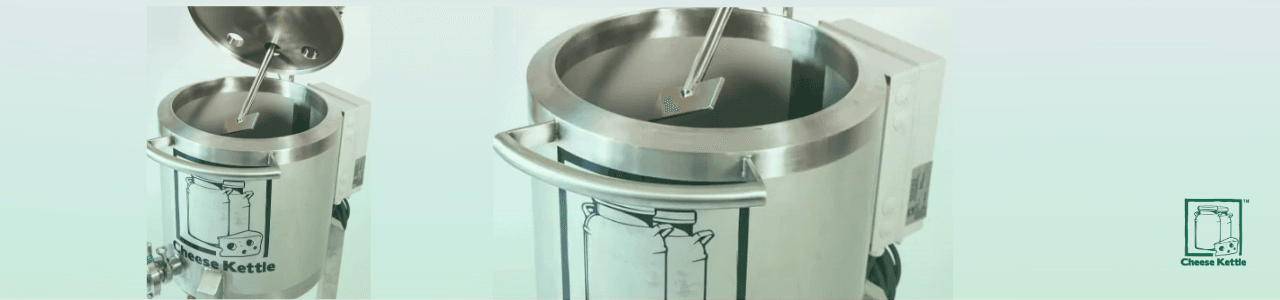
The 200 Ltr Cheese Making Kettle Vat is designed for even, jacketed heating, which is particularly useful when working with rich buffalo milk that is more likely to scorch. Its precise controls let you set gentle temperature ramps and hold points, so you can fine‑tune heating curves for different cheese styles.
Built from food‑grade stainless steel, this kettle suits medium‑scale dairy operations and farms that want repeatable results without over‑complicating the setup. You can pair controlled heating with gentle agitation, which helps keep the fat in suspension and supports clean, even coagulation.

Where Does The 240V Single Phase Cheese Vat Fit In?
The 240V Single Phase Cheese Vat suits cheesemakers who do not have three‑phase power but still want professional control. Running on standard supply makes it a practical product for regional farmers and family business owners across Australia.
This vat mirrors the essential features of larger kettles, including controlled, even heating and gentle agitation. It is ideal for small‑batch work with fresh buffalo milk, trialling new recipes, or exploring local water buffalo herds, whether you are near a hub like Maleny buffalo country or on another regional site.
What Are Practical Setup Steps for Clean, Even Coagulation?
Start by deciding what style of cheese you are making and what results you want in terms of moisture, texture and taste. Then map your temperature targets and time points, choosing slower heating rates than you might use for cow’s milk, especially with premium buffalo milk.
Dial in gentle agitation, using low speeds and avoiding turbulence around the setting phase. Record each batch, noting how fresh the milk was, how it was produced and delivered, and whether there were any signs of scorching or curd weakness, then adjust in small steps so you steadily move towards the perfect setup.
Confirm milk type, from fresh buffalo milk to blends with cow’s milk.
Plan stepped heating curves with slow, even ramps.
Set low agitation speed and adjust around renneting.
Watch curd firmness, cut quality and jacket cleanliness.
Log settings and outcomes so people on your team can repeat success.
Configuring your small cheese kettles this way helps ensure the rich qualities of buffalo milk shine through in every batch you make and enjoy.