
Designing a stretched-curd workstation for provolone cheese in a compact Australian make room is about practical temperature control, smart layout, and gentle handling of the curd so every batch has a reliable taste and texture. Using your 200 Ltr Cheese Making Kettle Vat as a hot‑water bath gives you stable, adjustable water temperatures for stretching provolone, helping you avoid common texture issues whether you are aiming for a milder style or a slightly nutty, sharper finish.
For many artisan makers working with cow’s milk, goat milk or mixed milk in small facilities, floor space and power supply are just as important as recipes, especially when you want to offer cheese that people can eat sliced, melted or as part of a simple tasting plate. A versatile kettle that can cook curd one day and act as a hot‑water bath the next lets you explore different styles, from provolone dolce to provolone piccante, drawing on traditions from southern Italy, northwestern Italy and other countries in the European Union where provolone is produced.
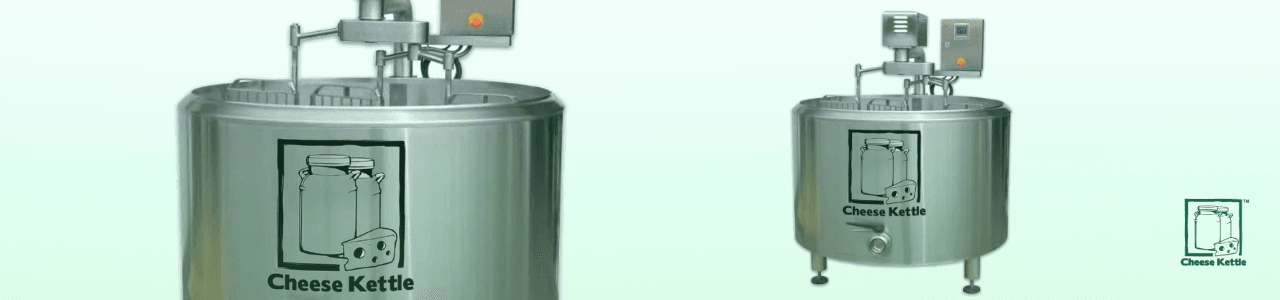
How Should You Use a 200 Ltr Kettle as a Provolone Water Bath?
The 200 Ltr Cheese Making Kettle Vat has a jacketed heating system and precise controls, making it well suited as a hot‑water bath for stretched curd. By filling it with water instead of milk, you can hold a steady bath temperature for stretching pasta filata styles such as provolone and mozzarella, helping you maintain a firm texture that still becomes smooth and slightly creamy when melted on sandwiches, pizzas or baked recipes like lasagna.
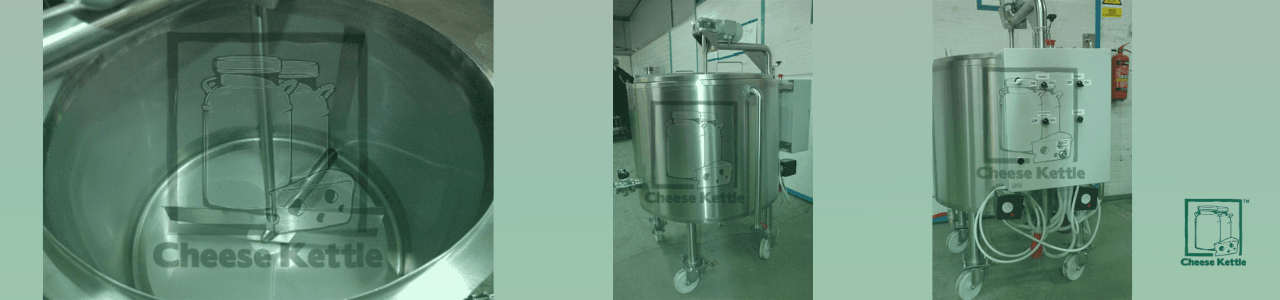
Set the thermostat a touch higher than your target stretch temperature, then check the curd core temperature with a probe instead of relying only on the display. Adjust the water fill level so the curd pieces are fully covered without risking overflow when you stir and use gentle agitation or manual stirring of the water to reduce hot and cold spots that can leave some pieces too firm while others go rubbery.
How Do You Lay Out a Stretched-Curd Workstation in a Compact Cheese Room?
In a tight room, it helps to plan how the cheese will move from milk to finished product. Place the kettle along a wall with good access on the working side, then position your stretching table so you can move hot stretched curd straight from the water bath to the table without crossing other tasks, and set a mould-handling area just downstream so cheeses can be placed in moulds, hung or moved to brine quickly.

Even in very small rooms, a basic linear or L‑shaped flow helps you manage several styles, including semi hard cheese options like provolone and other cheeses, without confusion. Near this area, allow space to wrap finished cheeses in parchment paper or suitable film so they are ready to store in a refrigerated room or display behind glass in your shop.
What Should Your Stretching Table and Mould-Handling Setup Look Like?
Your stretching table should support hot, elastic curd while draining whey quickly, without cooling the cheese too much. A stainless table with a shallow lip and drain suits most provolone production, whether you are aiming for milder table cheese styles or stronger, more aged shapes, and keeping this table for stretching work only makes it easier to manage hygiene.
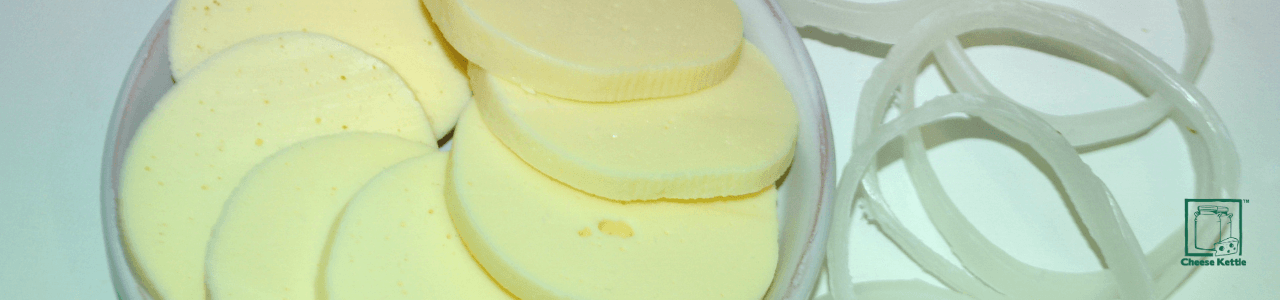
For mould-handling, choose moulds that suit the provolone style you are making, from smaller shapes for sliced table cheese to larger wheels inspired by traditional Italian types like provolone del monaco or provolone valpadana. You can explore piquant, more mature versions that rest for four months or longer, or milder styles that remain sweet and creamy, similar to provolone dolce, with consistent handling from stretch to mould supporting texture and flavour whether the cheese is served plain, sliced in a sandwich, or enjoyed with fruit, olives, crusty bread or hearty bread drizzled with olive oil, then wrapped and ready to store for service.