

Designing a small batch mascarpone line is a lot like planning your best homemade mascarpone recipe from scratch, only on a commercial scale. You still want that creamy texture, completely smooth mixture, and delicious soft taste, but now every step from milk and cream reception through packaging has to be consistent, safe, and easy for your team to run.
What Makes a Dedicated Small Batch Mascarpone Line Worth It?
A dedicated mascarpone line gives you control over high fat content, moisture, and texture smooth enough to spoon straight into desserts or use as a filling for cakes, bread, and chocolate treats. Instead of adjusting every batch by feel in a large bowl, you design a flow where temperature, time, and whey removal are repeatable, so each batch feels like a well-tested recipe rather than an experiment.
Because mascarpone is usually made from full fat cream or heavy cream, it behaves differently from ricotta or other fresh cheese styles. Getting the mixture to stay thick, smooth, and only softly sweet while still spreadable means you need precise control of heat, cool, and chilled storage, plus a layout that your operators can run without stress.

How Does the Mascarpone Production Process Flow from Milk Reception to Packing?
At a recipe level, mascarpone is often explained as whipping cream warmed over medium heat, combined with lemon juice or citric acid, then drained in cheese cloth until the liquid whey runs off and the mixture turns thick and smooth. In a small batch plant, you follow the same logic, but with food grade equipment instead of a bowl and spoon.
A simple line from reception to packaging usually goes like this:
Milk or cream reception and chilling
Standardising cream for your target fat and creamy texture
Pasteurising using gentle but reliable heat
Cooling to the right zone for acid addition
Adding citric acid or juice and holding for a few minutes
Allowing the curd to thicken and separate from whey
Draining, smoothing, and adjusting the mixture if needed
Cooling, packaging, and placing into the refrigerator
Just like when you let a homemade mascarpone mix cool completely in the fridge before making tiramisu, your line needs defined points where product is chilled, held, and then moved on. This stops over acidification and helps you avoid a grainy texture.
How Should Milk and Cream Reception Be Set Up for Mascarpone?
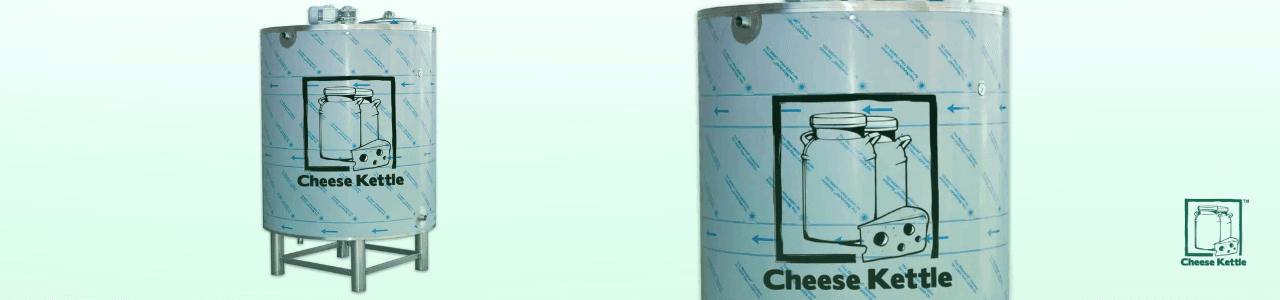
If you think of reception like the start of a super easy kitchen recipe, this is where you make sure your milk and cream are fresh and chilled before you even stir. On a small batch line, that means receiving cream or high fat milk in a controlled area, then moving it quickly into a 400 Ltr Stainless Steel Milk Tank that holds it cold.
A dedicated reception tank like the 400 Ltr Stainless Steel Milk Tank gives you space to standardise fat levels, especially if you also make products like cream cheese or ricotta and need flexible blends. Once your cream is in the tank, simple checks like temperature and basic nutritional information records become part of your routine, just like checking a recipe’s notes before you start.
Which Pasteurisation Setup Works Best for Small Batch Mascarpone?
On the stove at home, you might heat full fat cream over medium heat until it just starts to simmer, then hold it there for a few minutes before adding lemon juice. In a small batch plant, your pasteuriser does that same careful heat control for you.
A compact batch pasteuriser like the 100 Ltr Milk Pasteuriser with Chiller will let you run the production process gently but safely, with slower agitation to protect that future creamy texture. Think of it as the stainless-steel version of your large bowl and stovetop: it warms, holds, and then helps you cool the mixture back down, so you are ready for citric acid or lemon juice addition.
How Do You Manage Coagulation and Whey Separation for a Creamy Texture?
This is the heart of the process, the step that changes warmed cream into mascarpone cream. In recipe language, it is where you mix your warm cream with lemon juice, citric acid, or another gentle acid, then let it sit until it thickens and the whey starts to separate.
In a kettle or pasteuriser, you bring cream to the target heat, then stir in your acid in a steady, controlled way. After a short hold, the mixture becomes thick and softer than firm, with a creamy but not runny body. From there, you transfer it into draining forms lined with cheese cloth, or into another draining setup designed to let liquid whey run off while the curd slowly becomes denser.
What Layout and Equipment Help Keep the Flow Simple and Practical?
A good small batch layout often looks like a loop rather than a straight line. You move from reception to pasteuriser, to draining, to cooling, then to packaging, with each step close enough that operators can oversee more than one stage at once. Just as you would line up your bowl, spoon, and ingredients on the bench before you start a recipe, you want your tanks, kettles, and drains positioned for easy movement.
For example, you might run a 100 Ltr Milk Pasteuriser with Chiller for heating and acid addition, a compact draining area lined with cheese cloth, and a small, agitated kettle where you can gently mix the drained curd until it is completely smooth. From there, you can send the mixture directly to your filler and packaging station. A nearby fridge or refrigerator room lets you cool completely and refrigerate as soon as tubs are filled.
How Do You Build Hygiene and Cleaning into the Design?
Just like wiping your bench between recipes and washing your bowl and spoon before making the next dessert, your line needs cleaning built in from day one. Any surface that touches milk, cream, mascarpone cheese, or whey needs to be easy to wash, rinse, and dry, with no pockets that trap mixture and turn into a hygiene risk.
Designing for cleaning may mean choosing tanks with gentle internal curves, valves that fully drain, and lines that can be flushed between products. If you also make things like cream cheese, ricotta, or fresh pasta fillings, good cleaning design lets you switch between products without carrying flavours or residues from one batch to the next.
Equipment such as your 100 Ltr Milk Pasteuriser with Chiller and 400 Ltr Stainless Steel Milk Tank should be set up so that every product contact surface is accessible to your cleaning routine, whether that is a simple rinse and detergent cycle or a more formal clean in place sequence. This keeps the line practical for operators while protecting the taste, texture, and food safety of your mascarpone cheese and other products.

How Do You Size Batches and Match Them to Your Customers’ Needs?
Batch size is where production planning meets your favourite recipe notebook. Instead of “serves 8”, you are looking at how much mascarpone you need for a week of orders, from cafés making tiramisu, to bakeries layering mascarpone cream with fresh fruit or chocolate, to small makers blending it into pasta sauces with spinach or lemons.
From there, you can work backwards from sales to batch size. If your customers mostly use 1 kg tubs for desserts, you might design a line that runs 50 to 150 kg per batch in your 100 Ltr Milk Pasteuriser with Chiller, giving you room for growth without forcing you into oversize equipment. The goal is to keep each batch manageable, with enough time to cool, mix, and refrigerate properly, rather than rushing through steps just to keep up.
How Should You Handle Cooling, Packing, and Storage?
In the kitchen, you might let a mixture cool completely in the fridge before folding it with vanilla, icing sugar, or fresh fruit for tiramisu or cakes. On a small batch line, cooling and storage follow the same idea, just on a larger scale and with more structure.
Once your drained mascarpone is completely smooth, you can gently mix in any vanilla extract, vanilla, or light sweetness if you produce flavoured versions, or keep it plain for filling and pasta sauces. From there, you move directly into your packaging step, filling into tubs or pails that can be stored properly in a chilled room, supported by buffer storage in your 400 Ltr Stainless Steel Milk Tank if needed upstream for cream. Finished tubs should be clearly labelled, stacked so air can circulate, and held in the refrigerator at stable temperatures.
How Do You Connect Product Design with Real World Recipes and Consumers?
Although this article focuses on process, it is helpful to keep the end use in mind: people are layering your mascarpone with fresh fruit, topping cakes, folding it into chocolate mousse, or using it in savoury pasta sauces with spinach and lemons. Many will be making tiramisu, where mascarpone cream is layered with coffee soaked bread or sponge.
Thinking like your customers helps you target a creamy, smooth, and lightly sweet style that works across both desserts and savoury dishes. You might choose to keep your main product unsweetened, letting home bakers add their own sugar, icing sugar, or vanilla in a large bowl, while you publish basic recipe suggestions and nutritional information so they can comment something or give required recipe ratings online with confidence. For customers who are lactose intolerant, you may explore future line extensions or simply provide clear labelling so they can make informed choices.

Conclusion
Designing a small batch mascarpone line from milk and cream reception through to packaging is a bit like scaling up a favourite homemade mascarpone recipe from a single bowl to a whole room of stainless-steel equipment. You still want that creamy texture, completely smooth body, and delicious gentle taste, but now every stage, from gentle heat and acid addition in your 100 Ltr Milk Pasteuriser with Chiller to draining, cooling, and storage supported by your 400 Ltr Stainless Steel Milk Tank, has to be planned so your team can repeat it reliably.
By thinking in familiar terms like lemon juice, citric acid, cheese cloth, and cool completely, and connecting each step to how people actually use mascarpone cheese in desserts, pasta sauces, and layered cakes, you can build a line that serves real world recipes as well as business needs. With the right batch sizes, flow, and cleaning design, you set yourself up for a process that feels as practical and “super easy” to run as a well-tested recipe, while delivering consistently smooth mascarpone that your customers can trust every time they open the fridge.