

Selecting the right cheese kettle for small-batch mozzarella and looking after it well makes it easier to create a smooth, stretchy and satisfying cheese every time. Mozzarella is a fresh cheese that is usually eaten within a short time, so your equipment has to protect the milky flavor and texture from the very first step. When the pot, process and maintenance work together, you can move confidently from raw milk to finished balls of creamy cheese that are ideal for salads, pasta or pizza.
For Australian makers, this matters whether the goal is fresh mozzarella, bocconcini or even small runs of buffalo mozzarella as a premium product. Good kettles help you handle milk gently, control how curds are heated and stretched, and keep every surface clean so nothing unwanted is left behind between batches.
Why Do Cheese Kettles Matter for Small-Batch Mozzarella?
Cheese kettles are purpose-built pots that heat and hold milk so you can form curds for mozzarella with control and repeatability. Unlike basic cookware you would use for a simple dish at home, these kettles are designed to make it easy to keep temperature steady and avoid hot spots that might stick or scorch. That stability matters for both fresh mozzarella and buffalo mozzarella, where a clean, mild flavor and smooth stretch are essential.
In small-batch production, the kettle is where milk is brought up to temperature, rennet is added and the curds are cut and gently moved. If this step is uneven or rushed, the mozzarella can become tough, low in moisture or prone to breaking when you slice or stretch it. With the right kettle, you protect yield, reduce waste that you might otherwise throw away, and keep more of the creamy cheese character in the final product.

What Capacity and Configuration Suit Small-Batch Mozzarella?
Most small-batch mozzarella makers work between about 50 and 200 litres per batch, which is a practical size when selling through local stores, markets or direct orders. A 50 litre setup suits a starter producer testing mozzarella recipes or buffalo milk variations, while a 200 Ltr Cheese Making Kettle Vat matches a growing business that needs more quantity without jumping into very large equipment. This kind of cheese kettle often lets you run other fresh cheeses too, so the same pot can be used for bocconcini, pasta filata styles and even other creamy cheese recipes.
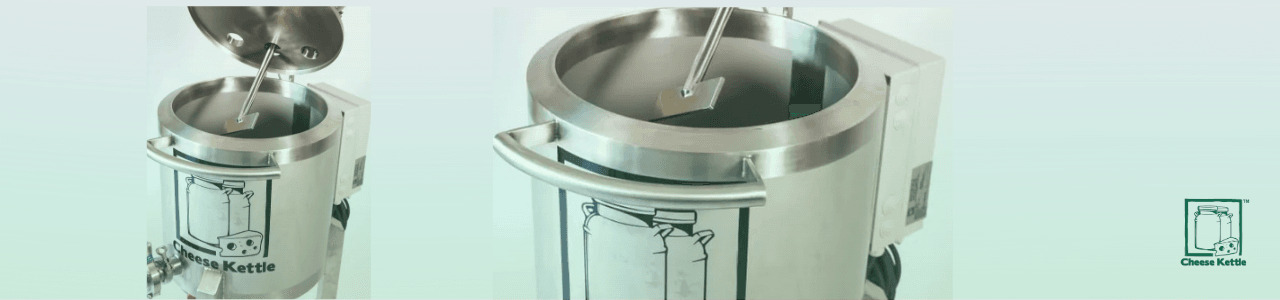
CheeseKettle’s 200 Ltr Cheese Making Kettle Vat is built from stainless steel with a jacketed heating system and agitation, so you can keep milk evenly heated while protecting the delicate curds. Makers who only have standard power can work with a 240V Single Phase Cheese Vat, avoiding the need for three-phase power upgrades in older buildings or rural sheds. Together with smaller tools, you can scale from short trial runs up to regular, ready-to-sell mozzarella while keeping the method familiar.
How Does Temperature Control Affect Mozzarella Quality?
Mozzarella quality depends strongly on how the milk and curds are heated and held during the process. You bring the milk to a set point for adding rennet, hold it for the right number of minutes, then cut and heat the curds to prepare them for stretching. If the temperature is too low at key moments, the curds may not set well; if too high, the cheese can lose its soft, milky flavor and become rubbery.
A jacketed cheese kettle makes it easier to keep water or steam around the pot at a controlled level, rather than relying on direct heat from a stove. This reduces the risk of scorching on the bottom of the pot and helps keep the curds moving evenly as they are gently stirred. When it comes time to stretch mozzarella in hot water, strong control over earlier steps means the curds will respond predictably and form smooth balls instead of rough lumps.

Which Materials and Design Features Support Sanitation?
Stainless steel is the standard for cheese kettles because it is smooth, durable and easier to clean than many other materials. A well-made kettle has rounded corners, clean welds and a finish that does not trap bits of curd or dried milk in tiny gaps. This matters for fresh mozzarella, which is often sold to be eaten within days, because any residue left in the pot can affect the next batch’s flavor or shelf life.
Design also affects how quickly the kettle can be rinsed, washed and drained once the cheese is out. A sloped bottom and a well-placed outlet let whey and wash water run out fully without leaving pools. When the kettle is easy to clean and dry, it is simpler to keep up with daily routines, especially if you are running more than one batch each day.
How Do CheeseKettle Products Fit Small-Batch Mozzarella Workflows?
The 200 Ltr Cheese Making Kettle Vat is suited for makers who want to produce more than a basic home pot allows but still keep things hands-on. It has agitation, controlled heating and a food-grade stainless form that supports repeated daily use. You can use it for standard cow’s milk mozzarella, buffalo milk runs or mixed schedules that include other fresh cheeses, as long as cleaning and process notes are followed carefully.
Where three-phase power is not available, the 240V Single Phase Cheese Vat lets producers work within common power limits found in many Australian sheds and small factories. For very small quantities or test batches, the 50 Ltr Pasteurizer for Milk can handle the heating step before curds are formed in a separate vessel. Together, these products allow you to build a line that can supply local supermarkets, food stores or direct online orders without losing the handmade touch.
What Are Best Practices for Daily Cleaning and Sanitation?
Daily cleaning starts as soon as the last curds and whey are removed from the kettle. First, a warm water rinse helps remove loose bits of cheese, so they do not dry and stick. Then a food-safe detergent wash, followed by a clear water rinse and a final sanitising step, keeps surfaces ready for the next batch.
It is important not to leave strong cleaners or sanitisers in contact with stainless steel for longer than recommended, because that can wear down the surface over time. Soft brushes, cloths or plastic scrapers should be used instead of harsh pads that scratch. With a clear checklist, every person on the team can follow the same method so nothing is skipped on busy days.
How Should Preventive Maintenance Be Scheduled?
Preventive maintenance keeps the kettle working reliably and helps avoid failures in the middle of a mozzarella run. Some tasks can be done weekly or monthly, such as checking gaskets for wear, looking for drips around seals and confirming that the temperature display still matches a trusted thermometer. If something is found early, it can often be repaired at a lower cost before it turns into a larger problem.
Other checks are better scheduled every few months or once or twice a year, depending on how often the kettle is used. These might include having a technician look over the heating system, jacket water level or electrical connections. Keeping simple notes on what was done and when, including any replacement of parts, makes it easier to show that equipment is cared for and that the process meets local rules and expectations.
How Can Mozzarella Process Parameters Be Tuned Around Your Kettle?
The kettle sits at the heart of two ways mozzarella is often made: from pasteurised milk and from raw milk where local law allows. In both cases, it is vital to control time, temperature and pH from the moment rennet is added until the curds are ready to be stretched in hot water. If timing or heating are off, you may end up with curds that will not stretch well, or cheese that does not hold its form when sliced.
As you gain experience, you can record your chosen method for different products, such as fresh cow’s milk mozzarella, richer buffalo mozzarella or smaller bocconcini balls for salads with olives and prosciutto. Each may use slightly different temperature points or holding times, but the same kettle can support them when controlled carefully. Over time, these notes become a guide for new staff and a way to keep results consistent across weeks and months.

What Pitfalls Should Small Producers Avoid?
One common pitfall is choosing a kettle that is too small for the kind of production you want to achieve. When the pot is crowded, it is harder to cut curds evenly, move them gently and maintain a steady heat, especially once you move beyond making a simple dish for one person at home. Another issue is using basic pots without jackets, which can leave some curds over-heated and others too cool.
It is also easy to overlook the importance of cleaning and maintenance when production volumes rise. If valves are not taken apart often enough, or if sanitiser is left on surfaces too long, residues can build up and affect flavor or food safety. By planning cleaning and maintenance as part of the process, rather than something to squeeze in at the end, producers can avoid problems that would otherwise force them to throw away product.
How Can CheeseKettle Support Your Next Step?
Australian cheesemakers need equipment that fits real spaces, power limits and production goals, not just a single ideal model. CheeseKettle offers the 200 Ltr Cheese Making Kettle Vat and 240V Single Phase Cheese Vat options that help small producers move from trials to steady production of mozzarella, bocconcini and other fresh cheeses. With the 50 Ltr Pasteurizer for Milk alongside, it becomes easier to run small test batches before committing to larger kg volumes or new mozzarella recipes.
Ready To Elevate Your Mozzarella Production? Contact CheeseKettle today about the 200 Ltr Cheese Making Kettle Vat or 240V Single Phase Cheese Vat to streamline small-batch mozzarella workflows and keep your cheese fresh, consistent and enjoyable for every person you serve.