
Making authentic Cotija cheese on a small scale is all about honoring tradition while making smart use of modern equipment, especially if you want that salty, crumbly texture and distinctive taste that make Cotija a star in Mexican cuisine. Whether you’re an artisan producer or a passionate home cheesemaker, getting the method right means paying close attention to both your ingredients and your tools.
The Challenge of Authentic Cotija Cheese Making
Cotija cheese isn’t just any cheese, it’s a crumbly, salty Mexican cheese with a strong flavor, loved for topping everything from street corn to tacos and enchiladas. But capturing that authentic taste and texture at home or in a small dairy isn’t easy. The process is slow, requires precise temperature control, and relies on the natural qualities of fresh cow’s milk. If you rush or cut corners, you’ll end up with something closer to feta or ricotta salata, pleasant, but not the real deal.
This guide will walk you through the keys to small-scale Cotija cheese production: the right equipment, the best ingredients, and the practical steps to bring authentic Mexican cheese to your table. By focusing on traditional methods and using purpose-built tools, you can produce Cotija that stands out for its crumbly texture, salty flavor, and authentic character, whether you enjoy it fresh or aged.
What Makes Cotija Cheese Special
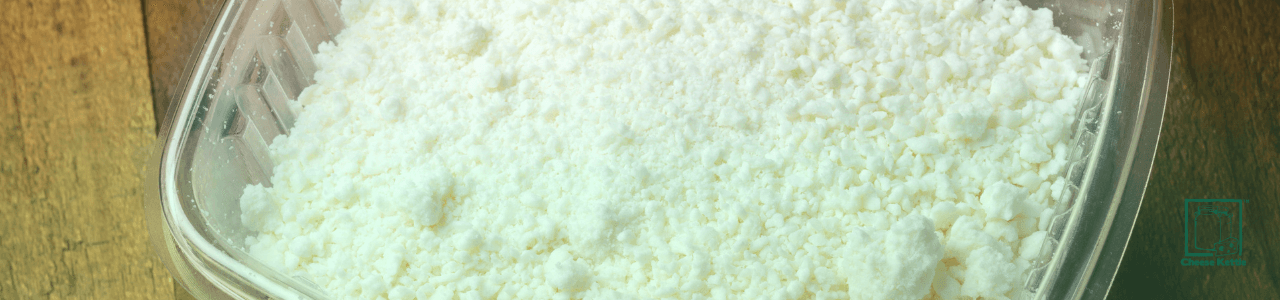
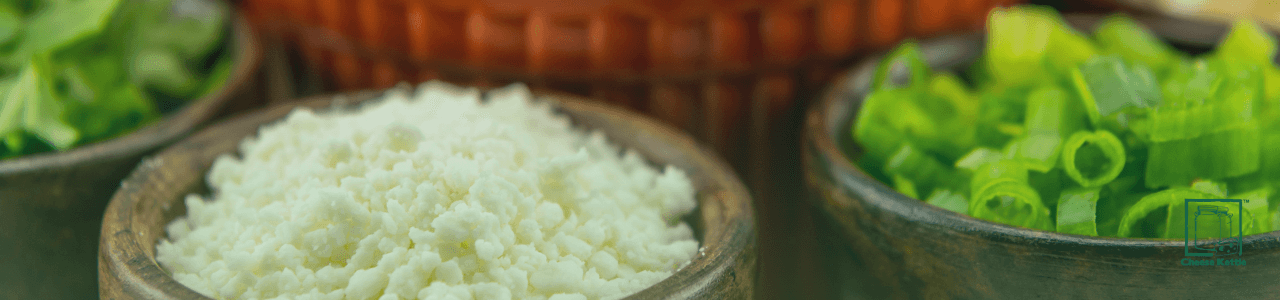
Cotija cheese, named after the town of Cotija in central Mexico, is a crumbly, salty cheese made from cow’s milk. Unlike queso fresco, which is soft and mild, or ricotta salata, which is drier, Cotija has a unique, strong flavor that becomes even more pronounced as it ages. Young Cotija, sometimes called cotija fresco, is milder and moister, while aged Cotija (cotija añejo) is dry, crumbly, and intensely salty, perfect for grating over dishes or crumbling as a garnish.
This popular Mexican cheese doesn’t melt easily, making it a favorite for sprinkling over grilled corn (elote), salads, beans, and all kinds of Mexican and Tex-Mex dishes. Its salty punch and crumbly texture are hard to imitate, which is why so many recipes call specifically for Cotija, not feta or Parmesan, its closest substitutes.
Traditional Methods for Authentic Results
To make Cotija cheese the traditional way, you start with very fresh cow’s milk, raw milk, if possible, used within a couple of hours of milking. The process is slow and hands-on, relying on natural bacteria in the milk rather than added cultures. After gently heating the milk to about 30–32°C, you add animal rennet and wait for the curds to form, a process that can take up to 80 minutes, much longer than most cheeses.
Once the curds are set, you cut them carefully, traditionally, only making vertical cuts at first, which allows the curds to sink and form a firm slab. This slab is left undisturbed for several hours, during which time the curds naturally acidify. This slow, gentle process is key to developing Cotija’s crumbly texture and distinctive taste.
After draining, the curds are broken into small pieces by hand, a step that helps control moisture and sets the stage for aging. Salt is added generously (more than in most cheeses), both for flavor and preservation. The cheese is then pressed for several days and aged, developing its characteristic strong, salty flavor and crumbly texture.
Essential Equipment for Small-Scale Cotija
Making authentic Cotija cheese at home or in a small dairy requires equipment that lets you control temperature precisely and handle curds with care. Here’s what you need:
Cheese Vats for Precise Temperature Control
Temperature is everything in Cotija cheese making. You need to keep the milk and curds at a steady 30–32°C for hours, without hot or cold spots. That’s where a good cheese vat comes in.
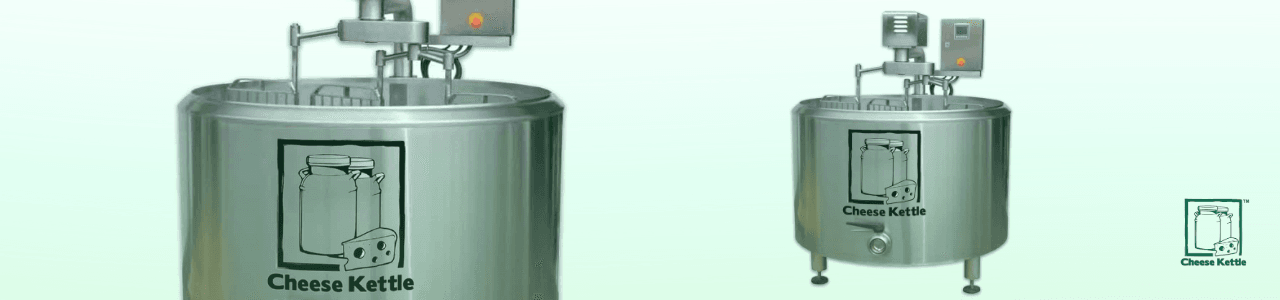
The 200 Ltr Cheese Making Kettle Vat is ideal for small to medium batches. It’s made from food-grade stainless steel, with a jacketed heating system that distributes heat evenly. Precise controls let you maintain the exact temperature needed for proper curd formation and acidification, without the risk of overheating or cooling too fast.
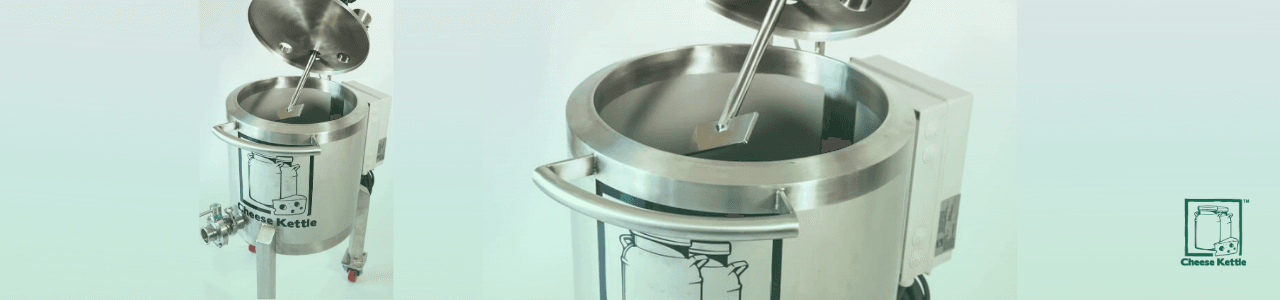
If you’re working in a home kitchen or a rural setting without three-phase power, the 240V Single Phase Cheese Vat is a great choice. It offers the same even heat and control but runs on a standard household electrical supply. This makes authentic Cotija cheese production possible almost anywhere in Australia, not just in big dairies.
Curd Cutting Tools for Consistent Texture
Getting the right curd size is crucial for Cotija’s crumbly texture. If curds are too large, the cheese won’t drain properly; if too small, it can become dry and hard.
The Cheese Harp is designed for this job. It cuts curds evenly into small, uniform pieces, just what you need for proper moisture retention and that classic crumbly texture. Its food-grade stainless steel construction is easy to clean and built to last, and it’s sized to fit your vat perfectly.
Managing the Process for Best Results
Cotija cheese making is a marathon, not a sprint. The process takes several days, with careful attention to temperature, timing, and handling at every stage.
Milk Quality and Handling
Start with the freshest cow’s milk you can find. Raw milk is traditional, but if you’re required to pasteurize, do it gently to preserve as much natural bacteria as possible. The quality and freshness of your milk will have a big impact on flavor and texture.
Temperature Control
Keep your milk and curds at 30–32°C throughout coagulation and settling. This gentle warmth encourages the natural bacteria to work, developing Cotija’s distinctive taste. A jacketed cheese vat is the best way to maintain this temperature over several hours without hot or cold spots.
Cutting and Salting
After coagulation, cut the curds gently with your Cheese Harp. Break them into small, even pieces to help with drainage and texture. Mix in plenty of salt—Cotija is famous for its salty flavor, and the salt also helps preserve the cheese during aging.
Pressing and Aging
Press your cheese for several days to remove excess moisture and develop the crumbly texture. Then, age it in a cool, humid place to let the flavors deepen. The aging process is what turns fresh Cotija into aged Cotija (cotija añejo), with its stronger taste and drier, crumblier texture.
Why Equipment Matters
Using the right equipment, like the 200 Ltr Cheese Making Kettle Vat, 240V Single Phase Cheese Vat, and Cheese Harp, makes all the difference in small-scale Cotija cheese production. These tools give you precise control over temperature and curd size, helping you achieve the authentic flavor, texture, and appearance that set Cotija apart from other crumbly cheeses like feta or Parmesan.
Bringing It All Together
Authentic Cotija cheese production on a small scale is all about respecting tradition, slow, careful processes, fresh ingredients, and hands-on attention, while using modern equipment to make the job easier and more consistent. By focusing on temperature control, curd handling, and quality ingredients, you can create this crumbly Mexican cheese that’s true to its roots: salty and packed with flavor. Unlike feta cheese, which has a softer, creamier texture, Cotija maintains its distinctive crumble even when heated.
That’s why so many cooks and chefs reach for crumbled cotija cheese when they want something that stands up to bold flavors in savory dishes. Whether it’s sprinkled over grilled corn with chili powder and lime juice, tossed into salads, or used as a garnish for soups and bean dishes, this cheese holds its shape and adds that characteristic salty punch.
The key difference between Cotija and other cheeses is how it breaks apart naturally into perfect crumbles without becoming mushy or melting completely. This makes it ideal for Mexican street food and traditional recipes where you want the cheese to maintain its texture while adding flavor to the dish.
Ready to Make Your Own Cotija Cheese?
If you’re serious about crafting authentic Cotija cheese, whether for your kitchen, your café, or your local market, having the right equipment is essential. The 200 Ltr Cheese Making Kettle Vat and 240V Single Phase Cheese Vat from CheeseKettle are designed to give you the temperature control and even heating you need for perfect results, batch after batch. And the Cheese Harp ensures your curds are cut just right for that signature crumbly texture.
Contact CheeseKettle today to learn more about how these tools can help you bring the taste of Mexico to your cheese making—and discover just how rewarding authentic Cotija cheese production can be.