
When making adapting equipment setup for small batch Brigadeiro in hot Australian climates, temperature control becomes the most critical factor determining whether your Brazilian sweets turn out as delicious treat or a sticky mess.
Why Hot Australian Climates Challenge Brigadeiro Production
Australia’s intense heat and humidity create conditions that interfere with every step of Brigadeiro making.
High ambient temperatures can soften butter unevenly, thicken condensed milk unpredictably, and cause unsweetened cocoa powder to clump, turning your chocolate Brigadeiro into an inconsistent dough instead of smooth Brazilian chocolate truffles.

Temperature Effects on Ingredients
Understanding how heat alters key ingredients helps you plan storage and mixing.
Butter softens at room temperature, but in 30°C kitchens it can turn greasy.
Sweetened condensed milk stored too warm changes viscosity, preventing the mixture from thickening.
Unsweetened cocoa powder absorbs moisture in humid air, forming lumps that resist integration with a wooden spoon.
Equipment Performance Under Heat
Standard pans and bowls struggle to maintain medium heat when kitchens exceed 27°C.
Cooking on medium-low in a thin saucepan risks hot spots that burn the bottom before the mixture thickens, while a heavy pan conducts heat unevenly, turning the candy into overcooked bits.
Essential Equipment Adaptations for Hot Weather Success
Practical gear upgrades keep temperatures consistent from ingredient storage to final roll.
Temperature-Controlled Ingredient Storage Solutions
Cold storage for butter, condensed milk, and cocoa powder ensures your mixture starts at the right temperature.
Invest in a small, refrigerated unit that holds 2–5°C so that unsweetened cocoa, butter, and sweetened condensed milk maintain optimal texture before cooking.
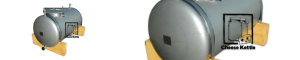
Mobile Milk Transport: Milk Taxi/Calf Feeding Transportable Tank
Keeping milk at a steady temperature during transit prevents quality loss before it even hits the pan.
The Milk Taxi’s integrated cooling system lets you source fresh milk from multiple locations without worrying about temperature swings that affect taste and texture.

Precision Cooking Tools
Accurate heat control and monitoring prevent scorch and overcooking in hot kitchens.
Use heavy-duty stainless steel pans on a medium-low flame, and stir with a wooden spoon while monitoring temperature with a digital thermometer until the mixture thickens to the right consistency for rolling into little balls.
Climate-Specific Temperature Control Strategies
Adapting for local conditions ensures Brigadeiro consistency across Australia’s varied zones.
Managing Humidity During Cooling Phases
High humidity can cause surface crystallization as Brigadeiro cools.
Cool finished balls in a dehumidified refrigerated space or an air-conditioned room at 20–22°C to prevent moisture absorption that makes sprinkles slide off.
Seasonal Production Adjustments
Timing your cooking around cooler parts of the day reduces equipment stress and improves results.
Schedule batches in the early morning or late evening when the kitchen is 5–10°C cooler, allowing the mixture to cook more predictably on medium heat.
Regional Equipment Considerations
Different regions demand different tactics for maintaining stable temperatures.
Coastal operations benefit from corrosion-resistant stainless-steel gear and dehumidifiers.
Inland desert areas may need shorter cooking times and slightly higher liquid ratios to counter rapid moisture loss.
Temperate zones require flexible setups that can shift between humid summers and cool winters.

Implementing Your Heat-Adapted Production System
A step-by-step integration of storage, transport, cooking, and monitoring guarantees consistent results.
Step 1: Ingredient Cold Chain Setup
Establish dedicated refrigerated storage for butter, sweetened condensed milk, and cocoa powder to eliminate room-temperature fluctuations.
Keep a small bowl of each ingredient chilled until just before mixing.
Step 2: Mobile Milk Management
Deploy the Milk Taxi/Calf Feeding Transportable Tank to maintain fresh milk at 4°C during transit.
Check the tank’s temperature display before unloading to ensure it stays within the safe range for brigadeiro recipe use.
Step 3: Precise Cooking Workflow
Heat your stainless steel pan on medium-low, adding condensed milk, butter, and unsweetened cocoa powder in the standard ratio.
Stir continuously with a wooden spoon, watching for the mixture to pull away from the pot into a soft dough—a sign it’s ready for cooling.
Step 4: Controlled Cooling and Rolling
Spoon the hot mixture into a greased dish and let it cool to room temperature in an air-conditioned space.
Once cool, form little balls, roll them in chocolate sprinkles or extra cocoa powder, and store in an airtight container to preserve texture.
Step 5: Monitoring and Quality Control
Use a digital log to record storage, cooking, and cooling temperatures for each batch.
Review patterns in the data to tweak cooking times or heat settings, ensuring every batch meets your family loves standards for texture and taste.
Conclusion
Adapting your Brigadeiro setup for Australia’s hot climates transforms environmental challenges into reliable production processes. By integrating refrigerated ingredient storage, the Milk Taxi/Calf Feeding Transportable Tank for mobile milk cooling, precise cooking tools, and climate-specific strategies, you can make Brigadeiros and Brazilian fudge balls that consistently delight Brazilian friends, family, and customers alike.

Ready to take your Brigadeiro production to the next level? Discover how the Milk Taxi/Calf Feeding Transportable Tank from CheeseKettle can maintain perfect milk temperature across all locations—contact CheeseKettle today to simplify your Brigadeiro process and ensure every batch is a delicious treat. Bom appetite!