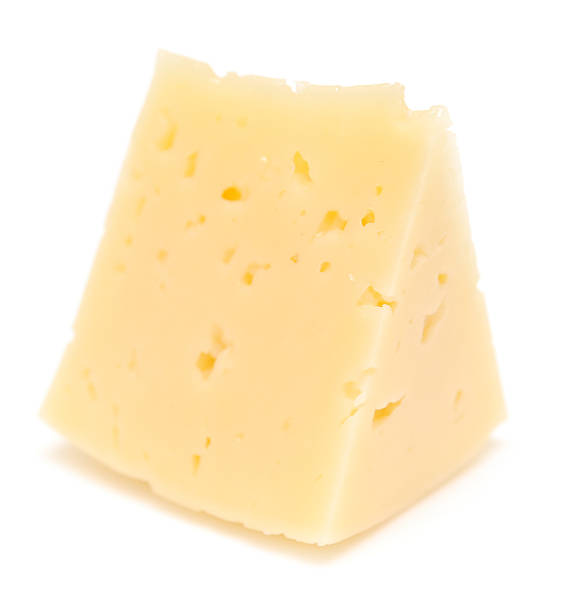
Making your own Derby cheese is a rewarding way to enjoy a classic semi hard cheese from England. Derby cheese is a mild, semi hard cheese made from cow’s milk, known for its slightly higher moisture content and softer body compared to cheddar. Its pale golden colour and subtle, buttery flavour make it a favourite for many. You can also create variations like Sage Derby, which features a subtle herb flavour from sage leaves, or a Port Wine Derby with a distinctive marbled appearance.
Understanding Derby Cheese
Derby cheese stands out for its soft, springy texture and mild taste. While it shares similarities with cheddar in many respects, Derby has a softer body and a slightly higher moisture content, resulting in a cheese that is easy to slice and enjoy. This cheese made from whole milk is perfect for those who appreciate a gentle, buttery flavour with a firmer yet still soft bite.
What You’ll Need
Ingredients
10 litres whole milk (avoid ultra-pasteurised milk)
1/8 teaspoon Bioprox M265 Mesophilic Culture
½ teaspoon calcium chloride (dissolved in ¼ cup non-chlorinated water)
½ teaspoon liquid rennet (diluted in ¼ cup non-chlorinated water)
2½ teaspoons cheese salt
Equipment
Large stainless steel pot
Thermometer
Spoon or ladle
Knife or curd cutter
Colander
Cheesecloth or butter muslin
Cheese hoops (recommended sizes: 200 x 150 mm, 155 x 75 mm, or 230 x 110 mm)
Draining mat
Cheese press
Step-by-Step Instructions
Before you begin, sterilise all equipment.
Heat the milk to 29°C in your pot.
Sprinkle the mesophilic culture over the milk. Let it rehydrate for 5 minutes, maintaining the temperature.
Stir gently for 1 minute to mix the culture into the milk.
Cover and allow the milk to ripen for 45 minutes, keeping the temperature steady.
Add the dissolved calcium chloride and stir gently.
Add the diluted rennet and stir in an up and down motion for another minute.
Cover and let the milk set for 60 minutes, or until you achieve a clean break in the curd.
Cut the curds into 1.5 cm cubes.
Cover and let the curds rest for 5 minutes.
Slowly heat the curds to 34°C over 50 minutes, increasing the temperature by 0.5°C every 10 minutes. Stir occasionally to keep the curds from sticking together.
Once at 34°C, keep the temperature steady and stir for 10 minutes.
Remove from heat and let the curds settle for 10 minutes.
Line a colander with cheesecloth or butter muslin and transfer the curd mass.
Allow to drain for 2 minutes.
Bundle the curds in the cloth, return to the pot, and press firmly by hand.
Heat the curd mass at 34°C for 15 minutes. More whey will drain off.
Return the curds to the colander and press by hand to remove excess whey.
Turn, drain, and let the curds rest for 15 minutes. Repeat this process four times.
Place the curds on a board and cut into 4 cm blocks.
Return the curds to the pot and break them into quarter-sized pieces with your fingers.
Add the cheese salt and mix thoroughly.
Line a cheese hoop with cheesecloth and fill with the curds.
Press at 11 kg for 30 minutes.
Turn the cheese and press at 22 kg for 3 hours.
Turn again and press at 22 kg for 12 hours.
Air-dry the cheese for 2–3 days, turning it twice daily.
Wax or vacuum-seal the cheese. Mature for 1–3 months at 13°C, turning weekly.
Derby Cheese Variations
Sage Derby
To make Sage Derby, finely chop fresh sage leaves and steep them in boiling water until cool. For a brighter green, you can add spinach juice to the sage water. Add this mixture to the curds before salting to give the cheese a subtle herb flavour and green marbling. Let the curds soak for 15 minutes, then drain and continue with the standard pressing and aging steps. This creates a cheese with a gentle sage flavour and a unique appearance.
Port Wine Derby
For Port Wine Derby, soak the curds in port wine after cutting them into blocks. Allow the curds to soak for up to an hour, then drain, salt, and continue with pressing and aging. This method gives the cheese a ruby marbled look and a distinct taste.
Serving Suggestions
Derby cheese pairs well with fresh fruits, crackers, and bread. Its mild flavour and soft, springy texture make it a versatile addition to any cheese board.
Conclusion
Making Derby cheese at home is straightforward with the right ingredients and equipment. Whether you prefer the classic version or a variation like Sage Derby with its subtle herb flavour, you’ll enjoy a semi hard cheese that’s perfect for sharing.
Ready to Start Cheesemaking?
We offer a range of cheese hoops, presses, and curd handling tools to help you make Derby cheese and its variations at home. Discover our premium cheese kettles designed for efficient and consistent cheese production-visit our products page to view the full range of equipment.