
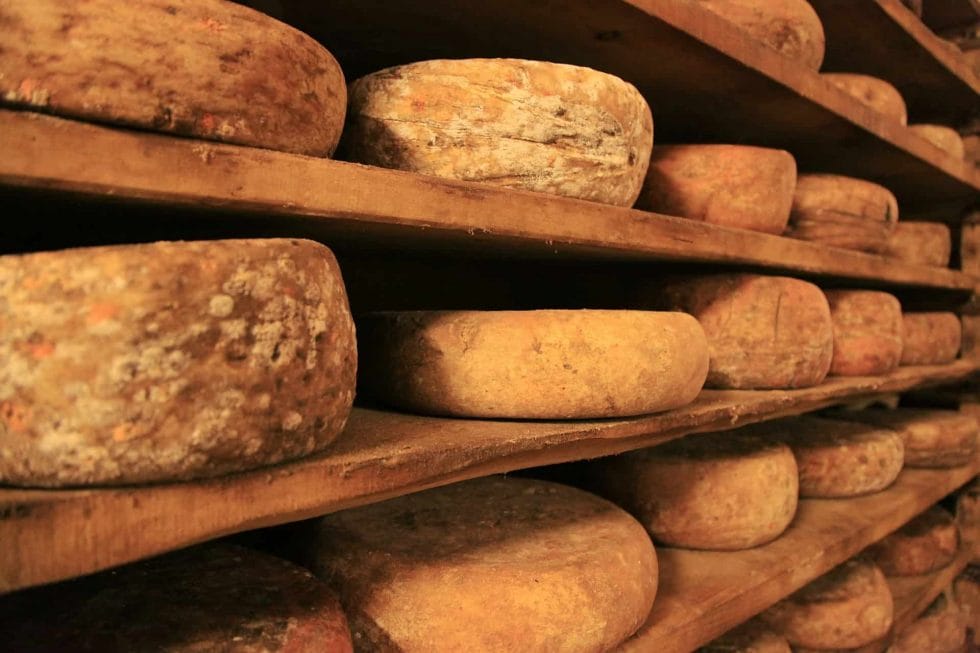
Cheese has a rich history that spans thousands of years, connecting people across continents and generations. For anyone who enjoys cheese, knowing how this ancient food came to be—and how it continues to evolve—adds a new layer of appreciation. Today, cheese making is both a time-honoured tradition and a thriving industry, with a place in homes, artisan workshops, and large cheese factories alike.
How Cheese Making Began
The history of cheese dates back to a time when people first needed practical ways of storing milk. Early dairy farmers, possibly in regions like the Middle East and northern Europe, discovered cheese accidentally when milk stored in animal stomachs curdled naturally. This process, using the natural enzymes found in the stomach lining, transformed fresh milk into curdled milk, which could then be pressed and salted for preservation.
Archaeological finds, such as clay sieves in Poland and Croatia, show that cheese making techniques were being used over 7,000 years ago. These early tools helped separate curds from whey, a crucial step in the cheese making process. Ancient communities likely produced cheese to extend the shelf life of milk, especially in hot climates where fresh milk would spoil quickly. Hard, salted cheeses were an ideal solution for storing milk safely.
Cheese Through the Ages
As cheese making spread, different regions developed their own styles. In Europe’s cooler climate, less salt was needed, leading to the creation of cheeses that could be eaten fresh or aged for complex flavours. The Roman Empire played a key role in spreading cheese making knowledge, and by the Middle Ages, cheese production had become an important part of daily life in many cultures.
Historical records, like the Sumerian cuneiform texts and the Linear B tablets from Crete, show that cheese was valued in ancient societies. Most cheeses from these times were probably similar to today’s feta or other brined cheeses. Over time, new varieties emerged, including blue cheese and Swiss cheese, as people experimented with different milk sources, aging processes, and storage methods.
The Evolution of Cheese Production
Cheese making continued to evolve, moving from small-scale, farmstead cheese factories to larger operations as consumer demand grew. The rise of the cheese industry brought about both artisanal cheese and factory made cheese. While some cheeses are still crafted by hand using traditional methods, others are produced in modern cheese factories using advanced equipment and pure microbial cultures for consistency.
Today, the cheese industry includes everything from goats milk cheese and blue veined cheeses to process cheese and American cheese. Many cheeses are still made using raw milk, while others use pasteurised milk for safety and uniformity. The variety of cheese foods available reflects the creativity and skill of cheese makers throughout history.
Cheese Making Today: Tradition Meets Innovation
Modern cheese making blends time-tested techniques with new technology. At Cheese Kettle, we support both artisanal cheesemaking and larger-scale cheese production with equipment designed for every step, from milk storage to curd cutting and pressing. Our cheese vats, pasteurizers, and curd handling tools help ensure that whether you’re making natural cheese at home or producing cheeses in a commercial setting, you have the tools you need for quality results.
Conclusion: Carrying Cheese’s Rich History Forward
Cheese started as a simple way to preserve milk but has grown into a diverse and beloved part of our diets. Whether enjoyed fresh or aged, made in small batches or on an industrial scale, cheese connects us to a long tradition of creativity and resourcefulness.
Discover More with Cheese Kettle
Cheese Kettle offers a full range of equipment and expertise for everyone interested in cheese making—whether you’re just starting out or looking to grow your cheese factory. Explore our website for more information, tips, and tools to help you create cheeses that honour both tradition and innovation.