
Stretching and shaping provolone cheese safely in a small dairy comes down to steady control of milk, curd, temperature, and timing. When these are managed well, you get a semi hard cheese with a smooth texture, clean flavor, and reliable quality that suits both mild provolone dolce and stronger provolone piccante styles. For artisan makers, this matters because every batch needs to be safe to eat, easy to slice, and ready for customers who enjoy provolone on crusty bread, in sandwiches, on pizza, or as a snack with a glass of wine.
What Makes Provolone Stretching Different from Other Cheeses?
Provolone is a classic Italian stretched curd cheese that sits between mozzarella and firmer table cheeses in both taste and texture. It belongs to the pasta filata family, where curd is heated and pulled so it becomes elastic and can be formed into different shapes and sizes.
Unlike some other cheeses, provolone is plasticised in hot water so the curd can be gently stretched, folded, and shaped into cylinders, pears, or more traditional forms used in southern Italy, northern Italy, and northwestern Italy. This stretching gives provolone its smooth, even body and allows it to be sliced, melted, or served plain in many recipes.
How Should Small Australian Dairies Manage Milk and Curd Preparation?
Safe stretching starts with good milk handling and controlled curd making. You want milk of consistent quality, clear time and temperature steps, and a starter culture process you can repeat, whether you make a mild version for everyday sandwiches or a stronger style for cheese boards.
Most small dairies pasteurise milk, cool it to the setting temperature, then add starter cultures and rennet or enzyme to form a clean, firm curd. Once set, the curd is cut into small pieces to help whey drain, then rested and stirred so acidity builds at a steady rate and lays the foundation for proper stretching.
Practical Preparation Tips:
Standardise milk quality and keep it refrigerated before use, so you start with a stable base.
Use measured starter culture doses and note times so you can repeat the same acidity curve from batch to batch.
Cut curd evenly to help it lose whey at a predictable rate and build the right texture for later stretching and shaping.
What Are the Key pH and Temperature Targets for Reliable Stretching?
To stretch well, the pasta filata curd needs to reach an acidity and temperature where it softens and flows without breaking apart. If the curd is too fresh and sweet it will not stretch, while if it is overly acid it will become crumbly instead of smooth and elastic.
In practice, you watch the pH and the way the curd behaves in hot water, aiming for a point where a small cut piece can be pulled into a smooth, shiny strand. At the same time, the stretching water needs to be hot enough to soften the curd quickly while still being safe for operators to work near, with gloves and tools that protect hands and arms.
How Can You Stretch Provolone Curd Safely at Small Scale?
In small‑scale Australian dairies, stretching is often done by hand or with simple tools rather than large industrial machines. You place cut curd into hot water, wait for it to soften, then fold, pull, and stretch it until it forms a shiny, flexible mass with a fine, layered texture.
The aim is to get a smooth and even curd that can be shaped without tearing, while keeping operators safe from hot water and keeping the cheese protected from contamination. Comfortable workflow design, non‑slip floors, and good access to clean water all help you stretch curd safely and consistently.
How Should You Shape, Salt, and Cool Provolone to Protect Quality and Taste?
Once the curd is well stretched, you move quickly into shaping so the cheese sets into the form you want. Provolone can be shaped into rounded logs, pear shapes, or more traditional styles such as the forms used for provolone del monaco and other regional versions in Italy and across the European Union.
At this stage the curd is still hot, so you shape it by hand or with simple molds, then place it into cool water and later into brine so salt moves into the cheese and the surface begins to firm. The way you cool and salt the cheese has a big impact on taste, texture, and how the cheese performs when sliced, melted, or served at the table.
Points to Focus on During Shaping and Cooling:
Shape cheeses to standard sizes so cooling, salting, and aging times are consistent across each batch.
Use clean cooling water and well‑maintained brine, checking salt levels and temperature so the cheese is evenly covered and not left at warm temperatures.
Once brined, store cheeses refrigerated or in your chosen aging room, depending on whether you are aiming for a milder table cheese or a stronger aged product.
What Food Safety Basics Matter Most During Stretching and Shaping?
Stretching and shaping are open‑handling steps, so they sit at the heart of your food safety plan. You are working with warm curd, hot water, operators, tools, and surfaces, so good hygiene, simple records, and clear limits for time and temperature are essential.
Your plan should describe what could go wrong, how you prevent it, and what you do if limits are not met. This includes how you clean equipment, how often you check thermometers, how you protect the cheese from foreign objects, and how you manage staff behaviour around the product.

How Does Equipment Choice Support Safe Stretching and Shaping?
Well‑designed stainless‑steel equipment makes it easier to control your process and keep everything clean. Good vats help you manage milk heating and curd formation, while purpose‑built curd handling tools reduce rough treatment that can damage the curd before the stretched curd stage.
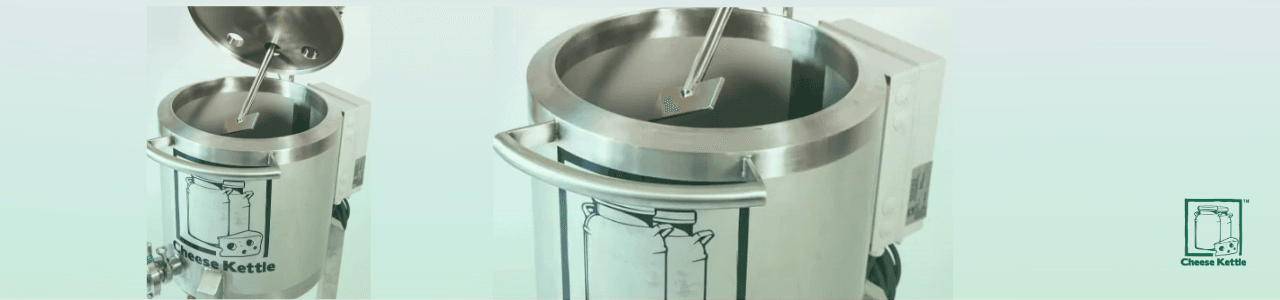
The 200 Ltr Cheese Making Kettle Vat offers jacketed heating, agitation, and precise temperature control, so you can form curd with even texture and reliable rest times. For dairies that only have standard single‑phase power, the 240V Single Phase Cheese Vat supports careful milk handling and curd making without needing three‑phase supply.
How Can You Align Your Provolone Process with Real‑World Use and Customer Expectations?
When you think about stretching and shaping provolone, it helps to picture where the cheese ends up. Some customers want sliced provolone to layer into sandwiches with sausage, olives, and herbs, others want a cheese that melts gently over pasta or pizza, and some want a sharper, aged cheese for a simple table snack.
Provolone dolce, eaten younger, tends to be mild and slightly sweet, with a smooth, plain surface and an easy slice that sits well on crusty bread or mixed into everyday recipes. Provolone piccante, aged longer, builds stronger aromas and a sharper, more piquant flavor that matches well with wine, cured meats, and simple pasta dishes where the cheese can stand out.
Linking Process to Final Use:
For milder versions aimed at slicing and melting, keep the texture smooth and the salt level balanced so the cheese melts cleanly without becoming oily.
For aged versions, manage storage time and conditions so you develop the right nutty notes and firmer body without over‑drying the rind.
Think about how the cheese will be cut, served, and stored in people’s homes, and aim for sizes and forms that are easy to handle and enjoy.
How Can CheeseKettle Help You Scale and Stay Practical?
As you grow, you may want to move from mostly hand‑stretching to a more structured process that still keeps the artisan feel. A clear process, fit‑for‑purpose equipment, and good records help you make provolone that feels just as at home on a family table in Australia as it does in the city streets of northern Italy or in homes across America.
CheeseKettle equipment supports small dairies that want to refine their process without losing touch with traditional Italian origins. You can start with practical tools such as vats, harps, and brine tanks, then add other products as your range expands and you find new ways to use your milk and curd across different versions of pasta filata and other semi hard cheeses.
Ready to refine your provolone stretching and shaping process? Contact CheeseKettle today about the 200 Ltr Cheese Making Kettle Vat and the 240V Single Phase Cheese Vat to build a safe, consistent workflow that supports both everyday and aged provolone cheese.