

Mozzarella cooling and brining protect the smooth, soft cheese made during the stretching stage. A clear workflow helps fresh mozzarella, bocconcini and mozzarella cheese blocks keep their shape, mild milky flavour, even salt level and expected shelf life after they are packed. This stage matters whether you make small balls for salads with basil, olives and cherry tomatoes, slices for bread and pasta, or low-moisture cheese for pizza, lasagne and other baked dishes. Good curd and a good stretch can be lost if the cheese stays warm too long, enters poor-quality brine or is packaged before the centre has cooled.
Cooling After Stretching Protects Mozzarella Shape and Texture
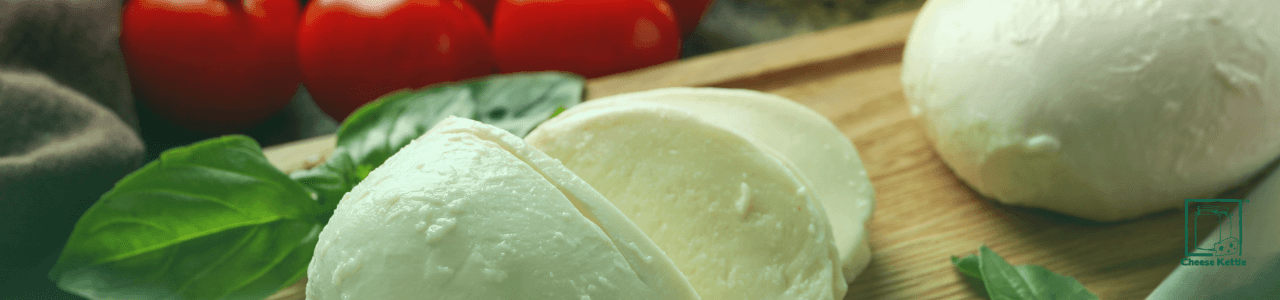
Cooling gives hot mozzarella time to become a stable solid mass without losing its smooth surface. After the curd is kneaded and formed, the outside needs to firm before the cheese is handled, drained, packed or moved through a brine tank. Without prompt cooling, balls can flatten, join together or develop a rough texture. The centre can also stay warm while the outside looks ready, which can affect storage quality, pack condition and the way mozzarella melts when customers cook it.
A Controlled Workflow Keeps Cooling and Brining Consistent
The most reliable method is a simple sequence: form the warm cheese, cool it enough to hold its shape, place it in cold brine for the required time, drain it carefully, then pack and store it cold. Each stage needs a written target for temperature, time, salt and handling so staff are not relying only on feel or appearance. For Australian dairy businesses, food temperature control is an important part of safe production. Your food safety program should set the limits for your product, equipment, packing method, delivery time and storage conditions, then show what the team must do if a batch falls outside those limits.
Form The Mozzarella Promptly. Use the stretched curd while it is still workable to form balls, bocconcini, blocks or other required sizes.
Pre-Cool The Surface. Place the cheese in clean chilled water or another approved cooling liquid long enough for the outside to become firm.
Brine Under Control. Keep the cheese fully soaked in clean cold brine and allow space for liquid to move around each piece.
Check The Centre Temperature. Use a cleaned and sanitised probe to confirm the thickest piece has cooled to your release target.
Drain, Pack and Store Cold. Drain with clean equipment, pack promptly and move the packaged product into refrigerated storage.
Clean, Cold Brine Supports Even Salt and Surface Quality
A good brine is clean, cold and consistent. It should be made with approved water and food-grade salt, then checked before use so every batch receives the same conditions rather than a different mix of salt, temperature and liquid quality. Brine does more than add flavour. It helps cool mozzarella, affects the surface texture and controls how salt moves from the liquid into the cheese, so it must be managed like a key dairy ingredient rather than reused salt water.
A Clear Brine Tank Routine Supports Reliable Results
Write down how the brine is made, how much salt is added, who checks it and when it is changed. Record the batch number, the start and finish time, the temperature and any action taken when results are outside the approved range. The 500 Ltr Brine Tank is listed by CheeseKettle for salt-bath use in cheese production and is made from food-grade material designed to resist salt corrosion. It may suit producers that need a dedicated tank for a planned brining workflow, subject to confirming capacity, cleaning needs and process layout.

Milk, Curd and Stretch Set Up the Cooling Result
Cooling cannot correct problems created earlier in the make. The quality of the milk, the way it is heated, the rennet set, the curd cut, acid development, whey drainage and stretching all influence how mozzarella behaves once it reaches cold water and brine. Mozzarella made from cow’s milk is often called fior di latte, while mozzarella di bufala is traditionally made from water buffalo’s milk. Both are pasta-filata cheeses, meaning the curd is heated and worked until it becomes smooth and stretchable, but the recipe, milk composition, fat, calcium, moisture and final flavour can differ.
Some small-batch mozzarella recipes use citric acid or vinegar to help milk curdle quickly, while other recipes use a culture and rest period before stretching. Those methods can produce different curd behaviour, so producers should not assume a brining time that works for one recipe will work for every cheese. For example, if a batch feels smooth and elastic while warm but turns soft and weak in brine, review the complete process instead of only adding more salt. Check the milk, acid level, rennet set, curd temperature, time in hot water, kneading, whey drainage and brine condition before changing the recipe.
Fresh and Low-Moisture Mozzarella Need Different Controls
Fresh mozzarella is usually eaten soon after opening and is valued for a mild, milky taste, soft texture and moist centre. It can be served with tomatoes, basil and olives, added to salads, or placed on bread and other simple foods where the fresh cheese is the main flavour. Low-moisture mozzarella is commonly made for pizza, pasta, lasagne and baked dishes. It needs to slice, shred or grate cleanly, then melt and stretch in a controlled way when heated, so its cooling, brining and storage routine must be matched to that end use.
Product | Main Use | Cooling Focus | Brining Focus |
|---|---|---|---|
Fresh Mozzarella Balls | Salads, serving plates and simple mozzarella recipes | Set shape without making the cheese tough | Gentle, even salt and clean storage liquid |
Bocconcini | Salads, snacks and small servings | Fast cooling because pieces are small | Short, controlled salt uptake |
Fresh Mozzarella Slices | Bread, sandwiches and baked dishes | Keep slices smooth and intact | Avoid surface damage during handling |
Low-Moisture Mozzarella | Pizza, pasta and lasagne | Cool the centre before packing | Match salt level to melt, taste and storage needs |
Mozzarella Di Bufala | Serving plates, salads and Italian recipes | Protect a soft body and milky flavour | Match brine handling to the product recipe |

Cold Packing and Storage Help Protect Shelf Life
Shelf life begins with the first decision after stretching: how quickly and evenly the cheese is cooled, how clean the brine is and whether the product is packed cold. It continues through filling, sealing, labelling, storage, transport and display, so it requires checks beyond the make room. Do not set shelf life by appearance alone. A mozzarella ball may look smooth and fresh while a problem in temperature control, pack sealing, liquid quality or handling is already reducing the time it remains suitable for sale and serving.
Build A Shelf-Life Check Around These Points:
Cold Chain: Record cooler temperature from pack-out through storage and delivery.
Pack Quality: Check seals, lids, liquid level, swelling, leaks and condensation.
Product Temperature: Confirm cheese is cold before it is packed and stored.
Brine Or Pack Liquid: Check appearance, smell and clarity against the approved product standard.
Taste And Texture: Assess mild flavour, smooth surface, firmness and stretch at planned intervals.
Fresh cheese stored in liquid can change over a few hours or days if it is exposed to warmer conditions. The amount of liquid, salt and calcium in the pack, along with how well the pack is sealed, can influence whether the cheese remains soft and pleasant to eat. For pizza cheese, include a repeatable bake test in your shelf-life checks. Sprinkle the same weight over a standard pizza base, cook for the same time and temperature, then compare melt, stretch, browning, free fat and flavour across each test date.
Batch Records Make Quality Changes Easier to Find
Simple records make it easier to find the cause of a quality change before it affects more product. They also help new staff follow the same method as experienced cheesemakers, even when production volume changes or the business moves from a few small batches to regular commercial runs. Use a one-page batch sheet where possible. The sheet should be easy to complete while staff stir, scoop, drain and pack, with space for corrective actions rather than only pass or fail marks.

Consistent Cooling Protects Mozzarella Quality
Mozzarella stays at its best when cooling and brining are treated as part of cheese making, not as steps to rush after the curd has been stretched. A clean cold process protects the smooth form, soft texture, salt balance, milky flavour and storage quality that customers expect from fresh mozzarella or pizza cheese. Start by following one written method from hot curd to refrigerated storage. Measure the important points, including cooling water, brine, centre temperature and pack condition, then use the records to improve the next batch instead of guessing.
If you are planning a dedicated salt-bath set-up, contact CheeseKettle about the 500 Ltr Brine Tank. Discuss your batch size, cheese style, cleaning routine and workflow so the equipment suits how you make and pack mozzarella.