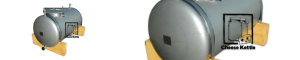

Selecting the right cheese vat is a key decision for any cheese maker, whether you’re just starting out or expanding your production. The right equipment affects not only the quality of your cheese but also your efficiency and overall costs. This guide explains what to consider when choosing a cheese vat, so you can make an informed choice and avoid common pitfalls.
Understanding Your Cheese Making Needs
Choosing a cheese vat starts with understanding the type of cheese you plan to make and the scale of your operation. Cheese vats come in a range of sizes, from compact Small Cheese Vats at 100 litres for small batches to larger 200 litres Cheese Vats, custom-made vats for commercial production. The best choice depends on your production goals and the specific cheeses you want to create, such as mozzarella, cheddar, or traditional cheese varieties.
Matching the Vat to Your Cheese Style
Different cheeses require different vat designs. For example, soft cheeses like feta and Camembert are typically made in smaller vats. This is because soft cheese curds need to be transferred to moulds quickly to maintain the right acidity and texture. Using a vat that’s too large can slow down this process, affecting the taste and moisture of your cheese. Smaller vats also allow you to run multiple batches in a day, making them more flexible and suitable for a small artisan cheese factory.
Key Features to Look For
Once you know your cheese style and production scale, focus on features that support consistent, high-quality results.
Considering Automation
Automation can simplify cheese making and help maintain product consistency. Automated cheese vats manage temperature and agitation, reducing the need for hands-on oversight. Many modern vats include a movable agitator and precise thermostat controls, which help you achieve the right temperature and curd formation every batch. However, automated systems require regular maintenance, so it’s important to work with a supplier who offers reliable support and servicing.
Choosing the Right Shape and Size
The shape of your vat also matters. Oval and double-O designs are preferred because they provide even heating and avoid cold spots, which can affect the final product’s acidity and flavor. Square vats may have cooler corners, leading to uneven curd development. When deciding on size, consider your current production needs and future growth. Starting with a moderate size allows you to experiment and scale up as your business grows, rather than investing in oversized equipment too soon.
Heating Options: Steam vs. Electricity
Cheese vats can be heated by steam or electricity. Electric vats, such as those with variable speed electrical heaters or electrical three phase heaters, are suitable for small to medium-scale operations and work well in locations without three-phase power. They’re ideal for batches up to 2,000 litres. Steam-heated vats are generally used for very large batches and require a higher upfront investment. Some vats feature two heating elements for better thermal energy distribution and energy saving, while insulated jackets help maintain consistent temperature.
Making a Decision
Not all cheese vats are the same. By considering the type of cheese you want to make, your production volume, the level of automation you need, and your preferred heating method, you can choose a vat that fits your needs and budget. This careful approach helps you avoid unnecessary expenses and reduces waste during production.
Conclusion
Selecting the right cheese vat is about matching your equipment to your cheese making goals. By focusing on the essentials-cheese type, vat size and shape, automation, and heating-you set your business up for efficient, consistent, and high-quality production. Discover our premium cheese kettles designed for efficient and consistent cheese production-visit our products page to view the full range of equipment.
Ready to Upgrade Your Cheese Making?
Cheese Kettle offers a range of cheese vats and kettles, including food-grade stainless steel models with precise temperature control, insulated jackets, and automation options.